Aug 21, 2026
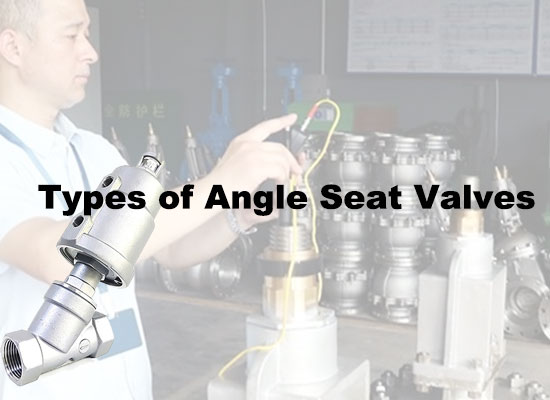
Angle seat valves are widely used in industrial fluid systems to control the flow of liquids, gases, steam, and other compatible media. They are available in different configurations to meet specific requirements for actuation, operating conditions, and installation environments.
Understanding the main types of angle seat valves helps engineers select suitable products for automation systems, process equipment, and industrial pipelines.
Angle seat valves can be operated through pneumatic, electric, or manual mechanisms.
Pneumatic angle seat valves use compressed air to drive a piston actuator, moving the valve stem and opening or closing the valve. They offer fast switching and are suitable for automated production lines, frequent operation, and industrial fluid control systems.
Electric angle seat valves use an electric actuator to operate the valve. They are suitable for installations where compressed air is unavailable or remote electrical control is preferred. Depending on the actuator design, they may support on/off or modulating control.
Manual angle seat valves are operated using a handwheel or lever. Their relatively simple construction makes them suitable for applications requiring occasional operation without an automated control system.
Pneumatic angle seat valves are commonly available in normally closed and normally open configurations.
● Normally Closed (NC): The valve remains closed when the actuator is not supplied with air. Compressed air moves the actuator to open the valve, while the spring returns it to the closed position when the air supply is removed.
● Normally Open (NO): The valve remains open without actuator air pressure. Supplying compressed air moves the valve toward the closed position.
The choice depends on the required system behavior when the control signal or air supply is lost. The actual fail position should always be confirmed from the manufacturer's specifications.
Angle seat valves can also be configured for different operating conditions.
These valves use suitable body materials, sealing components, and actuator configurations to withstand specified operating temperatures and pressures. They are commonly considered for steam systems, thermal equipment, and industrial process pipelines. The maximum working limits must be verified for each model.
Sanitary designs typically use corrosion-resistant stainless steel and hygienic internal surface finishes. They are used in food processing, pharmaceutical production, and biotechnology systems where cleanability and material compatibility are important. Actual hygiene compliance depends on the complete design, surface finish, seals, and applicable standards.
For hazardous locations, angle seat valves can be equipped with appropriately certified explosion-protected electrical components, such as solenoid valves, limit switches, or position indicators. Certification requirements depend on the hazardous-area classification and local regulations. An ordinary pneumatic valve should not be considered explosion-proof simply because it has no electrical actuator.
Different configurations serve different operating requirements:
| Requirement | Suitable Configuration |
| Fast automated switching | Pneumatic |
| Remote electrical operation | Electric |
| Occasional manual operation | Manual |
| Closed without control air | Normally Closed |
| Open without control air | Normally Open |
| Steam or high-temperature media | High-temperature configuration |
| Hygienic processing | Sanitary configuration |
| Hazardous locations | Certified explosion-protected assembly |
Before selecting an angle seat valve, check the medium, operating pressure, temperature, flow capacity, connection size, sealing material, and required fail position. For automated systems, also verify actuator air pressure, electrical control requirements, and switching frequency.
Selecting the correct configuration ensures that the valve matches the actual operating conditions and performs reliably throughout its service life.
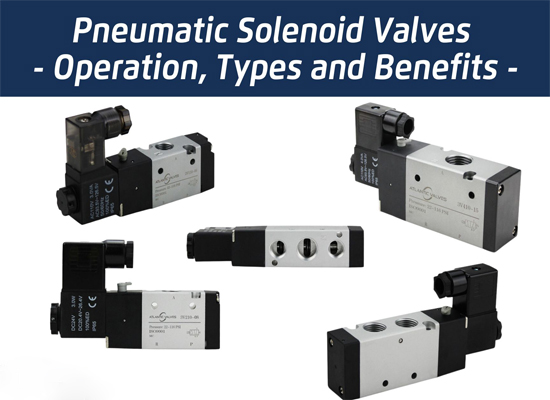 Pneumatic Solenoid Valves: Working Principles, Types and Applications
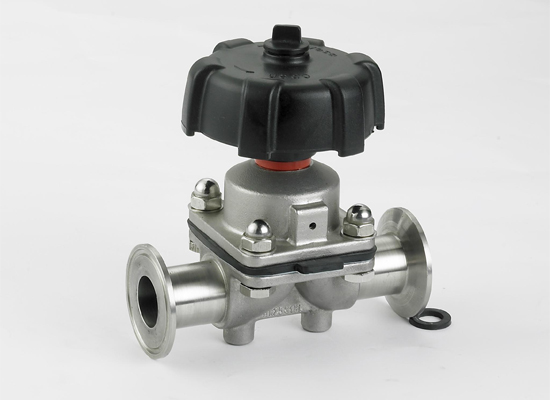 A Basic Guide to Diaphragm Valves: Features, Types and Applications
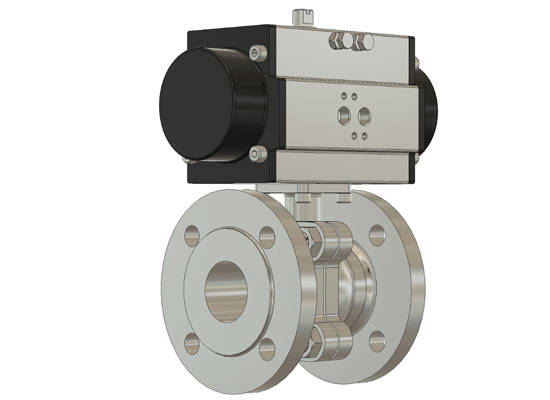 How Does a Pneumatic Ball Valve Operate? A Practical Guide
 Why Does Transparent PU Tubing Turn Yellow
 Comprehensive Analysis of Pneumatic Axial Flow Control Valves
You May Interest In

Dec 02, 2025 Blog
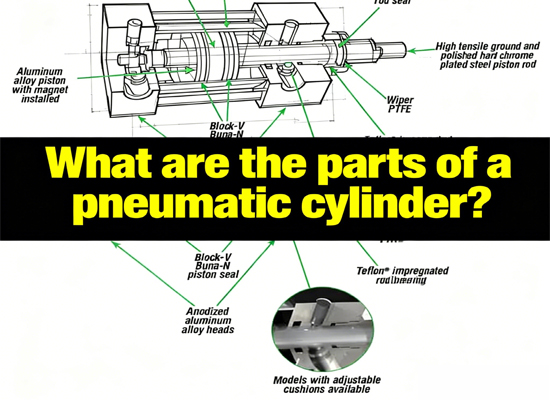
What are the parts of a pneumatic cylinder?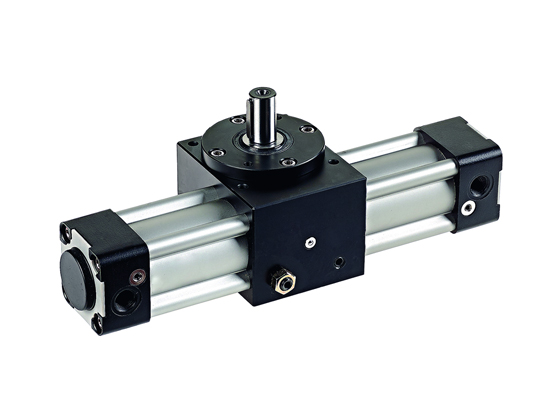

Apr 18, 2025 Blog
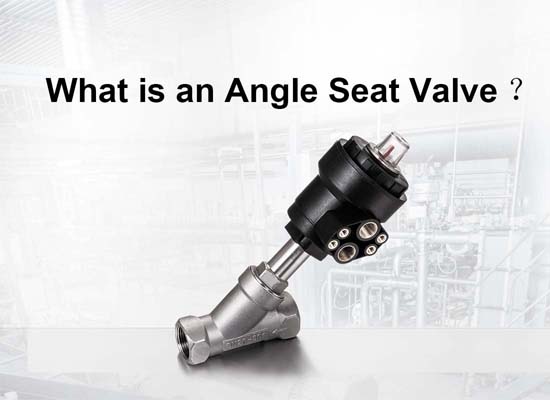
What is an Angle Seat Valve?
Get a free sample

Fokca is a brand of Ningbo Fokca Automation Co., Ltd.
Looking for custom pneumatic cylinder solutions? Visit our sister brand, Fescolo.→
© 2026 Ningbo Fokca Automation Co., Ltd. All rights reserved. Sitemap