Aug 26, 2026
Pneumatic ball valves are widely used in industrial automation systems where fluid or gas flow needs to be switched remotely. By combining a quarter-turn ball valve with a compressed-air actuator, they provide automated opening and closing without requiring an operator to turn a manual handle.
Their straightforward operating mechanism makes them suitable for production equipment, compressed-air systems, water treatment, and various industrial pipelines. Understanding how these valves operate, along with their maintenance requirements, helps prevent unexpected downtime and improves system reliability.
A pneumatic ball valve mainly consists of a valve body, a spherical ball with a bore, valve seats, a stem, and a pneumatic actuator.
The operating process involves two movements:
● Opening: Compressed air enters the actuator and generates torque through its internal piston or rack-and-pinion mechanism. This torque rotates the valve stem and connected ball. When the ball's bore aligns with the pipeline, the flow passage opens.
● Closing: The actuator rotates the ball back, typically through 90 degrees. The solid side of the ball faces the pipeline passage, blocking the flow.
● Most pneumatic ball valves use one of two actuator configurations:
● Double-acting actuator: Compressed air drives the actuator in both opening and closing directions. Air is alternately supplied to different chambers.
● Spring-return actuator: Compressed air drives the valve in one direction, while an internal spring returns it when air pressure is released. Depending on the assembly, the valve can be configured as normally closed or normally open.
A solenoid valve is often used to control the actuator's air supply. For automated systems, limit switches or position indicators can also provide open/closed feedback to a PLC or other control equipment.
Pneumatic ball valves offer several practical benefits in industrial applications.
● Fast quarter-turn operation: The 90-degree rotation allows quick switching, making these valves useful in automated production lines and frequently operated pipelines. Actual operating time depends on actuator size, air pressure, valve torque, and control accessories.
● Reliable shutoff: The ball and seat form the main sealing interface. Soft seats, such as PTFE, are commonly used for many general-purpose applications, while metal seats may be selected for specific demanding conditions. The appropriate sealing arrangement depends on pressure, temperature, and medium compatibility.
● Simple construction: Compared with some multi-component control valves, ball valves have a relatively straightforward internal structure. This can simplify inspection and replacement of common wear components.
● Remote automation: Pneumatic actuators can be connected to solenoid valves, PLCs, and position feedback devices, allowing centralized operation without direct manual intervention.
● Flexible configurations: Pneumatic ball valves are available in different body materials, connection sizes, port arrangements, and actuator types. Three-way versions can also be used to switch or divert flow between pipeline branches.
Regular maintenance helps identify wear, leakage, and actuator problems before they interrupt system operation.
● Check for leakage: Inspect the valve body, stem area, pipe connections, and actuator air connections. Distinguish process-medium leakage from compressed-air leakage.
● Inspect actuator operation: Confirm that the valve completes its full opening and closing travel without unusual noise, vibration, or delay.
● Maintain air quality: Check the compressed-air supply for excessive moisture, oil, and particles. Contaminated air can damage actuator seals and internal components.
● Examine seals and connections: Look for damaged seat seals, aged O-rings, loose fittings, and signs of corrosion.
● Test position feedback: If limit switches or sensors are installed, verify that their signals match the actual valve position.
● Follow lubrication instructions: Use only lubricants approved by the manufacturer. Do not apply grease indiscriminately to ball seats or sealing surfaces.
Before disassembling a valve or actuator, isolate the pipeline, release trapped pressure, and disconnect the air supply. Spring-return actuators may contain stored mechanical energy and should be handled according to the manufacturer's service instructions.
| Problem | Possible causes | Recommended checks |
| Valve will not open or close | Insufficient air pressure, blocked air line, actuator failure, excessive valve torque | Check air supply, solenoid valve, actuator, and valve condition |
| Medium leakage | Worn seats, damaged ball surface, incorrect installation, unsuitable materials | Inspect sealing surfaces and verify material compatibility |
| Slow operation | Restricted air supply, blocked exhaust, undersized tubing, incorrect flow control settings | Check air pressure, tubing, exhaust ports, and control settings |
| Frequent seal wear | Excessive switching cycles, abrasive particles, unsuitable seat material | Review operating conditions and select suitable sealing materials |
| Incorrect position feedback | Misaligned limit switch, loose wiring, sensor damage | Check switch alignment, electrical connections, and actual valve travel |
A valve that fails to move should not automatically be attributed to actuator damage. Mechanical blockage, pipeline pressure, incorrect actuator sizing, and solenoid valve faults can produce similar symptoms.
A standard pneumatic actuator requires compressed air for normal operation. Manual override may be available on certain models, but it is not universal. A manual override device or suitable backup arrangement must be specified when required.
Depending on body and seat materials, they can be used for compressed air, inert gases, water, oils, and certain chemical fluids. Steam and corrosive media require specific temperature, pressure, and material compatibility checks. Fluids containing solid particles may also accelerate seat and ball wear.
Common configurations include different nominal sizes, two-way and three-way flow paths, and various actuator arrangements. FOKCA offers pneumatic ball valve options in sizes such as 1/4, 1/2, and 1–3 inches, including VB23 and VB24 series models. Exact sizes, connections, and specifications should be confirmed against the product datasheets.
The correct valve should match the pipeline connection, medium, operating pressure, temperature, and required flow capacity. Actuator torque must also be sufficient to operate the valve under the actual differential pressure and service conditions.
For automated equipment, consider whether spring-return or double-acting operation is required, whether position feedback is necessary, and what failure position the system needs. Matching the valve, actuator, and control accessories as a complete assembly is essential for dependable operation.
 A Basic Guide to Diaphragm Valves: Features, Types and Applications
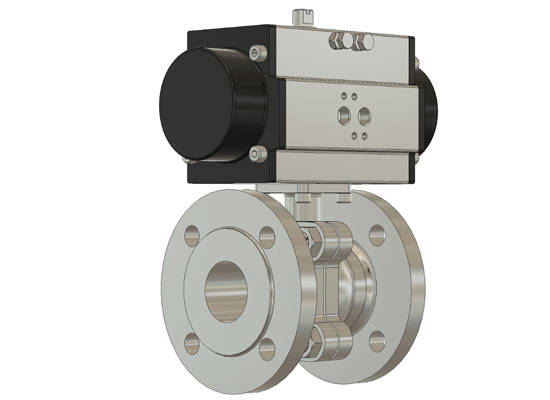 How Does a Pneumatic Ball Valve Operate? A Practical Guide
 Why Does Transparent PU Tubing Turn Yellow
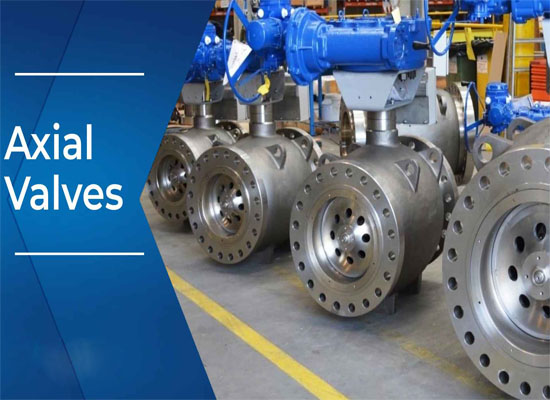 Comprehensive Analysis of Pneumatic Axial Flow Control Valves
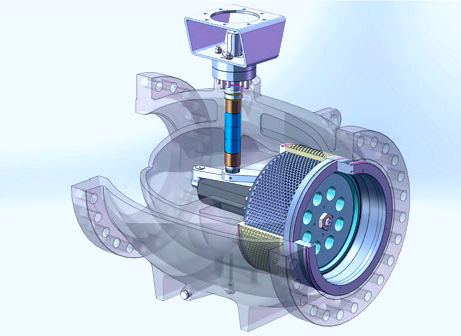 A Guide to Pneumatic Axial Valves: Design, Operation and Applications
You May Interest In

Dec 02, 2025 Blog
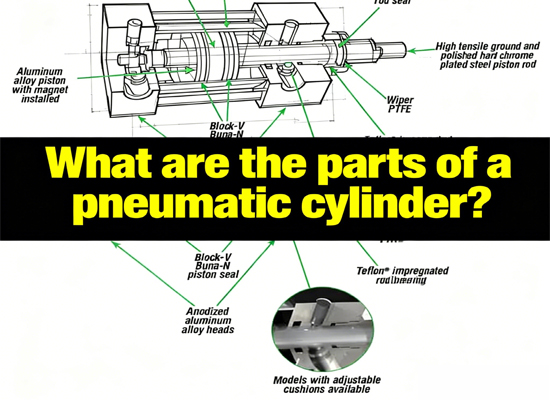
What are the parts of a pneumatic cylinder?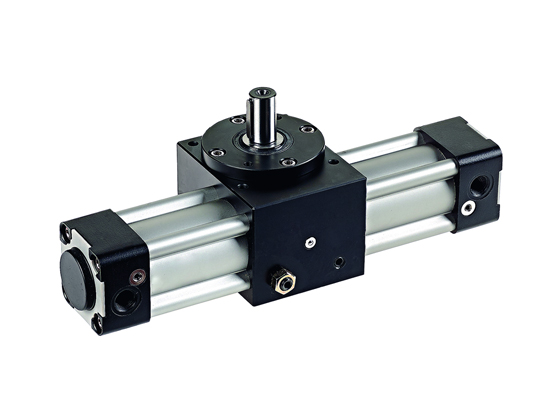
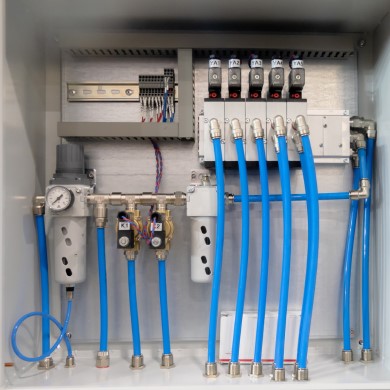
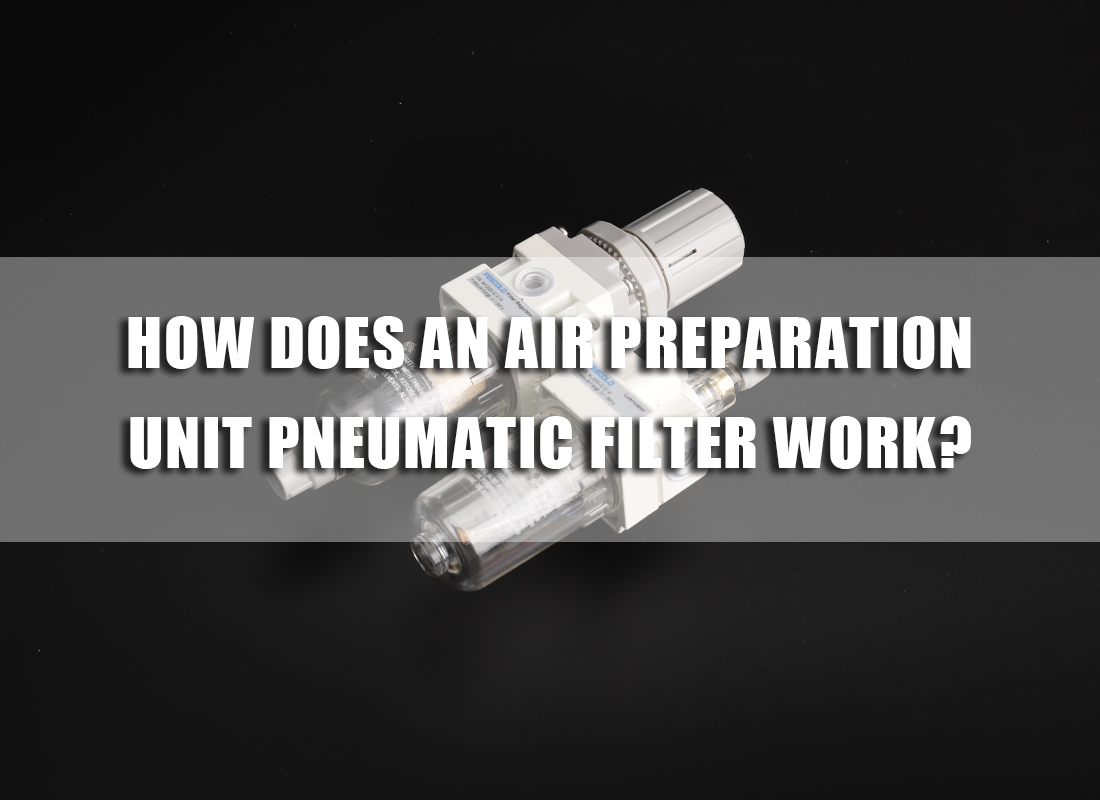
Apr 18, 2025 Blog
What is an Angle Seat Valve?
Get a free sample

Fokca is a brand of Ningbo Fokca Automation Co., Ltd.
Looking for custom pneumatic cylinder solutions? Visit our sister brand, Fescolo.→
© 2026 Ningbo Fokca Automation Co., Ltd. All rights reserved. Sitemap




 None