Aug 26, 2026
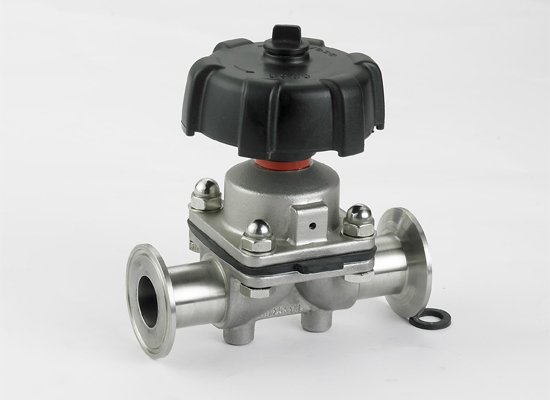
In fluid handling systems, preventing process media from contacting moving mechanical components is often an important design requirement. Diaphragm valves address this challenge by using a flexible membrane to control the flow passage while separating the fluid from the valve stem and actuator mechanism.
This construction makes them particularly useful in sanitary processing, chemical handling, water treatment, and applications involving liquids with suspended particles. However, their performance depends heavily on diaphragm material, valve body design, and operating conditions.
Unlike conventional valves that use a plug, ball, or disc as the primary closure element, a diaphragm valve uses a flexible diaphragm that presses against a specially shaped weir or valve seat.
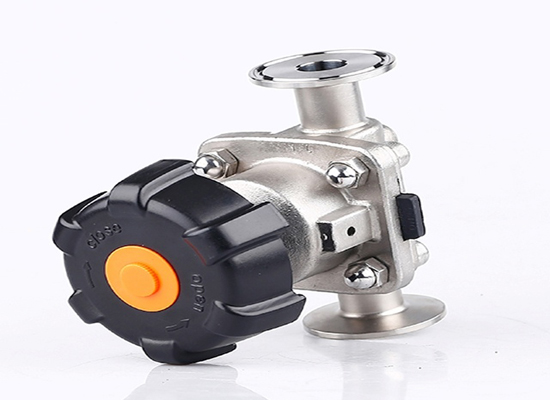
The diaphragm forms a barrier between the process medium and the upper mechanical assembly. As a result, the stem and actuator are generally isolated from direct contact with the fluid. This reduces the risk of contamination and helps protect mechanical components from corrosive media.
Another characteristic is the relatively simple wetted structure. Certain diaphragm valve designs can handle viscous liquids and fluids containing suspended solids because they have fewer internal cavities where material can accumulate. Actual suitability depends on the flow passage and diaphragm configuration.
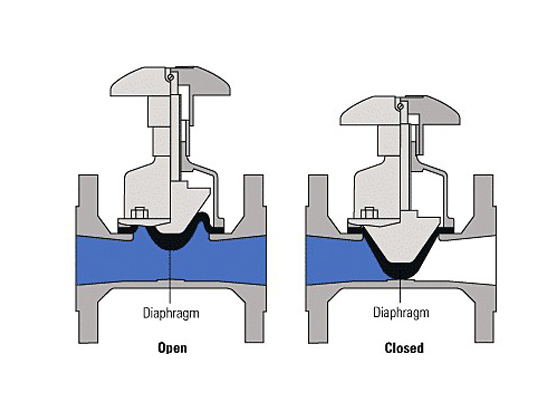
A diaphragm valve operates by moving the flexible diaphragm toward or away from the valve body's sealing area.
When the valve opens, the actuator lifts the diaphragm, creating a passage for fluid. When closing, the diaphragm moves downward and presses against the valve seat or weir, restricting or stopping the flow.
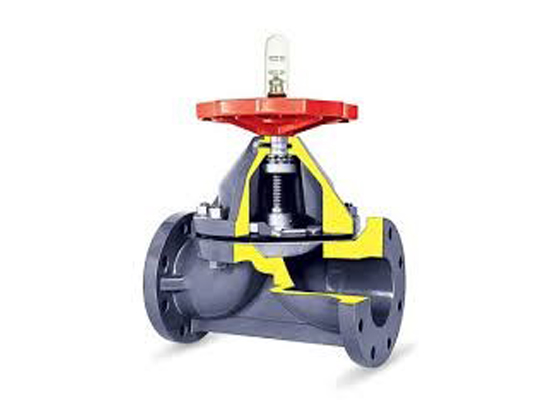
The main components include:
● Valve body: Provides the flow passage and supports the diaphragm. Common materials include cast iron, stainless steel, and suitable engineering plastics, depending on the application.
● Diaphragm: The primary flexible sealing component. Common materials include EPDM, PTFE-based materials, and other elastomers selected according to fluid compatibility and temperature.
● Compressor or pressure piece: Transfers force from the stem to the diaphragm and distributes the closing load.
● Stem and actuator: Control diaphragm movement. Depending on the model, operation can be manual, pneumatic, or electric.
● Bonnet and fastening components: Protect and secure the upper mechanical assembly.
Because the diaphragm is both a moving and sealing component, its fatigue resistance, chemical compatibility, and deformation limits are important factors in valve performance.
Diaphragm valves can be classified by their actuation method and internal flow design.
● Manual diaphragm valves use a handwheel to move the diaphragm and are suitable for straightforward isolation duties.
● Pneumatic diaphragm valves use compressed air for remote or automated operation.
● Electric diaphragm valves use an electric actuator and can be integrated into automated control systems, depending on actuator configuration.
● Weir-type diaphragm valves: Feature a raised section in the flow passage against which the diaphragm closes. They are widely used in industrial and sanitary applications.
● Straight-through diaphragm valves: Have a relatively unobstructed flow passage and are often considered for viscous fluids or media containing suspended solids.
● Two-way and three-way designs: Two-way valves provide basic flow isolation, while three-way configurations support flow diversion or mixing when designed for that purpose.
The appropriate structure depends on the required flow capacity, cleaning method, installation layout, and properties of the medium.
The separation between the process medium and the actuator assembly makes diaphragm valves suitable for applications where cleanliness or material compatibility is important.
● Pharmaceutical production: Used in process lines handling liquids, buffers, and other media where hygienic design and cleanability are essential.
● Food and beverage processing: Applied in suitable product transfer and cleaning systems, provided the complete valve meets relevant hygienic requirements.
● Chemical processing: Used for compatible corrosive liquids and chemical solutions when the body and diaphragm materials are correctly selected.
● Water treatment: Suitable for certain water, wastewater, and chemical dosing applications.
Semiconductor and electronics manufacturing: Specialized diaphragm valves can be used in high-purity chemical and ultrapure water delivery systems.
Not every standard diaphragm valve is suitable for sterile or ultra-high-purity service. Surface finish, dead-leg design, cleaning compatibility, material certification, and leakage requirements must all be evaluated.
Diaphragm valves offer several practical advantages:
● The diaphragm separates the process medium from the stem and actuator.
● Their relatively simple wetted structure can make cleaning easier.
● Suitable designs can handle certain corrosive, viscous, or particle-containing fluids.
● The flexible diaphragm provides a sealing surface without relying on a conventional sliding stem seal in the flow chamber.
● Maintenance often focuses on replacing the diaphragm and inspecting the body and upper assembly.
There are also limitations. The diaphragm is subject to repeated flexing and can eventually fatigue or deteriorate. Pressure and temperature capabilities are restricted by the diaphragm material and valve design. In addition, some configurations have lower flow capacity than full-bore valves of comparable nominal size. For precise continuous throttling, the valve's flow characteristics and control performance should be checked before selection.
It controls or isolates fluid flow using a flexible diaphragm. Its design helps separate the process medium from the valve stem and actuator mechanism.
Yes, provided the valve body and diaphragm materials are compatible with the specific chemical, concentration, temperature, and pressure. Material compatibility should always be verified.
Some designs, particularly suitable straight-through configurations, can handle slurries and suspended particles. Particle size, concentration, abrasiveness, and flow passage geometry must be considered.
Weir-type valves use a raised sealing area and are common in general industrial and sanitary applications. Straight-through designs provide a less obstructed passage and may be more suitable for viscous or particle-laden media.
Diaphragm valves are available with manual, pneumatic, and electric actuation. The choice depends on operating frequency, automation requirements, available power or compressed air, and the desired control method.
Before choosing a diaphragm valve, confirm the medium, operating pressure, temperature range, required flow capacity, and connection type. The diaphragm material deserves particular attention because it directly affects chemical compatibility, service life, and sealing performance.
For automated systems, also consider actuator type, control signals, available installation space, and maintenance access. Matching the valve structure and diaphragm material to the actual operating conditions is essential for reliable fluid control.
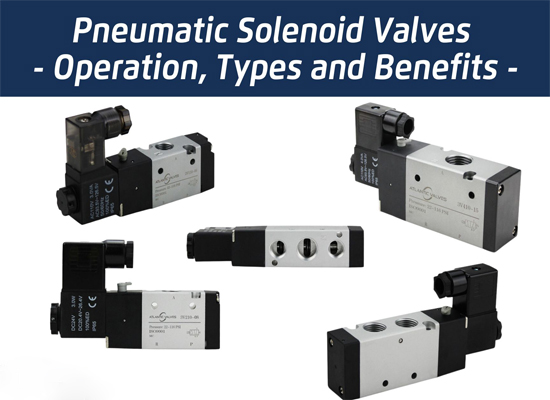 Pneumatic Solenoid Valves: Working Principles, Types and Applications
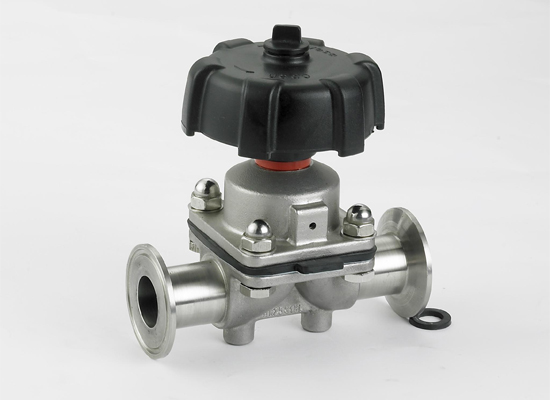 A Basic Guide to Diaphragm Valves: Features, Types and Applications
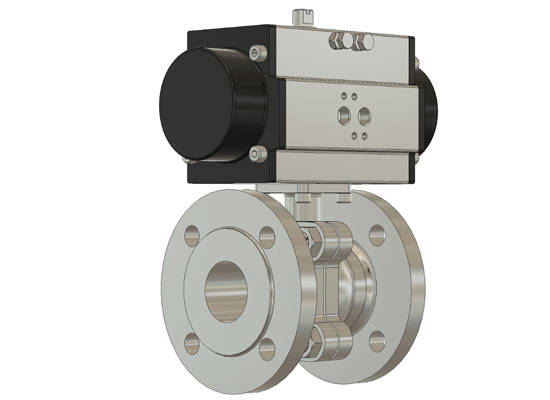 How Does a Pneumatic Ball Valve Operate? A Practical Guide
 Why Does Transparent PU Tubing Turn Yellow
 Comprehensive Analysis of Pneumatic Axial Flow Control Valves
You May Interest In

Dec 02, 2025 Blog
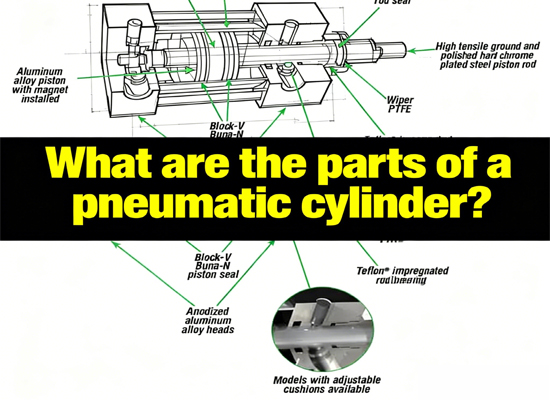
What are the parts of a pneumatic cylinder?
Apr 18, 2025 Blog
What is an Angle Seat Valve?
Get a free sample

Fokca is a brand of Ningbo Fokca Automation Co., Ltd.
Looking for custom pneumatic cylinder solutions? Visit our sister brand, Fescolo.→
© 2026 Ningbo Fokca Automation Co., Ltd. All rights reserved. Sitemap




 None