Nov 13, 2026
Transparent polyurethane tubing is widely used in pneumatic systems because of its flexibility, lightweight construction, and clear appearance. It allows engineers to inspect airflow and identify potential contamination while maintaining a neat installation.
However, when exposed to direct sunlight for extended periods, standard PU tubing may gradually turn yellow, become harder, and lose its original elasticity. These changes are particularly noticeable in outdoor machinery, agricultural equipment, and industrial automation systems.
The main cause is ultraviolet (UV) radiation, which accelerates the aging of polyurethane materials. Understanding how this process occurs—and how UV Resistant Polyurethane Tubing helps slow it down—can help engineers and distributors make more reliable material selections for outdoor applications.
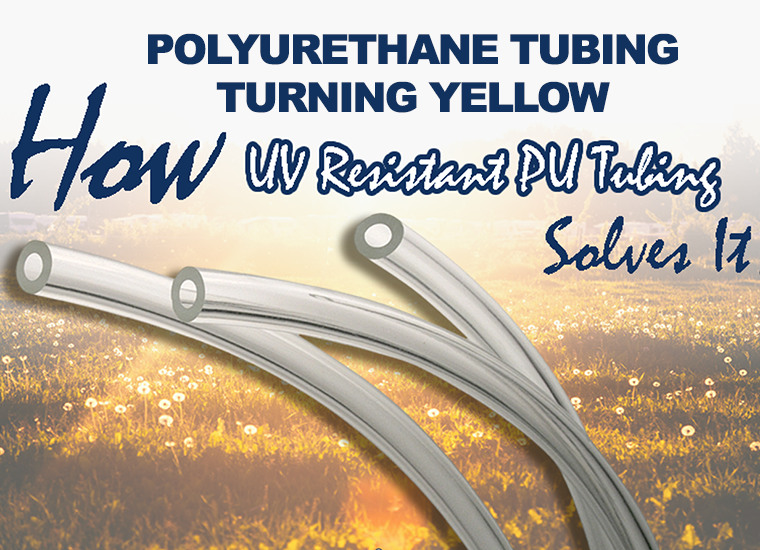
Prolonged exposure to sunlight can trigger photochemical reactions within polyurethane materials. UV radiation can damage polymer structures and accelerate oxidation, gradually changing the tubing's original physical properties.
Several changes may occur during this process:
• Color discoloration: The initially clear tubing develops a yellow or cloudy appearance.
• Loss of elasticity: The material becomes less flexible and may no longer return to its original shape as easily.
• Surface hardening: Continued aging can reduce the tubing's resistance to bending and mechanical stress.
• Micro-crack formation: In advanced stages, surface cracks may develop, increasing the risk of air leakage.
These changes are especially important in pneumatic systems where tubing undergoes repeated bending, vibration, and pressure fluctuations.
For indoor installations with limited sunlight exposure, standard polyurethane tubing may maintain its properties for a considerable period. Outdoor equipment, however, faces additional environmental stress from UV radiation, temperature fluctuations, and weather exposure.
Yellowing should therefore be treated as a possible indication of material aging rather than simply a cosmetic issue.
UV Resistant Polyurethane Tubing is designed to withstand prolonged sunlight exposure better than conventional PU tubing. Its performance depends largely on the material formulation and the use of appropriate UV stabilizers and antioxidant additives.
Two commonly used stabilization technologies include:
1. UV Absorbers
UV absorbers capture harmful ultraviolet radiation and dissipate the absorbed energy through relatively harmless processes, reducing the amount of radiation reaching vulnerable polymer structures.
2. Hindered Amine Light Stabilizers (HALS)
HALS work through a different mechanism. They help neutralize free radicals generated during photo-oxidative degradation, interrupting oxidation reactions and slowing the breakdown of polymer chains.
Depending on the formulation, these additives can help polyurethane tubing retain its flexibility, mechanical strength, and appearance for longer periods under outdoor conditions.
The actual level of UV resistance varies with the additive system, material composition, exposure intensity, and manufacturing process. Therefore, a UV-resistant designation alone should not replace performance testing.
When selecting pneumatic tubing for outdoor applications, engineers should consider how the material performs after prolonged UV exposure rather than evaluating only its initial appearance and mechanical properties.
The following table illustrates the typical differences that may be observed between conventional and UV-stabilized polyurethane formulations.
| Performance Factor | Performance Factor | UV Resistant PU Tubing |
Color stability | More susceptible to yellowing | Better color retention |
Tensile strength retention | May decrease significantly | Better strength retention |
Elongation retention | More likely to decline | Better elasticity retention |
Surface condition | Higher risk of cracking during aging | Improved resistance to UV-related deterioration |
Outdoor suitability | Depends on exposure conditions | Better suited to sunlight-exposed installations |
Actual results depend on the specific material formulation and test conditions. For meaningful comparisons, suppliers should provide accelerated UV aging reports showing exposure duration, testing methods, and changes in mechanical properties.
It is also important to distinguish UV resistance from overall weather resistance. Protection against ultraviolet radiation does not automatically guarantee resistance to moisture, ozone, extreme temperatures, or chemical exposure.
For OEM manufacturers and equipment distributors, tubing appearance can influence how customers perceive the quality of an entire machine.
Transparent PU tubing is frequently installed in packaging machinery, food processing equipment, and automated production lines. Its clear appearance helps create a clean and organized pneumatic layout while allowing visual inspection of the internal flow path.
When tubing becomes noticeably yellow or cloudy, the equipment may appear older or poorly maintained, even if the pneumatic system continues to operate normally.
This is particularly relevant to equipment incorporating stainless steel pneumatic components and stainless steel fittings.Consistent material appearance helps maintain a clean installation and a professional finish during customer inspections and factory audits.
UV-stabilized tubing can help preserve this appearance for longer, although the degree of transparency retention depends on the formulation and environmental conditions.
Not every pneumatic installation requires enhanced UV protection. For equipment operating indoors or in enclosed environments, conventional PU tubing may be sufficient.
However, UV-resistant formulations are worth considering in applications where tubing is regularly exposed to direct sunlight.
Typical applications include:
• Outdoor automation equipment: Pneumatic lines installed on exposed machinery and production systems.
• Agricultural machinery: Tubing used in equipment operating outdoors under changing weather conditions.
• Solar energy systems: Pneumatic components installed around solar mounting and maintenance equipment.
• Coastal industrial facilities: Applications where intense sunlight may combine with humidity and other environmental stresses.
• Mobile machinery: Pneumatic systems on vehicles and mobile equipment that frequently operate outdoors.
In these applications, tubing degradation can increase maintenance frequency and create additional downtime risks. Selecting a more suitable material at the design stage can reduce the likelihood of premature replacement.
A UV-resistant label does not provide enough information to determine whether a particular polyurethane tube is suitable for an application.
When evaluating suppliers, procurement teams and engineers should pay attention to the following factors:
Ask whether the tubing incorporates UV absorbers, HALS, antioxidants, or a combination of stabilization technologies. The effectiveness depends on the complete formulation rather than the presence of a single additive.
Request test reports showing the UV exposure duration, testing standard, and changes in color and mechanical properties. Testing methods such as ISO 4892-2 or ASTM G154 may be relevant, depending on the material and validation requirements.
Compare tensile strength and elongation before and after UV exposure. These measurements help determine whether the tubing retains sufficient mechanical performance after aging.
Outdoor tubing must withstand both sunlight exposure and ambient temperature fluctuations. Confirm that the specified operating temperature range matches the actual application.
Wall thickness, outer diameter, inner diameter, working pressure, and fitting compatibility must also meet system requirements. Improved UV resistance should not come at the expense of basic pneumatic performance.
For OEM and private-label projects, manufacturers may also evaluate different tubing colors and transparency levels to balance appearance, identification requirements, and environmental durability.
Standard transparent PU tubing offers an effective combination of flexibility, visibility, and ease of installation. However, prolonged exposure to ultraviolet radiation can accelerate discoloration and material deterioration, particularly in outdoor pneumatic systems.
UV Resistant Polyurethane Tubing provides an additional level of protection through specialized material formulations that slow UV-related oxidation and help preserve mechanical properties.
The right choice ultimately depends on actual exposure conditions, required service life, mechanical performance, and maintenance expectations. Evaluating these factors before installation helps engineers avoid premature tubing replacement and maintain more reliable pneumatic connections over time.
(FK9026)
 Pneumatic Solenoid Valves: Working Principles, Types and Applications
 A Basic Guide to Diaphragm Valves: Features, Types and Applications
 How Does a Pneumatic Ball Valve Operate? A Practical Guide
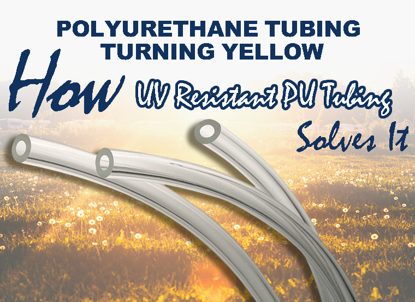 Why Does Transparent PU Tubing Turn Yellow
 Comprehensive Analysis of Pneumatic Axial Flow Control Valves
You May Interest In

Dec 02, 2025 Blog
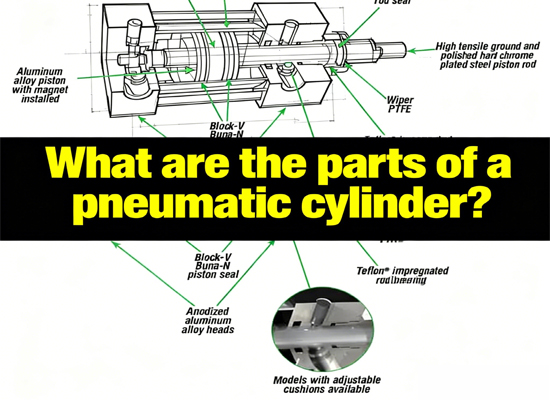
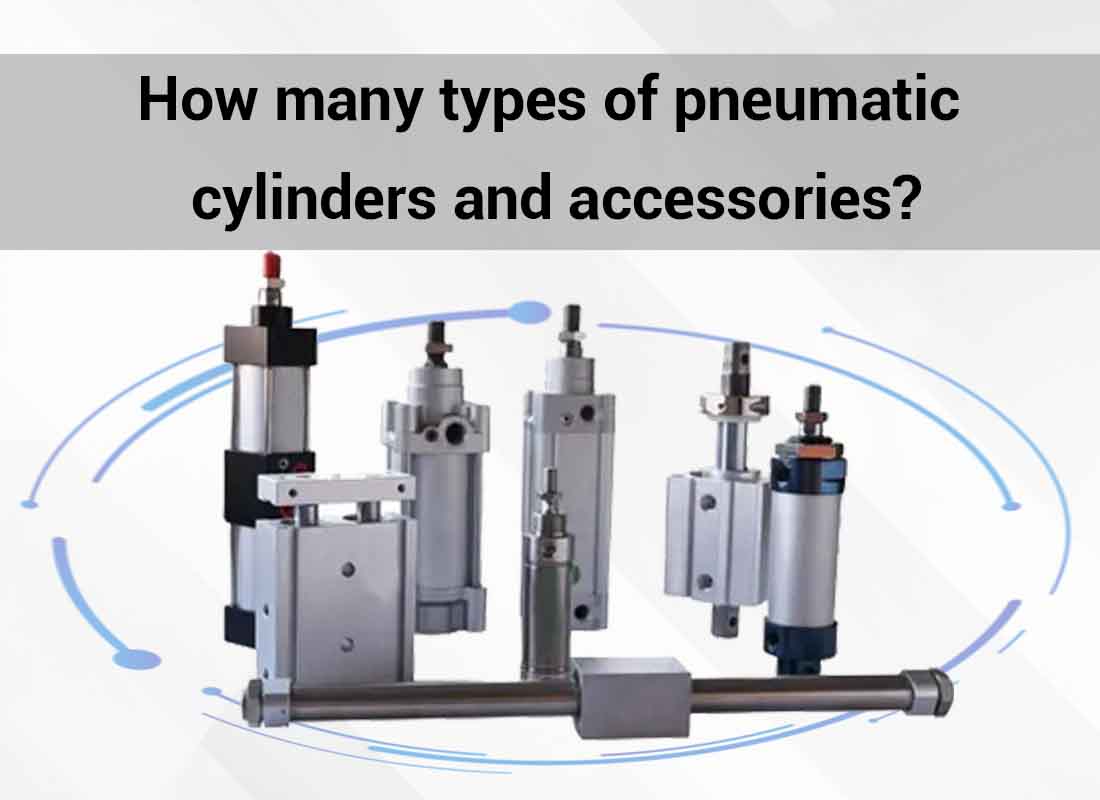
What are the parts of a pneumatic cylinder?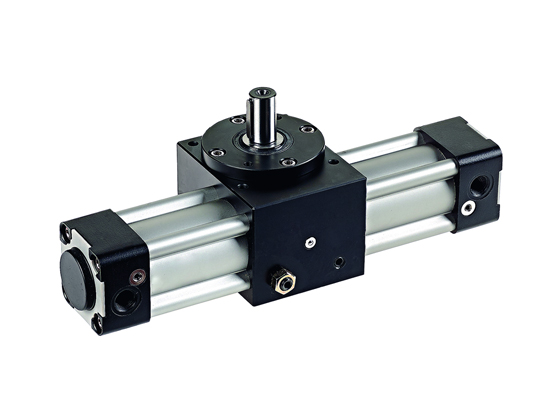
Apr 18, 2025 Blog
What is an Angle Seat Valve?
Get a free sample

Fokca is a brand of Ningbo Fokca Automation Co., Ltd.
Looking for custom pneumatic cylinder solutions? Visit our sister brand, Fescolo.→
© 2026 Ningbo Fokca Automation Co., Ltd. All rights reserved. Sitemap




 None