Aug 21, 2026
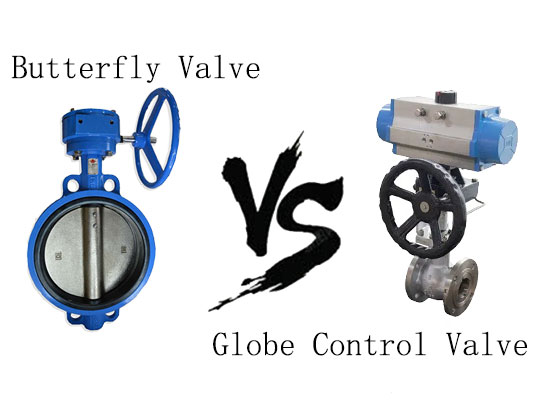
Butterfly valves and pneumatic globe control valves are widely used in industrial fluid systems. Both regulate the flow of liquids and gases, but their operating mechanisms, internal structures, and control characteristics are different.
A butterfly valve uses a rotating disc to control flow, while a pneumatic globe control valve uses a linear-moving plug to adjust the opening between the plug and seat. Understanding these differences helps engineers select the right valve for their operating conditions.
A butterfly valve controls flow through a disc mounted on a rotating shaft. When the valve rotates approximately 90 degrees, the disc moves between the fully open and fully closed positions.
When fully open, the disc remains inside the flow passage and still creates some resistance. At intermediate positions, the disc restricts the flow area, allowing basic flow regulation.
Butterfly valves can be operated manually or fitted with pneumatic or electric actuators for automated control.
A pneumatic globe control valve uses a pneumatic actuator to move a valve stem and plug linearly. Compressed air drives the actuator according to a control signal, changing the distance between the plug and valve seat.
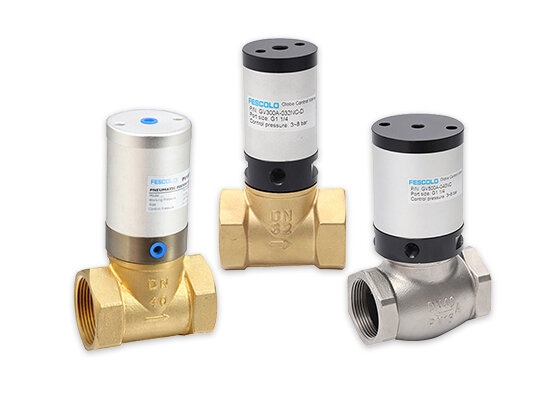
This movement adjusts the flow passage and regulates the medium. When equipped with a suitable positioner, the valve can provide accurate positioning and stable flow control.
However, the relationship between valve opening and actual flow depends on the valve's flow characteristic, pressure differential, and medium properties.
The two valves have different internal designs, which influence their installation requirements and operating performance.
| Feature | Butterfly Valve | Pneumatic Globe Control Valve |
| Main component | Rotating disc | Plug and valve seat |
| Movement | Rotary, approximately 90° | Linear |
| Structure | Relatively simple and compact | More complex |
| Actuation | Manual, pneumatic, or electric | Pneumatic actuator |
| Installation space | Generally smaller | Generally larger |
| Flow resistance | Relatively low when fully open, depending on design | Often higher due to the flow path |
Butterfly valves are commonly used for on/off isolation and moderate throttling. Their compact construction and quick quarter-turn operation make them suitable for large-diameter pipelines where installation space and weight are important considerations.
Pneumatic globe control valves are designed for more precise flow regulation. Their linear movement allows the plug position to be adjusted continuously, making them suitable for applications requiring controlled changes in flow.
Globe valves can also handle demanding pressure and temperature conditions when designed with appropriate materials and pressure ratings. However, their flow paths often create a greater pressure drop than fully open butterfly valves.
Neither valve should be selected based on nominal size alone. Flow capacity, pressure differential, medium characteristics, and the required control range should all be considered.
● Compact design: Requires relatively little installation space and is suitable for large pipeline diameters.
● Quick operation: Quarter-turn movement enables fast opening and closing.
● Lower weight: Often easier to install and support than comparable globe valves.
● Relatively low pressure loss: Particularly when fully open, depending on disc and body design.
● Versatile actuation: Available with manual, pneumatic, and electric operating mechanisms.
● Accurate regulation: Linear plug movement supports controlled adjustment of flow.
● Automated control: Can work with pneumatic actuators and positioners in industrial control systems.
● Wide operating range: Suitable designs are available for different pressure, temperature, and medium requirements.
● Control stability: Proper valve sizing and actuator selection help maintain stable process conditions.
● Flexible configurations: Different trim designs and flow characteristics can be selected for specific applications.
Choose a butterfly valve when the system requires quick isolation, a compact structure, low weight, or economical flow control. Typical applications include water distribution, HVAC systems, ventilation, and large-diameter industrial pipelines.
Choose a pneumatic globe control valve when accurate flow adjustment, automated process control, or repeatable positioning is important. Common applications include steam systems, chemical processing, power generation, and industrial fluid control.
The final selection should consider the required Cv/Kv value, operating pressure, temperature, actuator sizing, control signal, and shut-off requirements.
Yes. Butterfly valves can regulate flow by changing the disc position. They are suitable for some throttling applications, but their control accuracy and range depend on the valve design and operating conditions. For applications requiring more precise regulation, a properly sized globe control valve is often a better choice.
A globe valve uses a moving plug to regulate flow and is commonly selected for throttling and control applications. A ball valve uses a rotating ball with a bore to provide quick opening and closing, making it suitable for isolation and shut-off duties. Specialized ball valve designs can also provide control functions.
Neither valve is automatically better for every high-pressure application. The appropriate choice depends on the valve's pressure rating, temperature limits, body and trim materials, sealing design, and operating conditions. Globe valves are commonly used in high-pressure control applications, while suitably rated butterfly valves can also serve demanding duties.
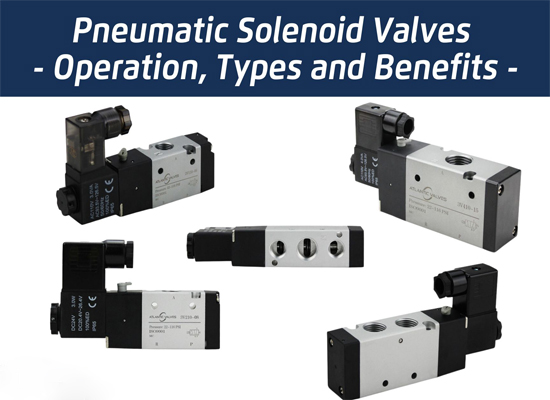 Pneumatic Solenoid Valves: Working Principles, Types and Applications
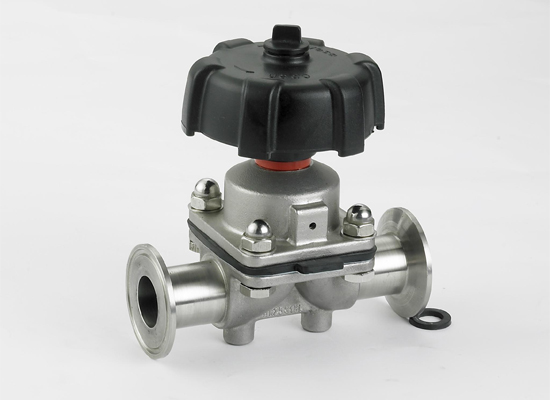 A Basic Guide to Diaphragm Valves: Features, Types and Applications
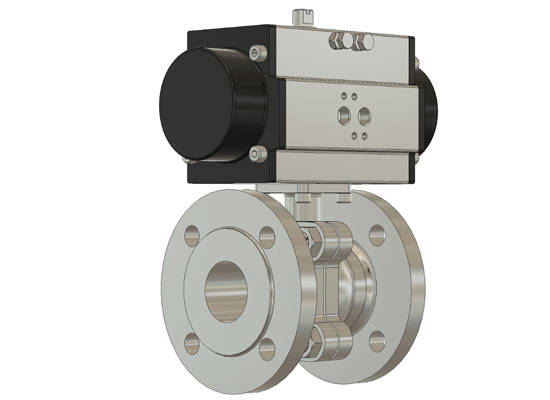 How Does a Pneumatic Ball Valve Operate? A Practical Guide
 Why Does Transparent PU Tubing Turn Yellow
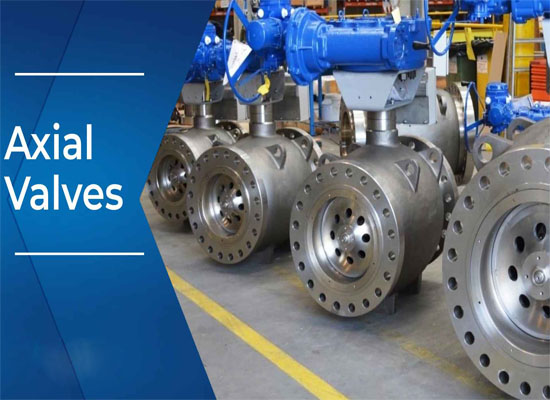 Comprehensive Analysis of Pneumatic Axial Flow Control Valves
You May Interest In


Dec 02, 2025 Blog
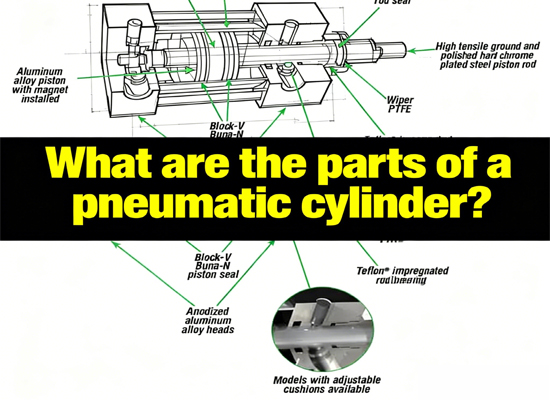
What are the parts of a pneumatic cylinder?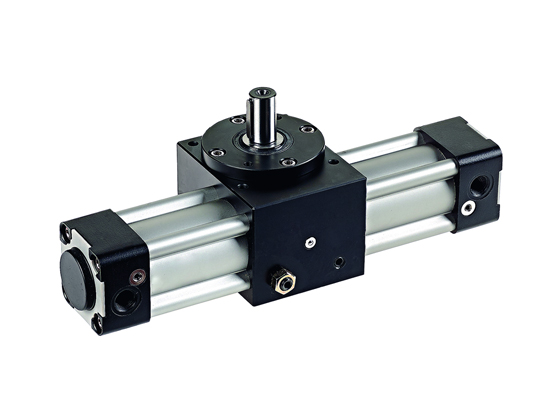




Apr 18, 2025 Blog
What is an Angle Seat Valve?
Get a free sample

Fokca is a brand of Ningbo Fokca Automation Co., Ltd.
Looking for custom pneumatic cylinder solutions? Visit our sister brand, Fescolo.→
© 2026 Ningbo Fokca Automation Co., Ltd. All rights reserved. Sitemap