Aug 20, 2026
A pulse valve is an electrically controlled valve designed to release a short, controlled burst of compressed air or another compatible medium. In industrial dust collection systems, it is commonly called a pulse jet valve or dust collector pulse valve. Its primary function is to deliver compressed air into filter bags or cartridges to remove accumulated dust.
Unlike conventional valves used for continuous flow control, pulse valves operate intermittently. They open for a preset period and then close, producing a high-volume air discharge over a short interval. This allows dust collector filters to be cleaned without stopping the entire filtration process.
Pulse valves are also used in certain pneumatic control and fluid-dosing applications. However, their structure and operating requirements vary depending on the medium, pressure, flow rate, and intended function. The following discussion focuses mainly on diaphragm-type pulse valves used in industrial dust collection systems.
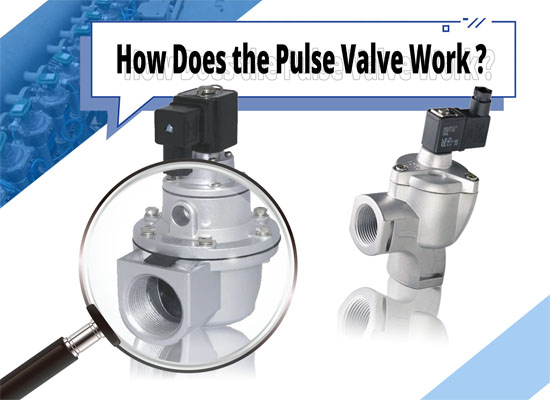
Most industrial pulse jet valves use an electromagnetic pilot mechanism to control a larger diaphragm valve. Their main components typically include a valve body, diaphragm, solenoid coil, pilot assembly, spring, and air passages.
The operating process involves two main stages:
When the dust collector controller sends an electrical pulse to the solenoid coil, the coil generates a magnetic field that moves the pilot plunger. This opens the pilot exhaust passage, allowing the air pressure above the diaphragm to decrease.
The pressure difference across the diaphragm causes it to lift from the valve seat. Compressed air stored in the air reservoir then flows through the valve outlet and into the blow tube, producing a short, powerful air pulse.
When the electrical signal ends, the solenoid returns to its initial position and closes the pilot exhaust passage. Compressed air can then enter the diaphragm control chamber through a small equalizing passage.
As the pressure above the diaphragm recovers, the pressure difference decreases. The diaphragm returns to its seat, stopping the airflow and preparing the valve for the next cycle.
The exact mechanism depends on the valve design, but the basic principle is to use a small pilot mechanism to control a larger flow passage. This allows a relatively small solenoid to operate a valve capable of delivering a substantial volume of compressed air.
Pulse valves can be classified according to their operating mechanism, diaphragm arrangement, and electrical control configuration. The most common designs include the following.
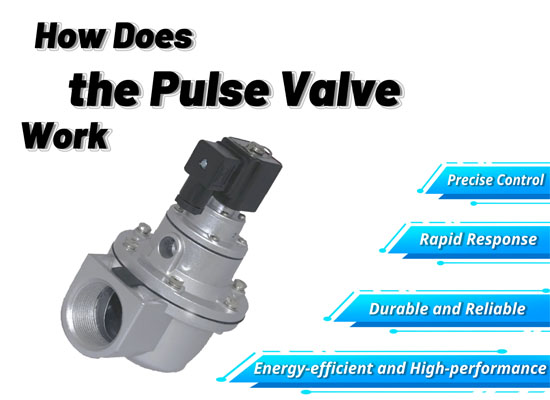
Pilot-operated pulse valves use a small solenoid valve to control the pressure acting on a larger diaphragm or piston. The solenoid does not directly move the main sealing element through its full operating force. Instead, it changes the pressure balance that opens or closes the main valve.
This design is widely used in dust collectors because it supports high airflow and rapid discharge while requiring relatively modest solenoid actuation force.
In a direct-acting design, the electromagnetic force directly moves the main sealing element. The valve does not rely on a pilot pressure difference to operate.
Direct-acting valves are generally suitable for smaller flow capacities and applications where the operating pressure may be too low for a pilot-operated design. Whether a particular model can operate at zero differential pressure depends on its construction and specifications.
Pulse valves may also be classified by their default operating position:
Normally Closed (NC): The valve remains closed when the solenoid is de-energized and opens when an electrical signal is applied. This is common in dust collection pulse jet systems.
Normally Open (NO): The valve remains open without electrical power and closes when energized. This configuration is less common for conventional dust collector pulse cleaning.
The appropriate configuration depends on the required operating sequence and system safety conditions.
Pulse valves provide several practical benefits in systems that require intermittent, high-flow air delivery.
● Rapid air discharge: They release compressed air in short bursts, helping remove dust from filter surfaces efficiently.
● High flow capacity: Pilot-operated diaphragm designs can control relatively large airflow through a compact electromagnetic control mechanism.
● Automated operation: Electrical signals from a timer or dust collector controller allow valves to operate in a programmed sequence.
● Improved filtration efficiency: Regular pulse cleaning helps prevent excessive dust accumulation and maintain airflow through filter media.
● Reduced manual intervention: Automatic cleaning reduces the need for frequent manual filter maintenance, although periodic inspection and replacement remain necessary.
Actual performance depends on valve design, air supply conditions, pulse duration, filter arrangement, and maintenance practices. A pulse valve does not automatically reduce energy consumption; compressed air demand and compressor efficiency must also be considered.
Dust collectors are one of the most common applications for pulse valves. In baghouse and cartridge filtration systems, compressed air is released through blow tubes and nozzles to create a reverse-flow cleaning pulse. This helps dislodge dust from the filter surfaces so that it can fall into the collection hopper.
Industries such as cement production, metal processing, woodworking, mining, and chemical manufacturing commonly use this cleaning method.
In selected pneumatic systems, pulse valves provide intermittent air delivery for short-duration operations, including component activation, air blowing, and cleaning tasks. The valve must be matched to the required airflow, operating pressure, and switching frequency.
Certain electrically controlled valves can regulate intermittent water delivery in irrigation and water treatment equipment. However, these are not necessarily the same diaphragm-type pulse valves used in dust collectors. Material compatibility, water pressure, flow requirements, and valve construction must be evaluated separately.
Pulse-controlled air release may be used for product positioning, debris removal, and other short-duration pneumatic operations in automated production and packaging equipment. The specific valve design should be selected according to the application rather than assuming that every pulse jet valve is suitable for liquid or general-purpose pneumatic control.
Choosing a suitable pulse valve requires more than checking its connection size. Several operating factors should be evaluated together.
● Air pressure and flow capacity: Confirm the available supply pressure and the airflow required by the system. For dust collectors, consider the air reservoir capacity, blow tube arrangement, valve orifice, and pressure recovery between cleaning cycles.
● Valve construction: Determine whether a direct-acting or pilot-operated design is appropriate. For high-flow dust cleaning, pilot-operated diaphragm valves are commonly used. Check the manufacturer's minimum and maximum operating pressure requirements.
● Pulse duration and switching frequency: The valve must respond reliably to the controller's electrical signals. Check its permitted pulse duration, cycle frequency, and service-life data. The correct pulse setting depends on the filter design and dust conditions.
● Materials and sealing: Select the valve body, diaphragm, and seals according to the operating environment. Temperature, moisture, dust exposure, and chemical contact can affect material suitability and service life.
● Electrical requirements: Verify coil voltage, AC or DC supply, power consumption, connector type, and protection rating. These specifications must match the controller and installation environment.
● Connection and installation: Check the port size, connection standard, mounting arrangement, and airflow direction. For dust collector systems, also consider the connection between the valve, air reservoir, and blow tube to avoid unnecessary pressure losses.
Regularly inspect diaphragms, pilot passages, electrical connections, and air supply quality. Contamination, moisture, insufficient pressure, and worn sealing components can all affect pulse performance.
A pulse valve works as part of a complete compressed-air cleaning system. Even a correctly selected valve may perform poorly if the air reservoir cannot maintain sufficient pressure or the blow tube is incorrectly positioned.
If cleaning performance decreases, check the air supply pressure, diaphragm condition, pilot passage, solenoid coil, and controller settings before replacing the valve. Also inspect for air leakage and excessive moisture in the compressed-air line.
Proper valve selection, suitable pulse settings, and routine maintenance help maintain stable filter cleaning performance and reduce unnecessary compressed-air consumption.
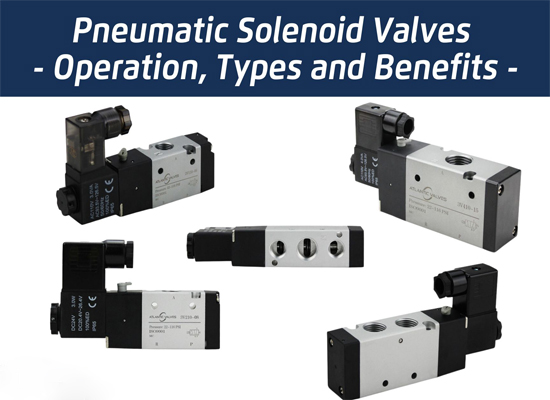 Pneumatic Solenoid Valves: Working Principles, Types and Applications
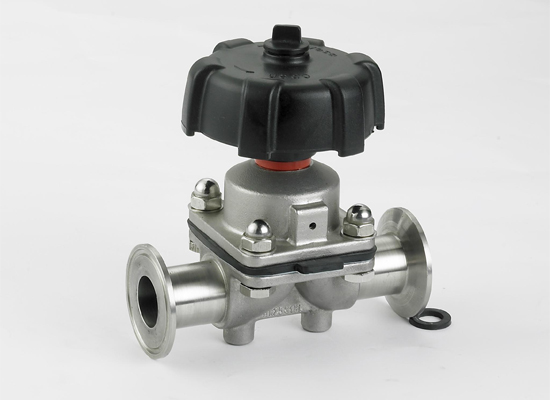 A Basic Guide to Diaphragm Valves: Features, Types and Applications
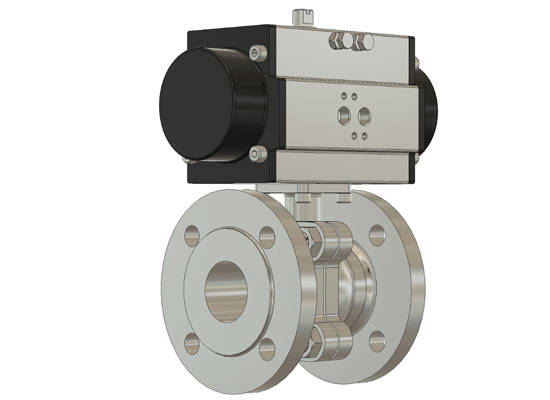 How Does a Pneumatic Ball Valve Operate? A Practical Guide
 Why Does Transparent PU Tubing Turn Yellow
 Comprehensive Analysis of Pneumatic Axial Flow Control Valves
You May Interest In

Dec 02, 2025 Blog
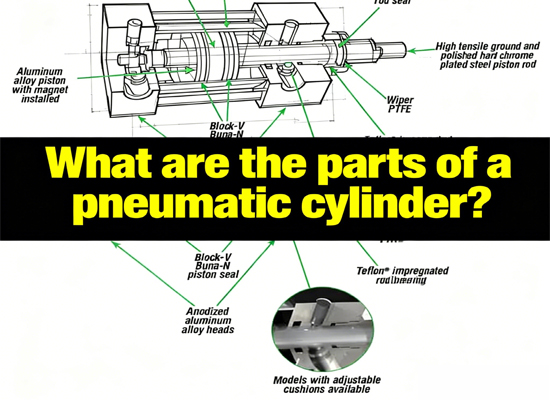
What are the parts of a pneumatic cylinder?



Apr 18, 2025 Blog
What is an Angle Seat Valve?
Get a free sample

Fokca is a brand of Ningbo Fokca Automation Co., Ltd.
Looking for custom pneumatic cylinder solutions? Visit our sister brand, Fescolo.→
© 2026 Ningbo Fokca Automation Co., Ltd. All rights reserved. Sitemap