Aug 20, 2026
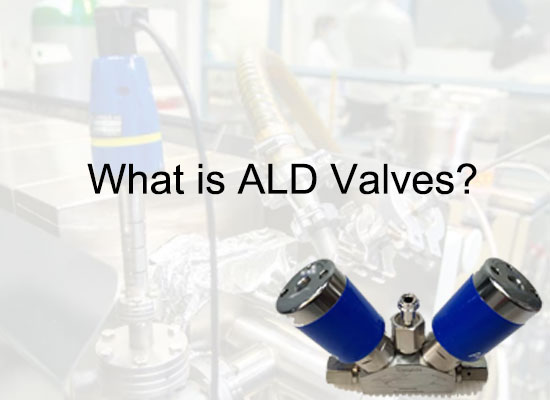
Atomic Layer Deposition (ALD) is an advanced thin-film deposition technology widely used in semiconductor manufacturing, microelectronics, optics, and nanotechnology. It enables precise control of film thickness by introducing precursor gases in carefully controlled cycles.
In an ALD system, valves play an essential role in controlling precursor delivery, switching gas paths, and maintaining process consistency. Their response speed, sealing performance, and material compatibility can directly affect deposition quality and equipment reliability.
ALD is a vapor-phase deposition process based on sequential surface reactions. Typically, two or more reactants are introduced into a reaction chamber in separate pulses.
During each half-cycle, the precursor reacts with available surface sites until the reaction becomes self-limiting. Excess precursor and reaction by-products are then removed, usually through a purge step, before the next reactant is introduced.
This cyclic process allows film thickness to be controlled through the number of deposition cycles. It also provides excellent conformality and uniform coverage on complex structures with high aspect ratios.
Chemical Vapor Deposition (CVD) is another widely used vapor-phase coating technology. Although both methods use gaseous precursors to form thin films, their reaction mechanisms differ.
| Comparison | ALD | CVD |
| Reaction mechanism | Sequential surface reactions | Gas-phase and/or surface chemical reactions |
| Precursor delivery | Alternating pulses | Often simultaneous or continuous |
| Thickness control | Cycle-based, highly precise | Controlled by deposition time and process conditions |
| Step coverage | Generally excellent | Depends on process and geometry |
| Deposition rate | Often slower | Often faster |
| Typical applications | Ultra-thin, conformal films | A wide range of thin-film coatings |
ALD is particularly useful when uniform coverage and precise thickness control are essential. CVD may be preferred when higher deposition rates or different film properties are required.
An ALD valve is a specialized fluid-control component used to manage the delivery and isolation of precursor gases in an ALD system.
It controls the timing and routing of gas pulses, helping prevent unwanted mixing between reactants and maintaining repeatable deposition cycles.
Fast-acting diaphragm valves are commonly considered for ALD gas delivery because their designs can support rapid switching and effective isolation. However, the appropriate valve type depends on the process configuration, precursor characteristics, pressure conditions, and required cycle time.
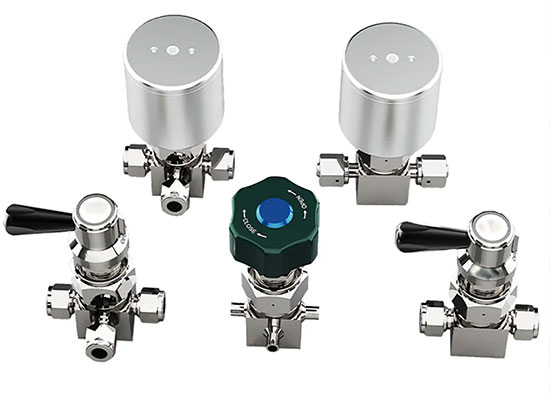
ALD processes involve repeated gas pulses, so valves must open and close reliably within the required timing window. Some high-speed valves operate with millisecond-level response times, but actual performance varies by model, actuator, pressure, and control system.
Repeatability over many cycles is just as important as initial switching speed.
Dead volume refers to the internal space where gas can remain after a valve closes or changes position. Excessive trapped volume may cause precursor carryover, slow purging, and contamination between process steps.
Valves designed for ALD applications should minimize unnecessary internal volume and support effective gas evacuation.
Reliable sealing helps prevent precursor leakage and unintended contact between different reactants. Internal leakage and external leakage must both be considered because either can affect process stability and equipment safety.
Some ALD precursors are reactive, corrosive, or sensitive to moisture. Valve body materials and wetted components must therefore be compatible with the specific chemicals and operating temperatures.
Stainless steel and nickel-based alloys may be used in suitable applications, while seals and other internal materials require separate compatibility verification. Material selection should be based on the actual precursor, temperature, pressure, and exposure conditions.
ALD equipment may perform a large number of switching cycles during continuous operation. Valve durability, seal wear, switching consistency, and maintenance requirements should therefore be evaluated when selecting components.
Choosing an ALD valve requires more than comparing nominal response times. Engineers should evaluate the precursor gas properties, operating pressure and temperature, required pulse duration, leakage limits, internal volume, and expected cycle frequency.
It is also important to confirm the valve's electrical or pneumatic control requirements and its compatibility with the system's gas delivery and purge arrangements.
A properly selected ALD valve helps maintain accurate precursor dosing, reduce cross-contamination risks, and support stable deposition cycles. In precision thin-film manufacturing, reliable valve performance is an important part of overall process control.
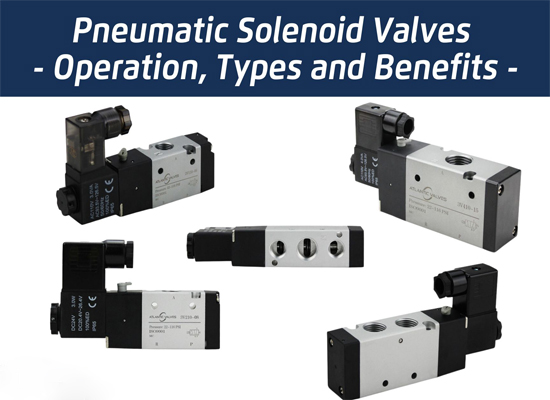 Pneumatic Solenoid Valves: Working Principles, Types and Applications
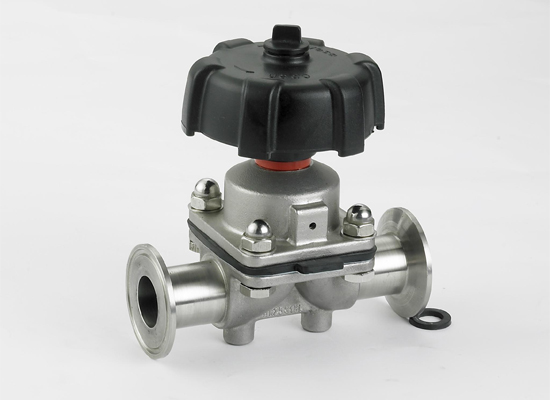 A Basic Guide to Diaphragm Valves: Features, Types and Applications
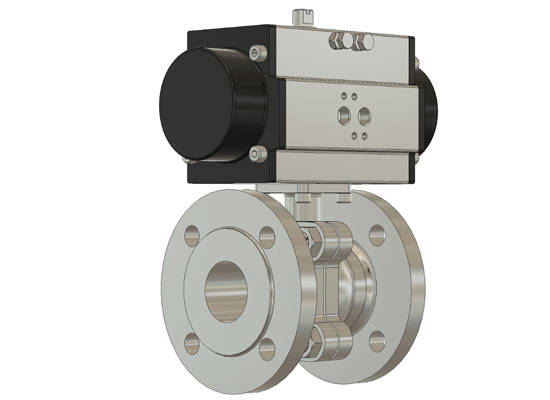 How Does a Pneumatic Ball Valve Operate? A Practical Guide
 Why Does Transparent PU Tubing Turn Yellow
 Comprehensive Analysis of Pneumatic Axial Flow Control Valves
You May Interest In

Dec 02, 2025 Blog
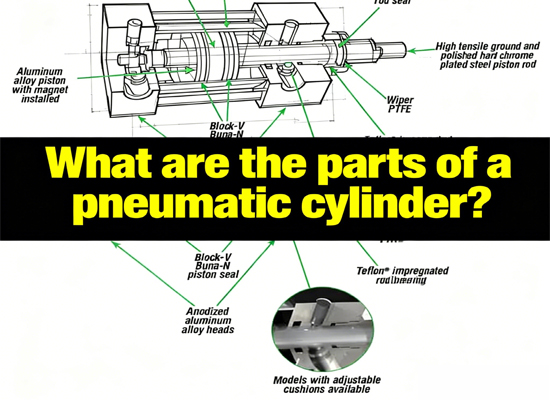
What are the parts of a pneumatic cylinder?

Apr 18, 2025 Blog
What is an Angle Seat Valve?
Get a free sample

Fokca is a brand of Ningbo Fokca Automation Co., Ltd.
Looking for custom pneumatic cylinder solutions? Visit our sister brand, Fescolo.→
© 2026 Ningbo Fokca Automation Co., Ltd. All rights reserved. Sitemap