Aug 19, 2026
Tin bronze valve bodies are primarily made from high-purity copper, with tin as the main alloying element. Small amounts of phosphorus, zinc, nickel, and other elements can be added to improve strength, wear resistance, corrosion resistance, or machinability. Typical compositions contain more than 80% copper, with tin generally around 3.5–4.9% and phosphorus around 0.03–0.35%. Depending on the grade, lead or nickel may also be included for specific performance requirements.
This alloy structure gives tin bronze several characteristics that are particularly useful for valve applications.
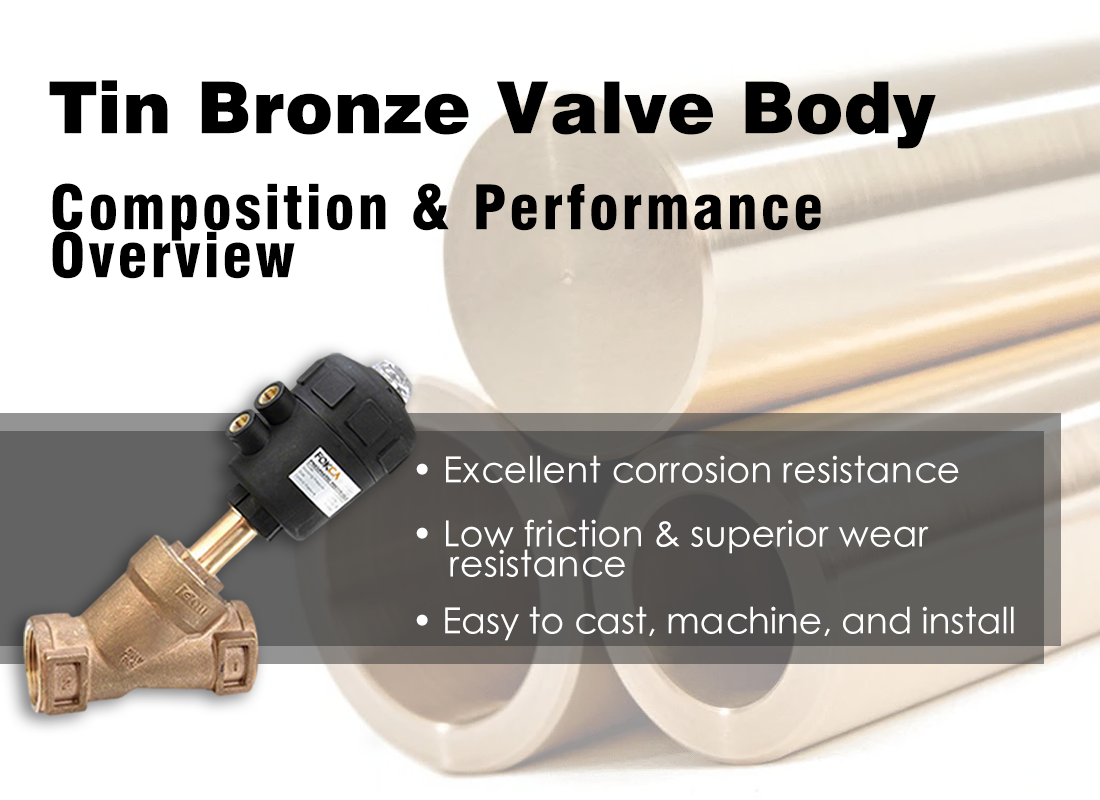
Tin bronze performs well in freshwater, seawater, steam, and many industrial media. Its resistance to marine corrosion makes it suitable for wet and salt-containing environments where long-term material stability is important.
Tin and phosphorus contribute to hardness and wear resistance, while certain grades containing lead can provide improved lubricity. This helps valve stems and moving surfaces operate smoothly with reduced friction.
Tin bronze has good fluidity and relatively low casting shrinkage, making it suitable for producing valve bodies with complex internal passages and precise geometries. It can also be machined efficiently after casting.
These properties make tin bronze more than simply a lower-cost alternative to stainless steel. In the right operating environment, it can provide an effective combination of corrosion resistance, durability, and serviceability.
Choosing between tin bronze and stainless steel depends mainly on the working medium, pressure, operating frequency, and maintenance requirements. Neither material is universally superior.
| Factor | Tin Bronze | Stainless Steel |
| Corrosion resistance | Excellent in marine and humid environments | Excellent in many chemical environments |
| Wear resistance | Good, with low-friction characteristics | High hardness but generally requires suitable lubrication |
| Castability | Excellent for complex valve bodies | More difficult to cast and machine |
| Typical cost | Generally more economical | Usually higher material and machining cost |
| Suitable applications | Marine, freshwater, steam, mid-low pressure | Chemical, high-pressure, aggressive media |
Stainless steel grades such as 304 and 316L offer strong corrosion resistance, particularly in many chemical and industrial environments. However, chloride-rich conditions can cause localized problems such as pitting and crevice corrosion under certain operating conditions.
Tin bronze has strong resistance to seawater and humid environments, making it particularly attractive for marine pipelines, ballast water systems, bilge systems, and other wet-service applications. For freshwater and steam systems, both materials can perform well when the pressure, temperature, and media are within their rated limits.
Valve bodies are not exposed only to static corrosion. Repeated opening and closing can place considerable demands on stems, seats, and sealing surfaces. Tin bronze offers good wear resistance and, depending on the alloy grade and component design, favorable friction characteristics.
Stainless steel provides higher hardness in many grades, but the complete sealing system—not the body material alone—determines actual valve life. Proper selection of seals, stems, seats, lubrication, and surface finish remains essential for high-cycle applications.
Tin bronze is well suited to casting complex valve-body geometries and can simplify subsequent machining. Stainless steel generally requires more demanding casting and machining processes, which can increase manufacturing costs.
For mid-low pressure systems, tin bronze can therefore offer a favorable balance between initial cost, manufacturing efficiency, corrosion resistance, and long-term maintenance.
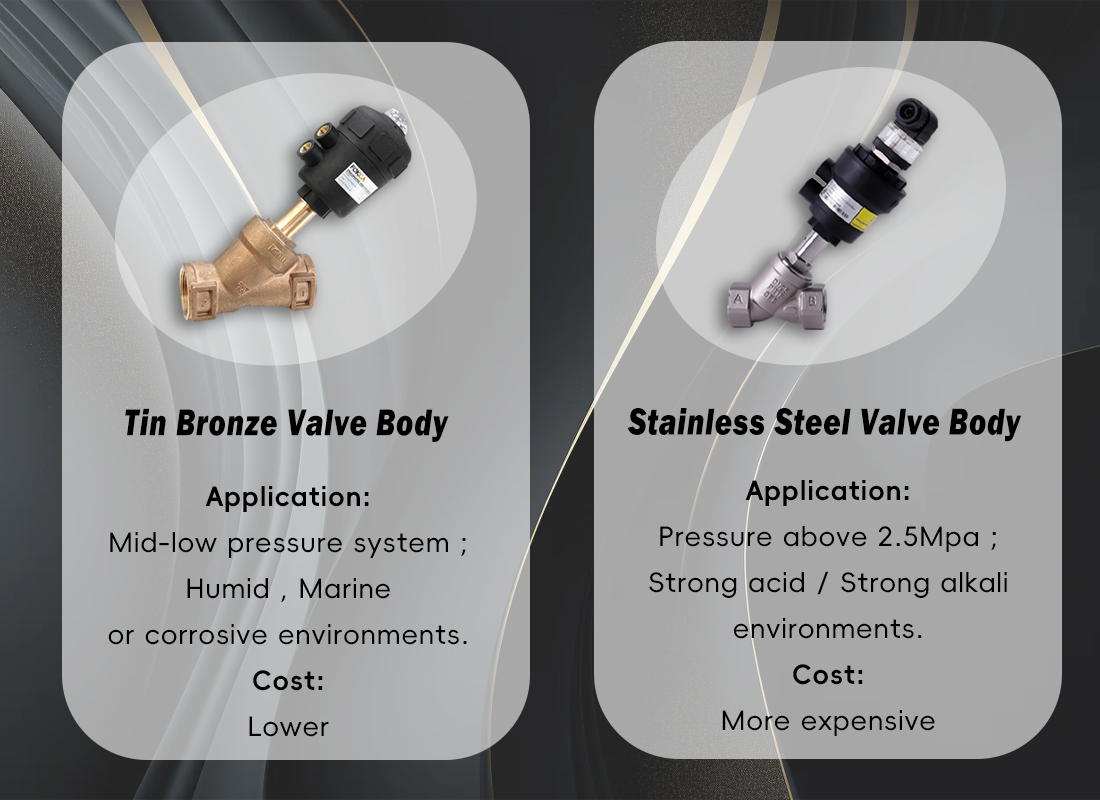
The best material depends on the actual working conditions rather than material strength alone.
Stainless steel is generally preferred for:
● Aggressive chemical media
● High-pressure applications
● Applications requiring high mechanical strength
● Conditions where a specific stainless-steel grade provides better media compatibility
Tin bronze is generally preferred for:
● Marine and humid environments
● Freshwater and steam systems
● Mid-low pressure applications
● Frequent valve operation
● Applications where corrosion resistance and economical maintenance are important
When selecting a valve body material, start with the medium, pressure, temperature, and operating frequency rather than choosing based solely on material price.
For marine, humid, freshwater, or mid-low pressure applications, tin bronze is often a practical choice because of its corrosion resistance and favorable manufacturing cost. For aggressive chemicals or higher-pressure systems, stainless steel may provide a more suitable safety margin.
Before final selection, also verify:
● Working pressure and temperature
● Fluid composition and chloride concentration
● Required valve cycle frequency
● Seal and seat compatibility
● Applicable material and valve standards
The right valve body material should match the complete operating environment. Tin bronze can provide an excellent balance of corrosion resistance, wear performance, manufacturability, and cost, while stainless steel remains a strong choice where higher pressure, chemical resistance, or mechanical strength is the primary concern.
(FK9025)
 Pilot Pressure vs Working Pressure in Industrial Valves: Key Differences and Selection Guide
 Water Hammer Explained: Why Angle Seat Valves Are the Optimal Solution
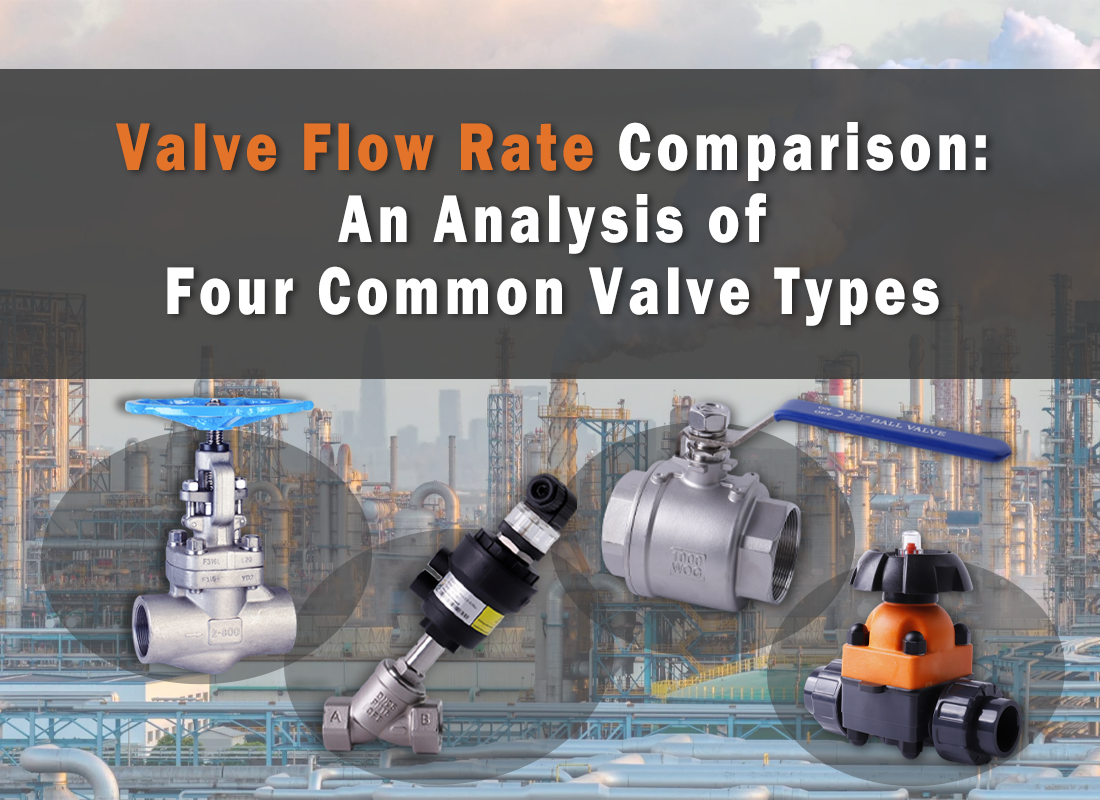 Valve Flow Rate Comparison: An Analysis of Four Common Valve Types
 The Temperature Limit of Valves: How Seal Material Affects Valve Body Performance
 Valve Flow Coefficients CV & KV: Differences Analysis and Selection Guide
You May Interest In
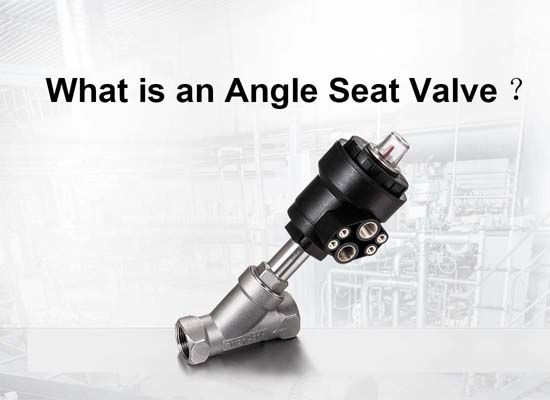
Apr 18, 2025 Blog
What is an Angle Seat Valve?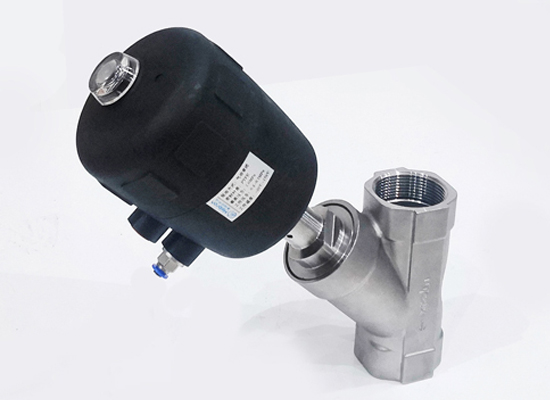
Nov 13, 2025 Blog
How to check valve seat angle?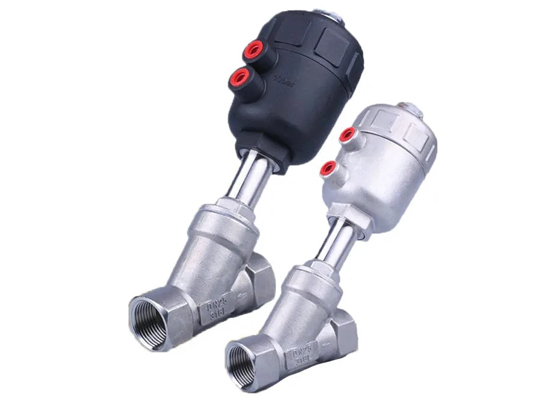
Nov 13, 2025 Blog
What are pneumatic angle seat valves used for?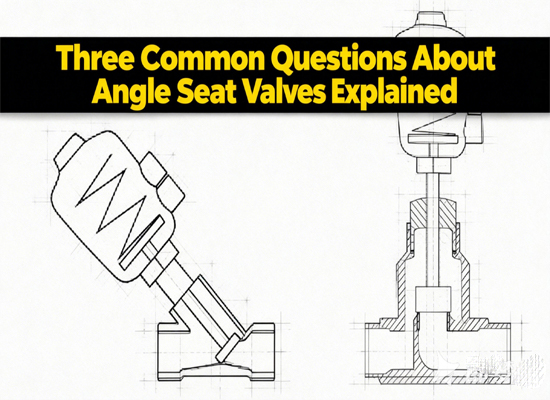

Get a free sample

Fokca is a brand of Ningbo Fokca Automation Co., Ltd.
Looking for custom pneumatic cylinder solutions? Visit our sister brand, Fescolo.→
© 2026 Ningbo Fokca Automation Co., Ltd. All rights reserved. Sitemap