Aug 13, 2026
Pneumatic air tubing, also known as pneumatic tubing, is a core component of compressed air systems. It provides a sealed pathway for transporting compressed air from the air source to valves, cylinders, actuators, and other pneumatic components. The right pneumatic tubing can improve airflow efficiency, reduce pressure loss, simplify installation, and increase overall system reliability.
Whether you are designing a new pneumatic system or replacing existing tubing, understanding material selection, tube size, pressure ratings, installation, and maintenance is essential.
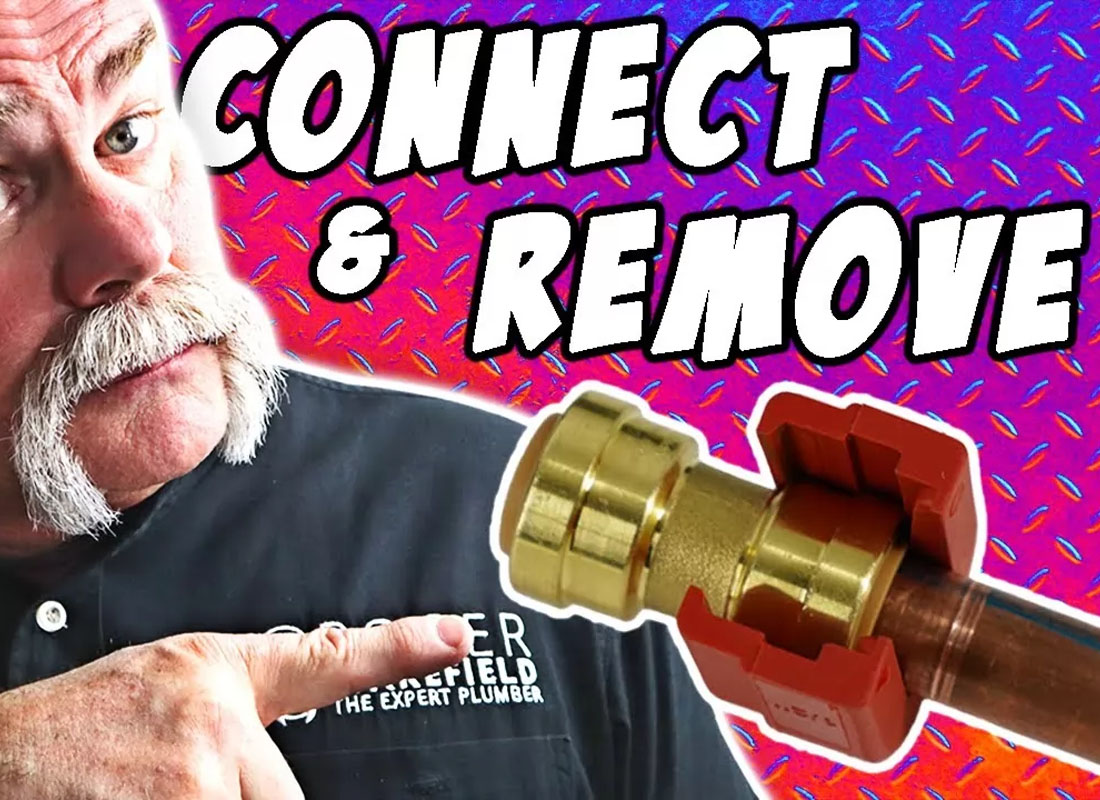
Pneumatic tubing is designed to transport compressed air or inert gases between pneumatic components. It is commonly used with pneumatic push-in fittings or other quick-connect fittings, allowing tubing to be installed and removed quickly without complicated tools.
Compared with rigid metal piping, pneumatic tubing is generally lighter and more flexible. This makes it particularly suitable for automated machinery, robotic equipment, control cabinets, and applications where components move during operation.
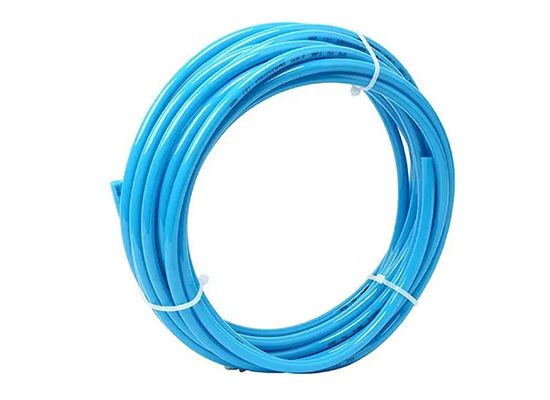
Different pneumatic tubing materials provide different levels of flexibility, pressure resistance, temperature resistance, and chemical resistance.
• PU Tubing: Flexible, lightweight, and highly kink-resistant. It is widely used in automation equipment, robotics, pneumatic cylinders, and moving applications.
• Nylon Tubing: Offers good pressure resistance, dimensional stability, and temperature resistance. It is suitable for automotive equipment, machinery, and industrial pneumatic systems.
• Polyolefin Tubing: Lightweight and available in flame-retardant and heat-shrinkable designs. It is often used for electrical, electronic, and protective applications.
• Fluororesin Tubing: Provides excellent chemical and high-temperature resistance, making it suitable for semiconductor equipment, chemical processing, laboratories, and demanding industrial environments.
• PVC Tubing: Economical and often transparent, making it useful where visual inspection of the medium is important. It is commonly used in low-pressure and general-purpose applications.
• Rubber Hose: Provides excellent flexibility, impact resistance, and durability. It is commonly found in compressors, welding equipment, mining, and heavy-duty applications.
Selecting the correct pneumatic air tubing size is important because tube dimensions directly affect airflow, pressure drop, connection compatibility, and system performance.
Three specifications should be considered:
Outer Diameter (OD): The OD must match the pneumatic fitting. Push-in fittings are generally specified according to the tube's outside diameter.
Inner Diameter (ID): The ID determines the available flow area. A smaller ID can create greater pressure loss, especially in long tubing runs or high-flow applications.
Working Pressure: Select tubing with a working pressure rating higher than the system's maximum operating pressure. Temperature and safety factors should also be considered.
| Nominal Size | Metric Tube Size |
|---|---|
| 1/8" | 3.2 mm |
| 5/32" | 4 mm |
| 3/16" | 6 mm |
| 1/4" | 8 mm |
| 5/16" | 10 mm |
| 3/8" | 12 mm |
| 1/2" | 16 mm |
When selecting pneumatic tubing, always confirm the actual tube OD and ID as well as the fitting specifications. Nominal size references can vary between products and standards.
The main difference between pneumatic tubing and hydraulic piping is the working medium and operating pressure. Pneumatic systems use compressed air or gas and generally operate at much lower pressures than hydraulic systems, which use pressurized liquids.
Pneumatic tubing is typically lighter, more flexible, and easier to install. Hydraulic piping, on the other hand, requires higher mechanical strength and pressure resistance because hydraulic systems operate under substantially higher pressures.
For compressed-air automation systems, pneumatic tubing is usually the more practical choice because it simplifies routing and installation while providing sufficient performance for typical pneumatic applications.
Proper installation helps prevent leakage, excessive pressure loss, and premature tube damage.
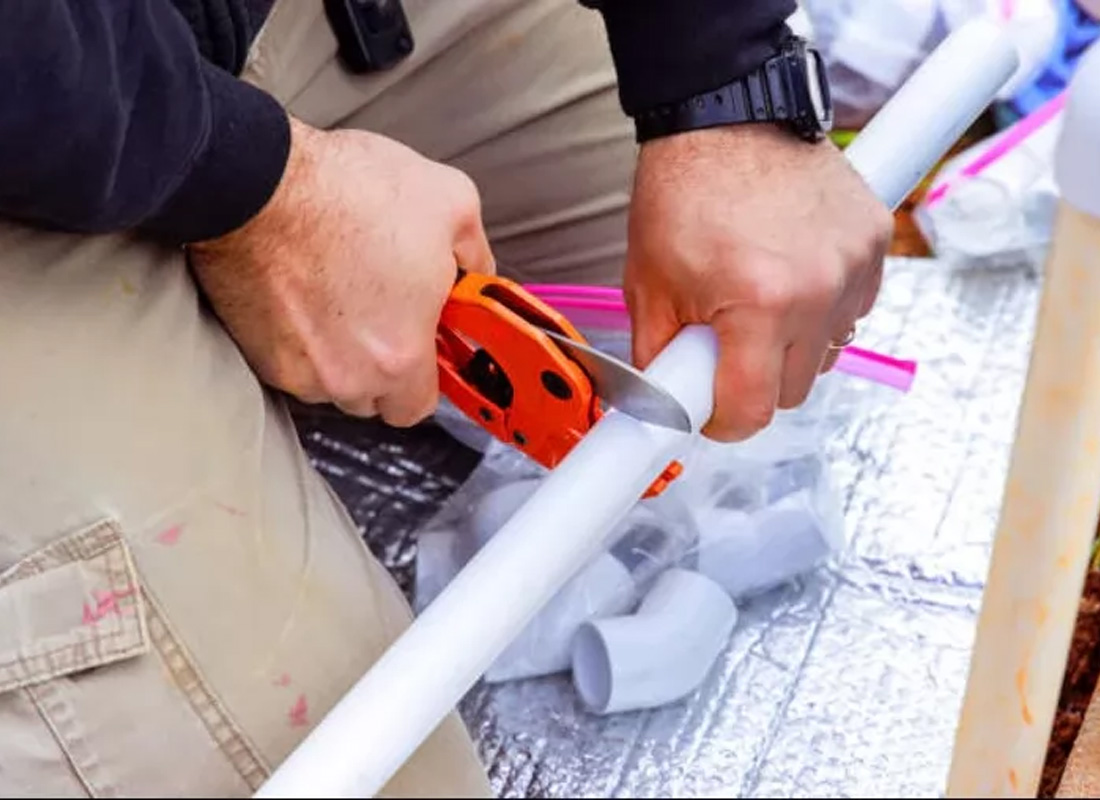
1. Cut the tube cleanly. Use a suitable tube cutter to create a straight, clean end.
2. Clean the connection. Remove dust, oil, and debris from the tubing and fitting.
3. Insert the tube straight into the fitting. Push it fully into the fitting until it reaches the proper insertion depth.
4. Avoid excessive bending. Follow the manufacturer's minimum bending radius and use elbow fittings or bend sleeves where necessary.
5. Keep tubing away from heat sources. Excessive temperatures can accelerate material aging and reduce pressure performance.
6. Secure moving tubing. In robotic or dynamic applications, provide sufficient slack and prevent rubbing or repeated sharp bending.
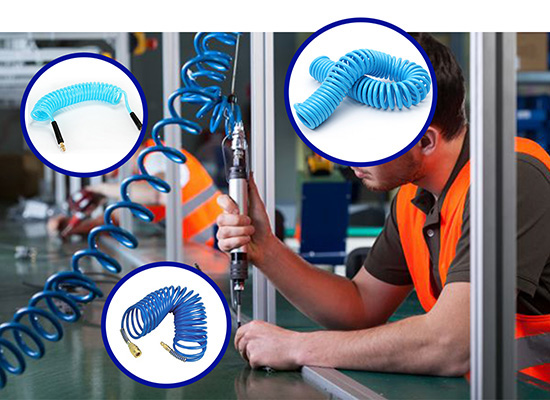
Regular inspection can help identify problems before they affect the entire pneumatic system. Check tubing for cracks, deformation, discoloration, abrasion, and signs of aging. Fittings and connectors should also be inspected for looseness and air leakage.
If an actuator moves slowly, check for air leaks, undersized tubing, excessive tubing length, clogged filters, or insufficient supply pressure. If tubing repeatedly disconnects from push-in fittings, check whether the tube has been cut squarely and whether the tube OD matches the fitting specification.
Pneumatic tubing is widely used in industrial automation, robotic systems, packaging machinery, automotive manufacturing, assembly equipment, pneumatic control systems, and laboratory equipment. Flexible PU tubing is particularly useful for applications involving frequent movement, while nylon and fluororesin tubing are better suited to higher-temperature or chemically demanding environments.
Choosing the correct material, size, pressure rating, and fitting combination ensures reliable airflow and helps extend the service life of the entire pneumatic system.
(FK9026)
 Pilot Pressure vs Working Pressure in Industrial Valves: Key Differences and Selection Guide
 Water Hammer Explained: Why Angle Seat Valves Are the Optimal Solution
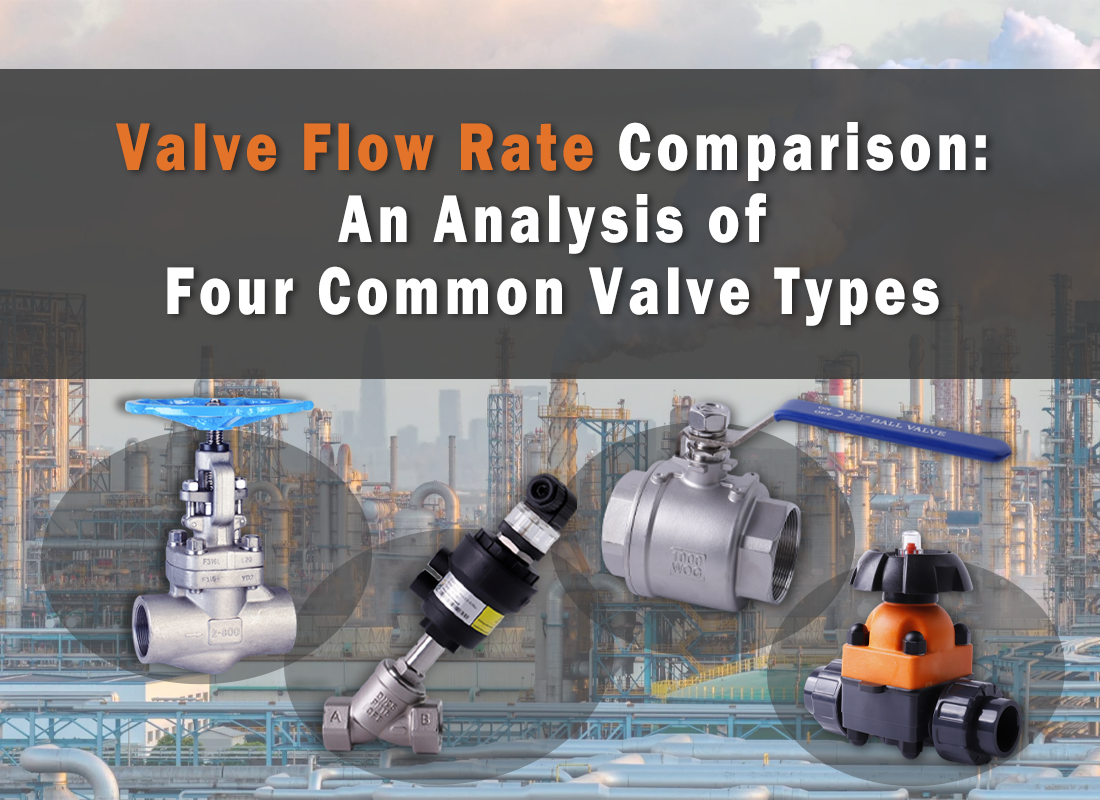 Valve Flow Rate Comparison: An Analysis of Four Common Valve Types
 The Temperature Limit of Valves: How Seal Material Affects Valve Body Performance
 Valve Flow Coefficients CV & KV: Differences Analysis and Selection Guide
You May Interest In

Dec 02, 2025 Blog
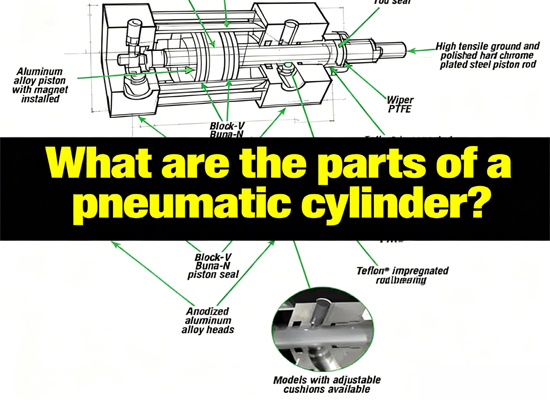
What are the parts of a pneumatic cylinder?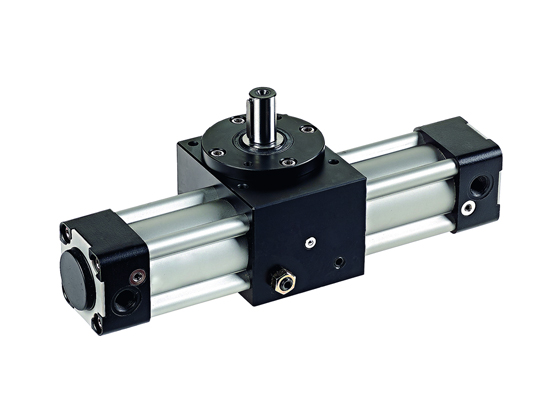


Apr 18, 2025 Blog
What is an Angle Seat Valve?
Get a free sample

Fokca is a brand of Ningbo Fokca Automation Co., Ltd.
Looking for custom pneumatic cylinder solutions? Visit our sister brand, Fescolo.→
© 2026 Ningbo Fokca Automation Co., Ltd. All rights reserved. Sitemap