Aug 12, 2026
Polyurethane (PU) is a material known for combining flexibility, elasticity, and durability. It is widely used in everyday products such as sofas, automotive components, shoe insoles, and refrigerator gaskets. In industrial applications, PU also plays an important role in automation, manufacturing, packaging, and automotive assembly—especially in pneumatic tubing for compressed air transmission.
Among the most common polyurethane tubing materials, polyurethane ether tubing and polyester PU tubing are widely used in different operating conditions. Polyurethane ether tubing is particularly valued for its flexibility, hydrolysis resistance, and long-term performance in dynamic pneumatic systems.
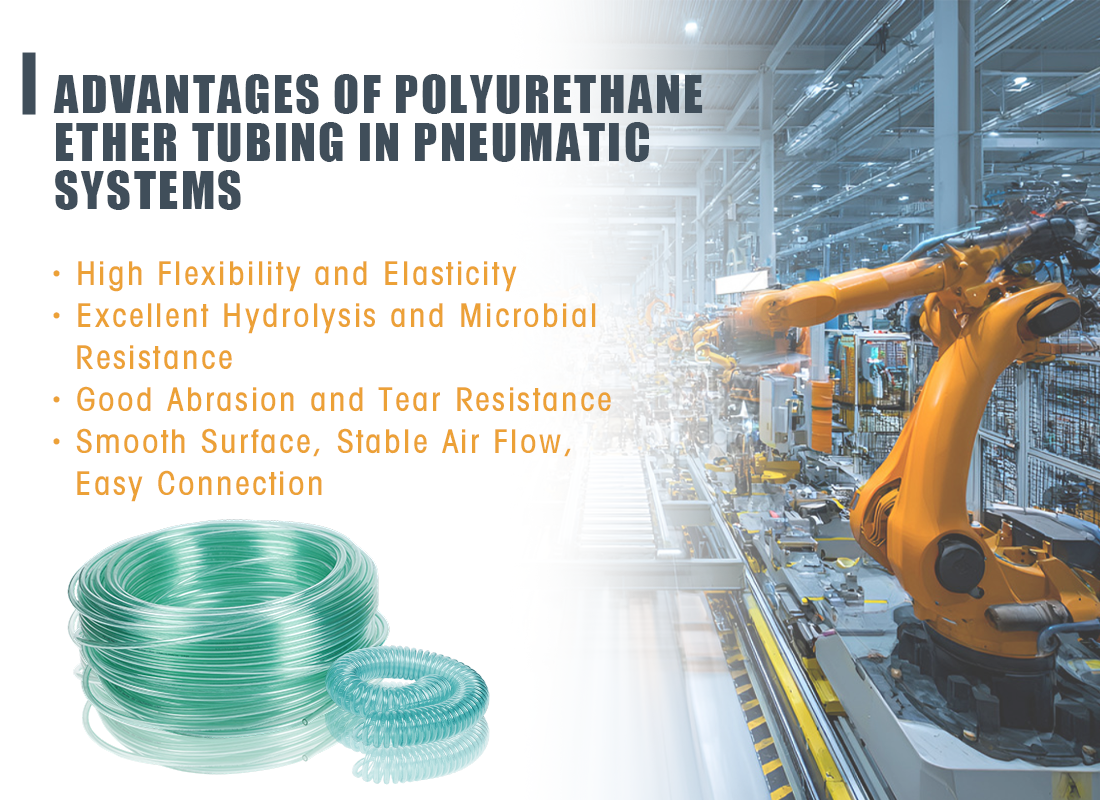
One of the key advantages of polyurethane ether tubing is its excellent flexibility and elasticity. The tubing can be bent and routed through limited spaces while maintaining its shape and performance without easily kinking.
This makes Polyurethane ether Tubing an ideal choice for pneumatic applications where tubing moves together with cylinders, robotic arms, grippers, or other machine components.
Moisture is an important consideration in pneumatic systems because compressed air can contain water vapor, and condensation may occur during operation. Tubing exposed to moisture for extended periods needs sufficient resistance to hydrolysis to prevent premature degradation.
The ether linkage in polyether polyurethane provides strong hydrolysis resistance. As a result, Polyurethane ether Tubing performs reliably in humid environments and is less likely to become brittle or deteriorate after prolonged exposure to moisture.
Pneumatic tubing used in automation equipment often experiences repeated bending, vibration, pulling, and friction. A tubing material with good mechanical strength is therefore essential.
Polyurethane ether tubing combines flexibility with good abrasion and tear resistance. It can withstand repeated movement and mechanical stress, making it suitable for dynamic pneumatic transmission applications where conventional rigid tubing may be less practical.
The extrusion process of polyurethane tubing can produce a smooth and uniform tube surface. Combined with precise dimensional control, this helps maintain consistent inner and outer diameters.
A smooth inner surface supports efficient compressed-air flow, while accurate outer-diameter tolerances provide reliable insertion and sealing when the tube is used with pneumatic push in fittings. This makes installation quick and helps reduce the risk of leakage caused by poor tube-to-fitting connections.
Because of its flexibility and resistance to moisture and repeated movement, polyurethane ether tubing is widely used in:
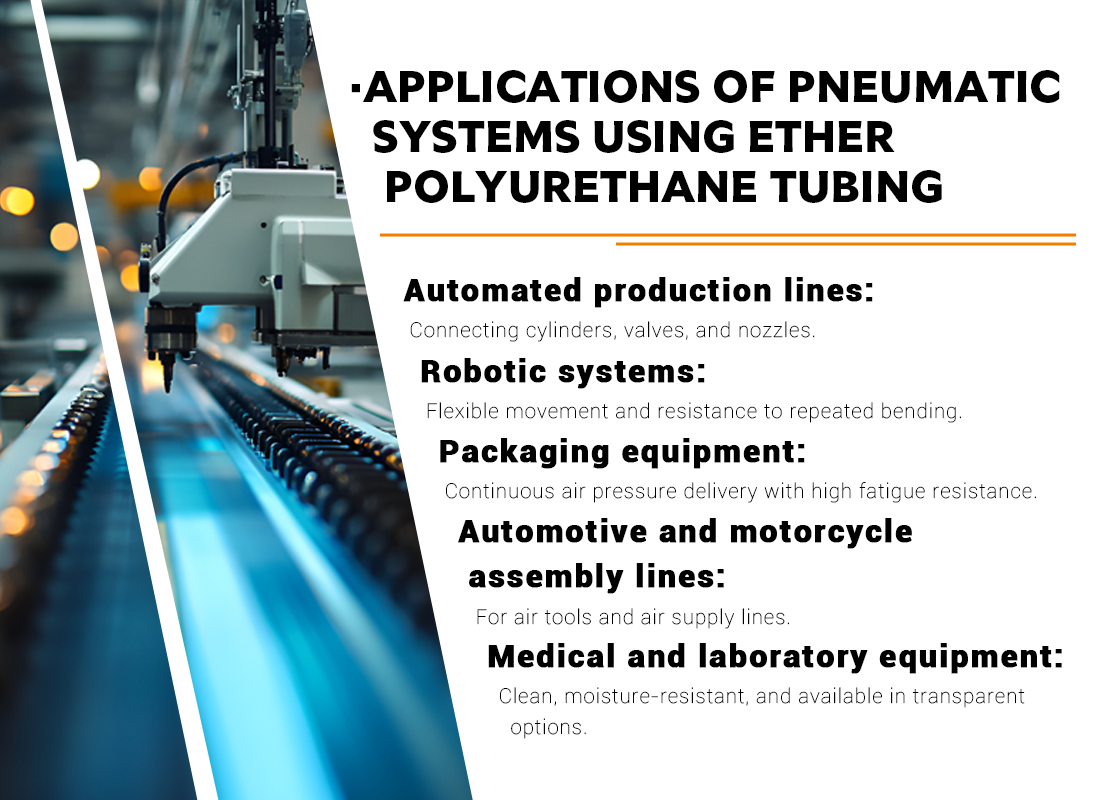
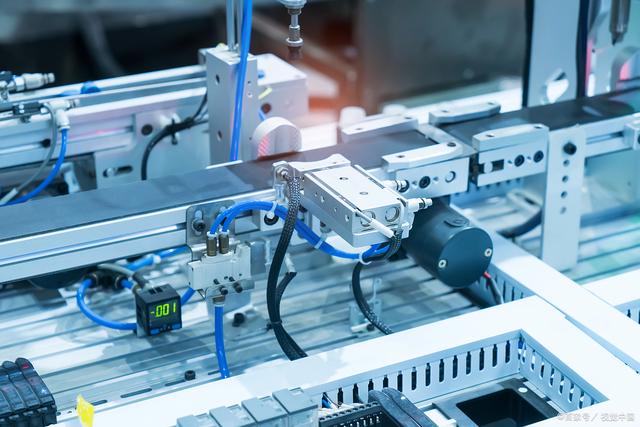
1.Automated production lines: Connecting pneumatic cylinders, valves, air nozzles, and other components.
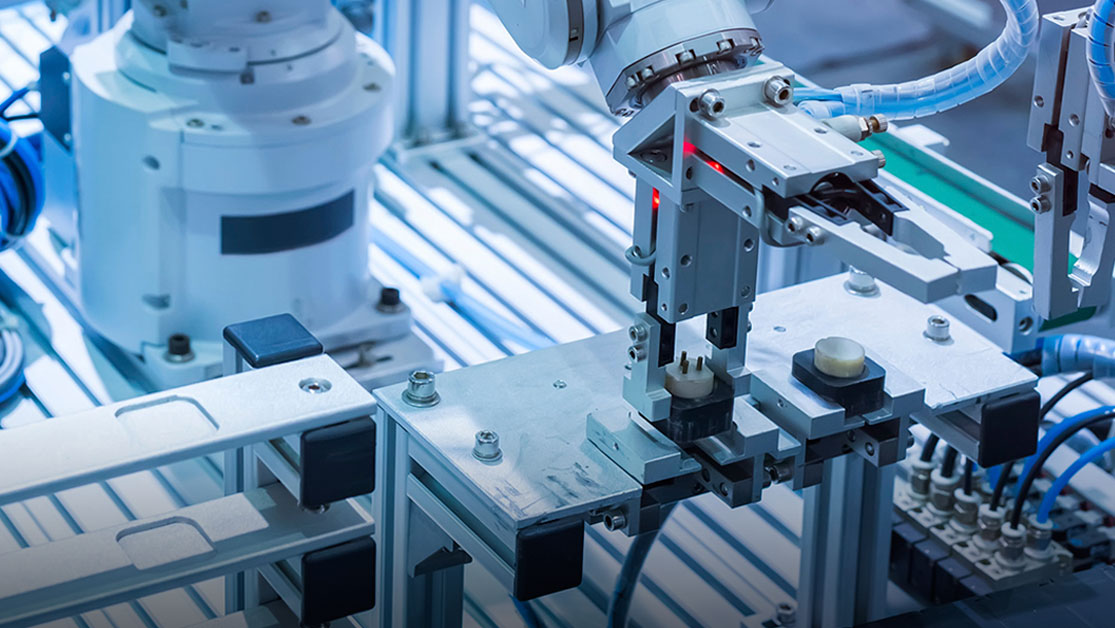
2.Robotic systems: Supporting continuous movement, bending, and routing around moving joints.
3.Packaging equipment: Providing stable compressed-air transmission during continuous machine operation.
4.Automotive and motorcycle assembly: Supplying air to pneumatic tools, actuators, and production equipment.
5.Medical and laboratory equipment: Used where flexible, clean, and moisture-resistant tubing is required, with transparent options available for applications requiring visual inspection.
Choosing between polyurethane ether and polyester PU tubing depends largely on the working environment and movement requirements.
Polyester PU Tubing generally offers high strength and excellent resistance to oils and solvents. Its relatively rigid structure and strong wear resistance make it suitable for applications where tubing is exposed to oil contamination, friction, or other demanding mechanical conditions, particularly in fixed installations.
Polyurethane ether Tubing, in comparison, is softer, more flexible, and easier to route. Its excellent hydrolysis resistance makes it well suited to humid environments, while its flexibility and anti-kink properties make it particularly suitable for dynamic pneumatic air lines that repeatedly move, bend, or flex.
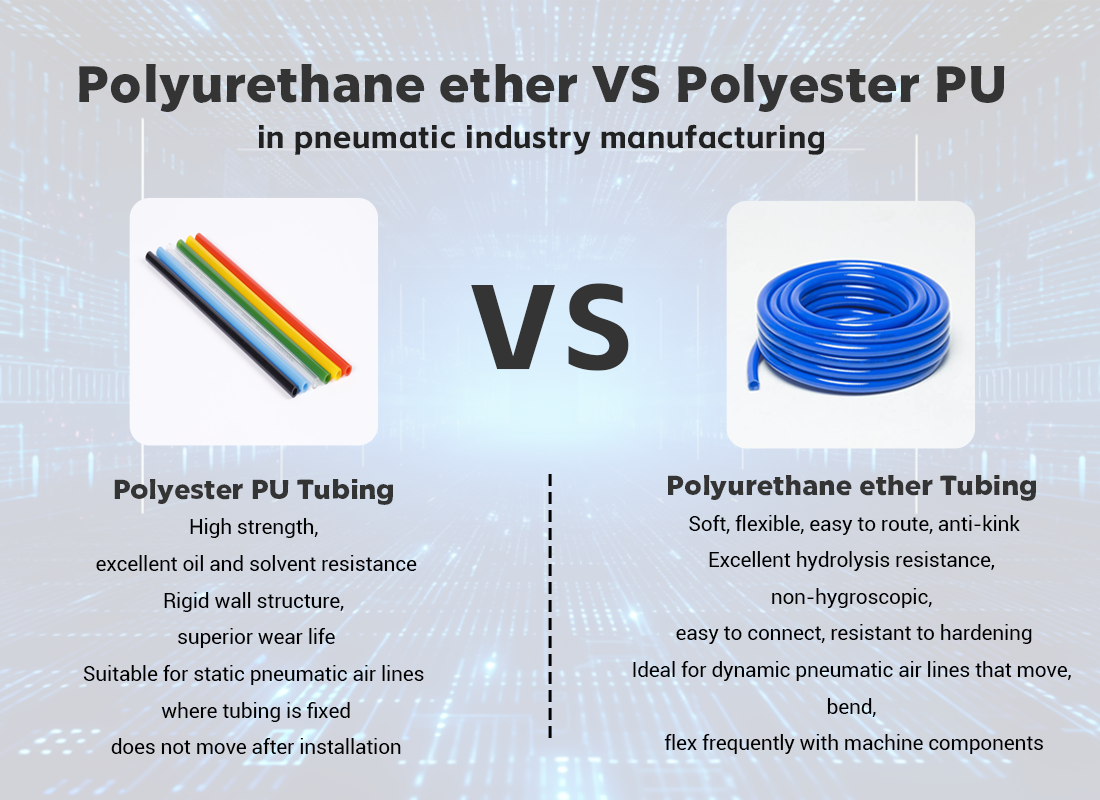
In practical pneumatic applications, polyurethane ester PU tubes are often preferred where high abrasion resistance, oil resistance, and mechanical strength are the primary requirements. Polyurethane ether PU tubes, on the other hand, are a strong choice when flexibility, hydrolysis resistance, and repeated movement are more important.
For standard compressed-air systems, automated machinery, robotic equipment, and applications exposed to humidity, Polyurethane ether Tubing provides a balanced combination of flexibility, durability, and long-term reliability. Selecting the right PU tubing according to movement, moisture, oil exposure, and installation conditions can significantly improve pneumatic system performance and service life.
(FK9026)
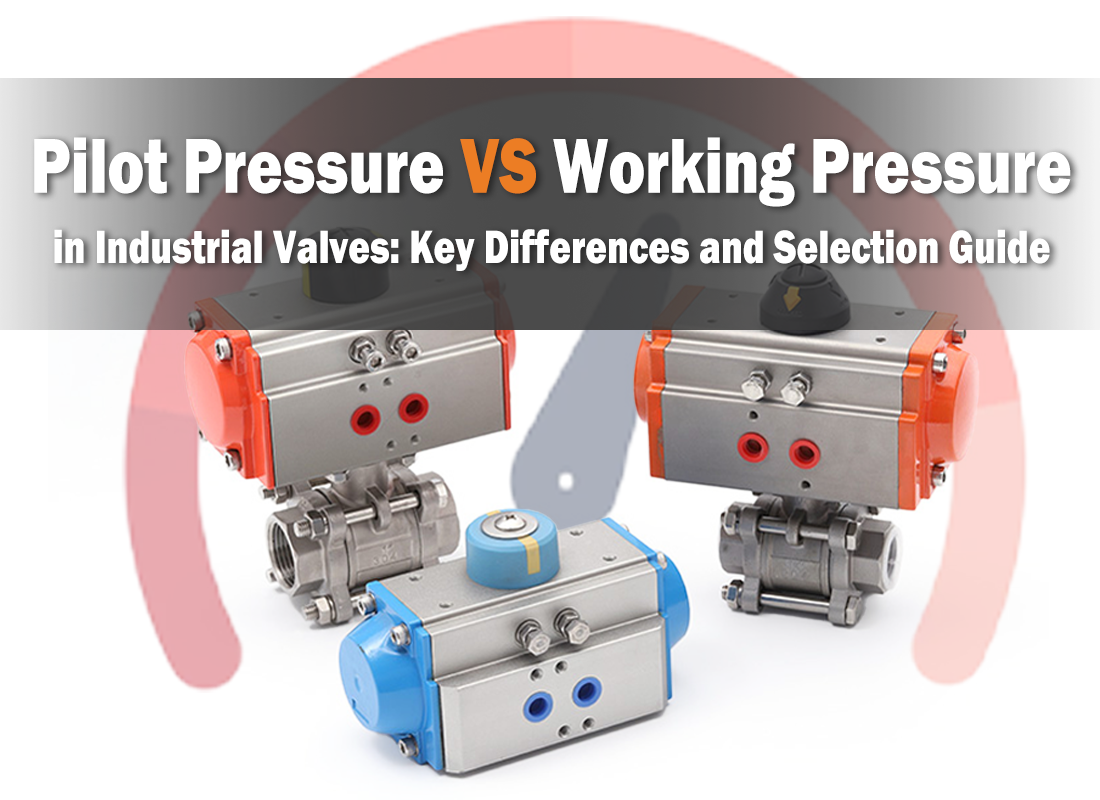 Pilot Pressure vs Working Pressure in Industrial Valves: Key Differences and Selection Guide
 Water Hammer Explained: Why Angle Seat Valves Are the Optimal Solution
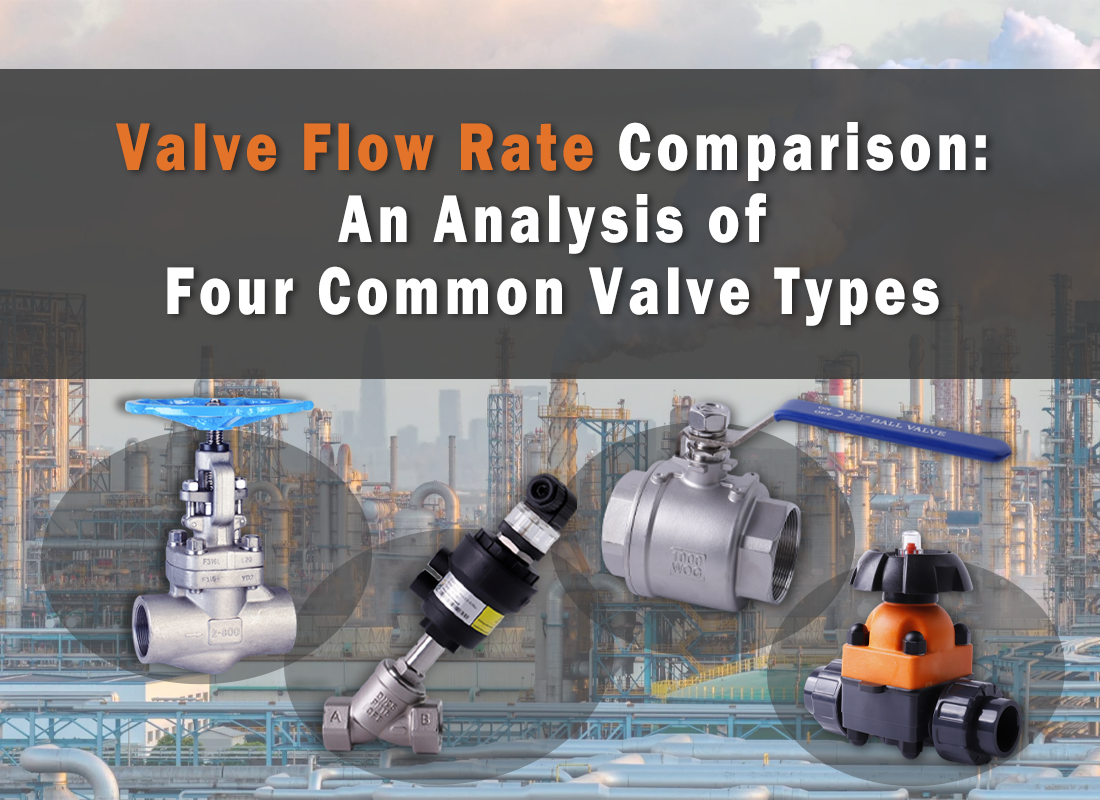 Valve Flow Rate Comparison: An Analysis of Four Common Valve Types
 The Temperature Limit of Valves: How Seal Material Affects Valve Body Performance
 Valve Flow Coefficients CV & KV: Differences Analysis and Selection Guide
You May Interest In

Dec 02, 2025 Blog
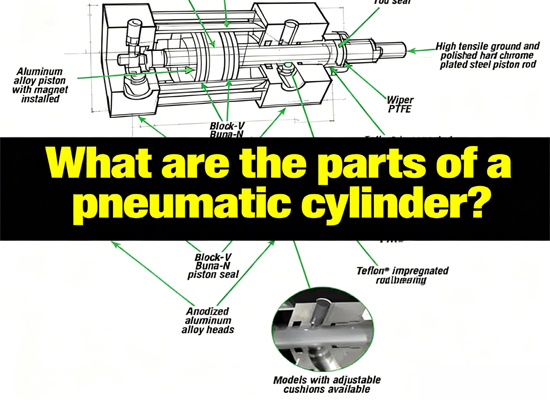
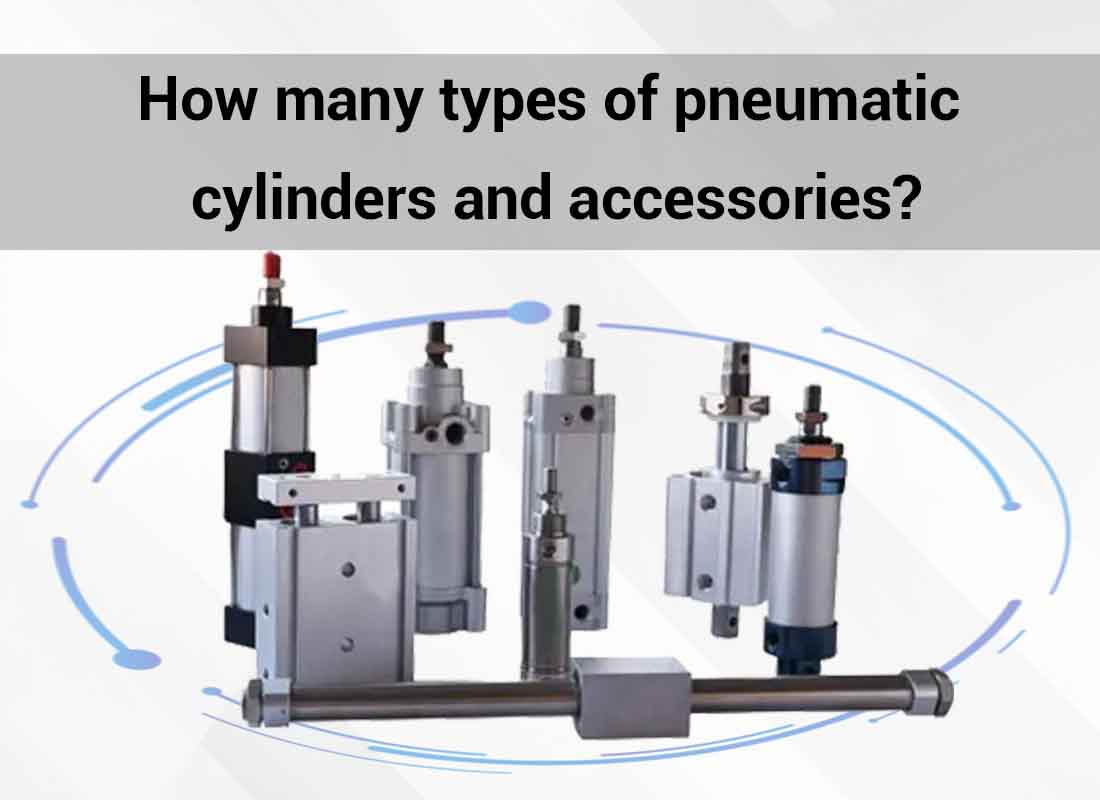
What are the parts of a pneumatic cylinder?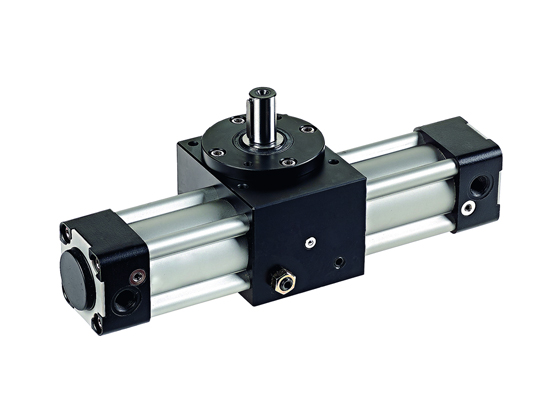
Apr 18, 2025 Blog
What is an Angle Seat Valve?
Get a free sample

Fokca is a brand of Ningbo Fokca Automation Co., Ltd.
Looking for custom pneumatic cylinder solutions? Visit our sister brand, Fescolo.→
© 2026 Ningbo Fokca Automation Co., Ltd. All rights reserved. Sitemap