Aug 10, 2026
Polyurethane tubing is widely used in pneumatic systems because of its excellent flexibility, abrasion resistance, and mechanical strength. Based on the type of polyol used during manufacturing, polyurethane tubing is mainly divided into ester-based polyurethane tubing and ether-based polyurethane tubing.
Although both materials have similar basic properties, their molecular structures create differences in hydrolysis resistance, flexibility, wear resistance, chemical stability, and service life. Choosing the right type depends on the actual working environment.
The main difference between ester-based and ether-based polyurethane comes from their molecular chains.
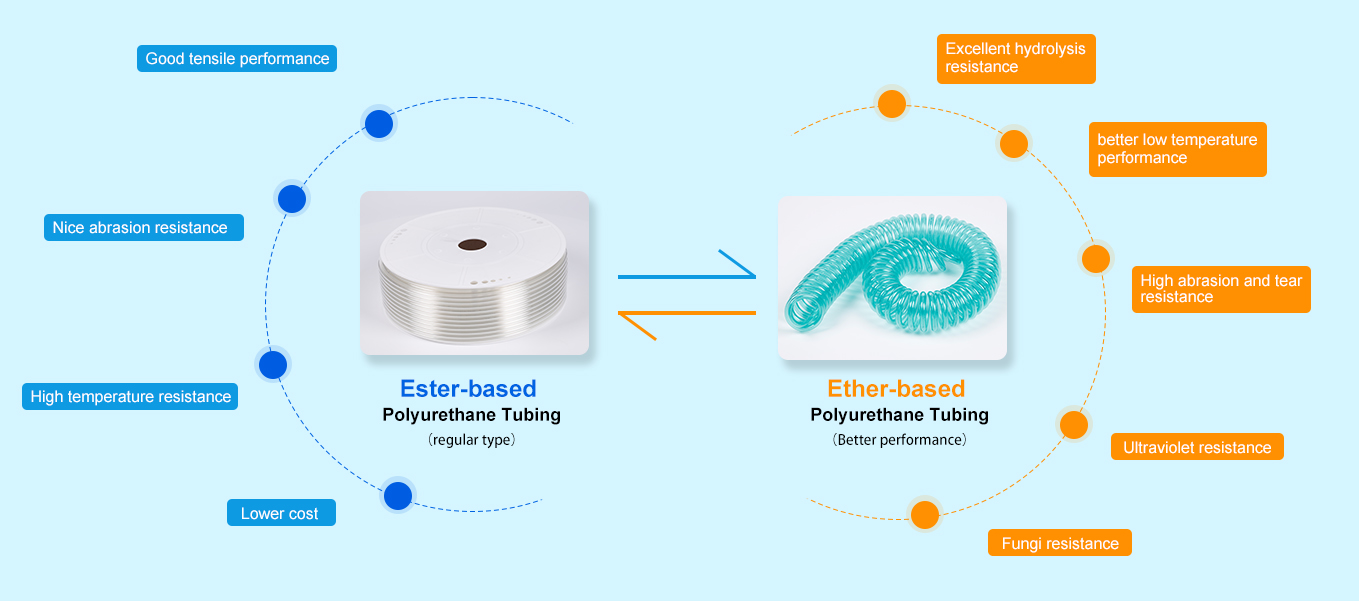
Ester-based polyurethane tubing contains ester bonds, which create a more rigid molecular structure with stronger intermolecular forces. This structure provides excellent mechanical strength, tensile resistance, and abrasion resistance.
Ether-based polyurethane tubing contains ether bonds, which have more flexible molecular chains and better mobility. This gives ether PU tubing superior flexibility, low-temperature performance, and hydrolysis resistance.
In simple terms:
1. Ester PU tubing focuses on strength, durability, and cost efficiency.
2. Ether PU tubing focuses on flexibility, moisture resistance, and harsh-environment performance.
| Ester-Based PU vs Ether-Based PU | ||
Tensile strength | Excellent | Good |
Tear resistance | Excellent | Good |
Abrasion resistance | Excellent | Good |
Transparency | Better | Moderate |
Hydrolysis resistance | Moderate | Excellent |
Microbial resistance | Lower | Higher |
Low-temperature flexibility | Moderate | Excellent |
Material cost | Lower | Higher |
Ester-based polyurethane tubing uses polyester polyol as its main soft segment. The compact ester structure improves hardness, strength, and wear resistance.
● High tensile strength
● Excellent abrasion resistance
● Good dimensional stability
● More economical material cost
Because of these advantages, ester PU tubing is commonly used in standard industrial applications such as pneumatic automation equipment, assembly machines, robotic systems, and indoor production lines.
The ester bond is more sensitive to water molecules, making polyester polyurethane less resistant to hydrolysis. Long-term exposure to moisture, high humidity, or water may cause material aging and reduced service life.
Ether-based polyurethane tubing is made from polyether polyol. Its flexible ether bonds allow molecular chains to move more freely, resulting in better elasticity and environmental resistance.
● Excellent hydrolysis resistance
● Better low-temperature flexibility
● Higher resistance to microbial degradation
● Good long-term stability in humid environments
Ether PU tubing is suitable for applications involving water, outdoor conditions, refrigeration systems, and equipment operating in cold climates.
Compared with ester-based tubing, ether PU tubing generally has lower abrasion resistance and higher material costs.
The different performance characteristics come from the soft segment structure of polyurethane.
Polyether polyurethane contains flexible ether chains with weaker molecular interactions, allowing better chain movement. This improves flexibility and resistance to low temperatures.
Polyester polyurethane contains polar ester groups that create stronger molecular bonding. This increases mechanical strength and wear resistance but makes the material more vulnerable to hydrolysis.
Therefore:
1. Strong molecular bonding → better strength and wear resistance
2. Flexible molecular structure → better environmental adaptability
Hydrolysis resistance is one of the biggest differences between the two materials.
Ester-based PU tubing may gradually degrade when exposed to continuous moisture or high temperatures because water can attack ester bonds.
Ether-based PU tubing has a more stable molecular structure and can maintain performance in wet environments for longer periods.
For applications such as water treatment equipment, outdoor pneumatic systems, and humid production environments, ether-based tubing is usually the preferred choice.
Choose ester-based polyurethane tubing when you need:
● High abrasion resistance
● Strong mechanical performance
● Lower material cost
● Stable indoor operation
Choose ether-based polyurethane tubing when you need:
● Excellent hydrolysis resistance
● Low-temperature flexibility
● Outdoor durability
● Longer service life in humid environments
Different applications require different tubing properties. FOKCA provides customized polyurethane tubing solutions, including ester-based PU tubing, ether-based PU tubing, food-grade PU tubing, flame-resistant hoses, and braided polyurethane hoses.
With professional engineering support, we can help customers select suitable materials, sizes, and specifications according to working pressure, temperature range, installation conditions, and application requirements.
The right polyurethane tubing is not simply the strongest option—it is the one that matches your operating environment and delivers reliable performance over time.
(FK9026)
 Pilot Pressure vs Working Pressure in Industrial Valves: Key Differences and Selection Guide
 Water Hammer Explained: Why Angle Seat Valves Are the Optimal Solution
 Valve Flow Rate Comparison: An Analysis of Four Common Valve Types
 The Temperature Limit of Valves: How Seal Material Affects Valve Body Performance
 Valve Flow Coefficients CV & KV: Differences Analysis and Selection Guide
You May Interest In

Dec 02, 2025 Blog
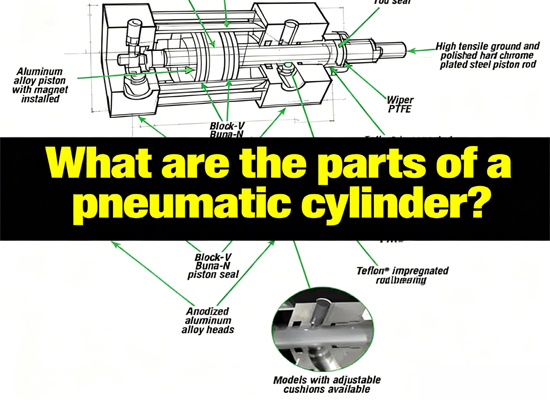
What are the parts of a pneumatic cylinder?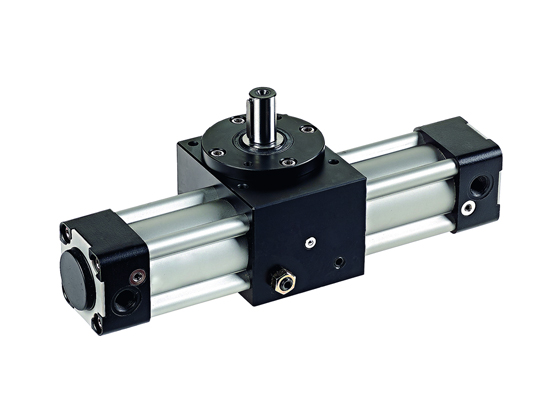
Apr 18, 2025 Blog
What is an Angle Seat Valve?
Get a free sample

Fokca is a brand of Ningbo Fokca Automation Co., Ltd.
Looking for custom pneumatic cylinder solutions? Visit our sister brand, Fescolo.→
© 2026 Ningbo Fokca Automation Co., Ltd. All rights reserved. Sitemap