Aug 28, 2026
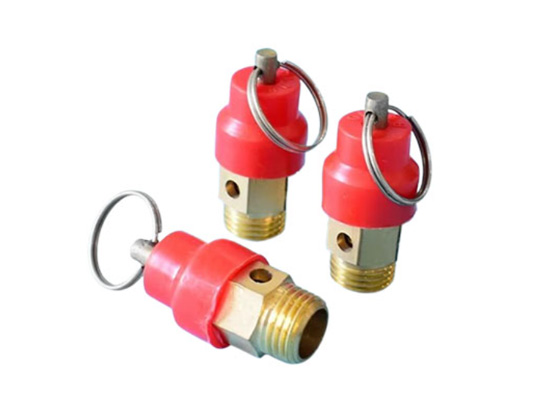
A safety valve is an automatic pressure-protection device that prevents pressurized equipment from exceeding its permitted pressure limit. It responds directly to the pressure of the working medium and opens when system pressure reaches a predetermined setpoint. By releasing excess steam, gas, or other compatible fluids, it helps protect pipelines, boilers, pressure vessels, and process equipment from damage caused by overpressure.
Unlike a pressure regulator, which controls downstream operating pressure during normal operation, a safety valve serves a protective function. It remains closed under normal conditions and activates only when pressure reaches its specified opening point. Once pressure falls sufficiently, the valve reseats and stops the discharge.
Safety valves are widely used in oil and gas processing, chemical production, power generation, pharmaceutical manufacturing, and other industries involving pressurized systems.
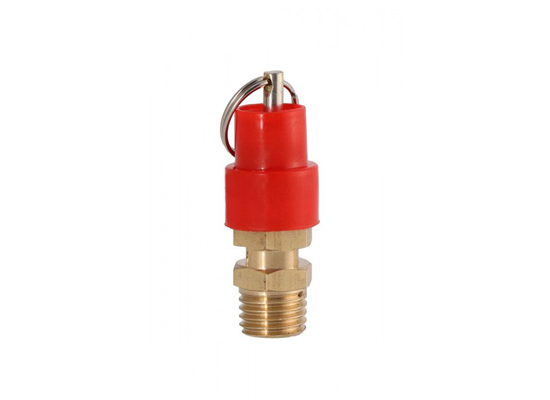
Safety valves provide several important benefits for industrial pressure systems:
● Automatic overpressure protection: Opens when pressure reaches the setpoint, helping prevent equipment failure and dangerous pressure buildup.
● Independent operation: Conventional spring-loaded designs operate without external electrical power or control signals.
● Robust construction: Their mechanical structure supports dependable operation under specified service conditions.
● Rapid pressure relief: Suitable designs can discharge excess pressure quickly enough to help protect equipment during abnormal operating conditions.
● Reduced operational risk: Properly selected and maintained valves help limit equipment damage, unplanned shutdowns, and safety incidents.
These benefits depend on correct sizing, installation, operating conditions, and regular inspection.
Safety valves are essential wherever excessive pressure could threaten equipment or personnel.
| Industry | Typical applications |
| Boilers and pressure vessels | Steam boilers, autoclaves, and storage vessels |
| Oil and gas | Compressors, pipelines, separators, and processing equipment |
| Chemical processing | Reactors, heat exchangers, and pressurized tanks |
| Power generation | Boilers, steam systems, and auxiliary equipment |
| Water and wastewater | Pumping systems, filters, and pressure vessels |
| Food and pharmaceutical production | Steam equipment and pressurized processing systems |
| Fire protection | Pressure-control and protection arrangements where required by system design |
The valve's body material, seal arrangement, pressure rating, and discharge configuration must be compatible with the actual medium and operating environment.
A conventional spring-loaded safety valve uses a spring to keep the valve disc pressed against its seat. System pressure acts on the effective area of the disc, creating an upward force that opposes the spring force.
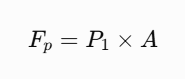
The basic operating relationship can be expressed as:
Where:
●  is the pressure force acting on the disc.
●  is the inlet system pressure.
●  is the effective pressure area.
The operating process follows three main stages:
① Normal operation: When system pressure is below the set pressure, spring force exceeds the pressure force. The disc remains seated, preventing fluid from escaping.
② Opening and discharge: As pressure rises to the setpoint, the upward pressure force overcomes the spring force and the valve begins to open. Depending on its design, it may open rapidly to release excess fluid through the outlet.
③ Reseating: As pressure decreases, the spring pushes the disc back toward its seat. The valve closes when pressure reaches its specified reseating condition.
The difference between opening pressure and reseating pressure is commonly called blowdown. Its value depends on valve design and applicable requirements. Actual opening and discharge performance must be verified against the manufacturer's specifications.
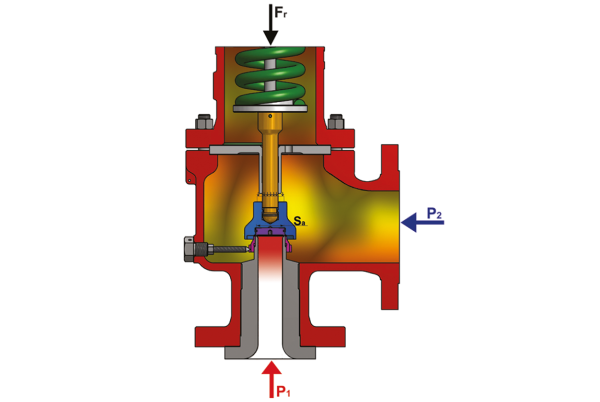
Different designs are used to meet specific pressure-protection requirements:
● Spring-loaded safety valve: Uses a calibrated spring to resist inlet pressure. It is widely used in boilers, pressure vessels, and industrial pipelines.
● Pilot-operated safety valve: Uses a pilot mechanism to control the main valve. It can offer precise pressure control and is suitable for certain high-pressure or demanding applications.
● Balanced bellows safety valve: Incorporates a bellows to reduce the influence of back pressure on opening performance. It is useful where discharge-system pressure could affect conventional valve operation.
The appropriate design depends on the fluid, set pressure, required discharge capacity, back pressure, and operating conditions.
Safety valves must comply with the regulations and standards applicable to their equipment and installation location. Common references include ASME Boiler and Pressure Vessel Code, API 520 and API 526, and the ISO 4126 series. These standards address areas such as valve design, sizing, selection, testing, and installation. The applicable requirements depend on the equipment type and local regulations.
Regular maintenance is equally important. Inspection should cover leakage, corrosion, deposits, spring condition, connection integrity, and discharge piping. Set pressure and operating performance should be verified by qualified personnel using approved procedures. Never adjust or disable a safety valve without authorization, as incorrect settings can compromise the entire pressure-protection system.
A correctly selected, installed, and maintained safety valve provides an essential layer of protection for pressurized equipment. Its performance depends not only on the valve itself, but also on accurate sizing, suitable discharge arrangements, compliance with relevant standards, and a consistent inspection program.
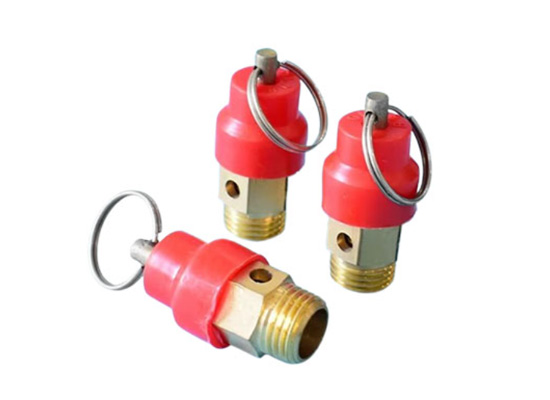 The Complete Guide to Safety Valves: Types, Operation, Standards & Maintenance
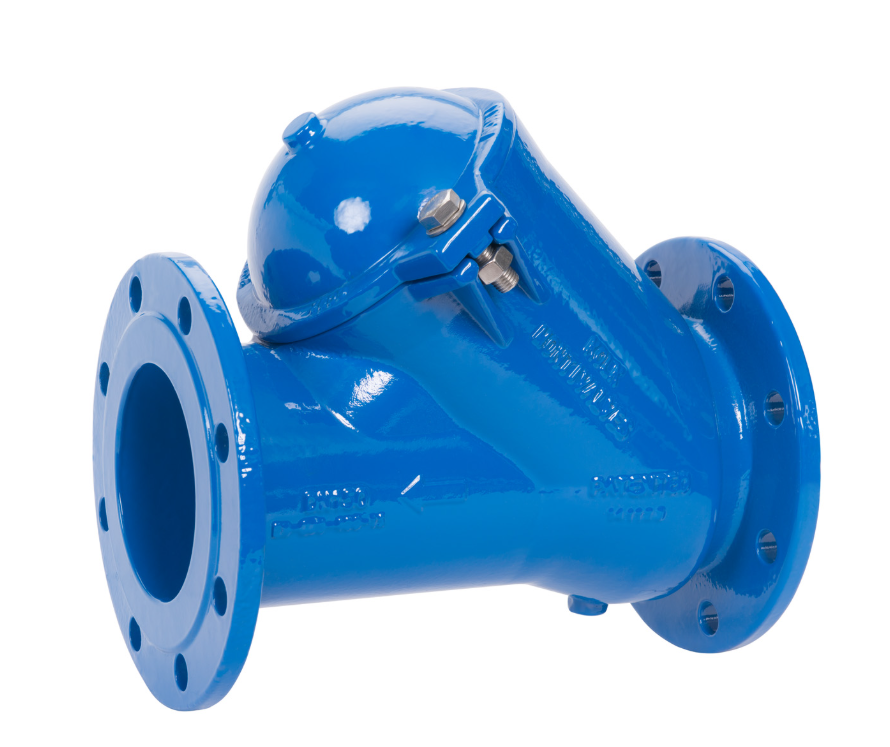 The Ultimate Guide to Check Valves: How They Work, Common Mistakes, and Smart Selection Tips
 Mastering Precision: Why Air Pressure Regulators Are Essential in Pneumatic Systems
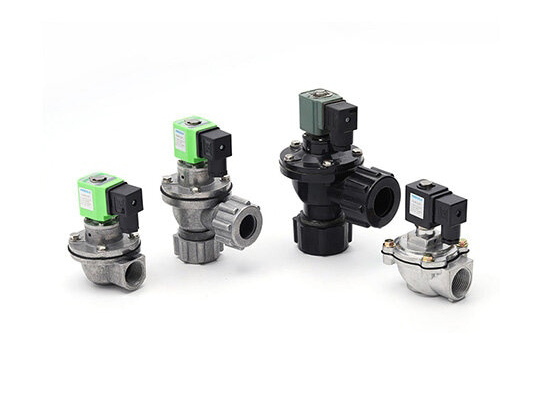 How Pilot-Operated Pulse Solenoid Valves Improve Dust Collection Efficiency
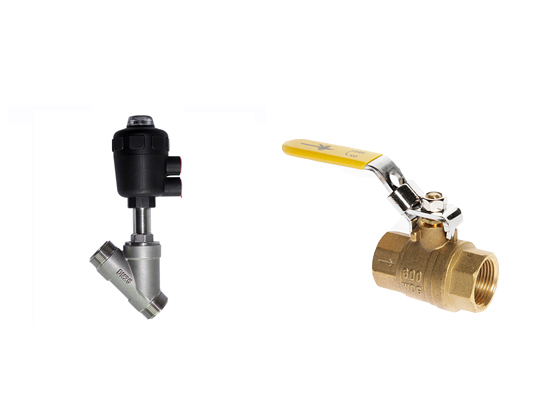 Angle Seat Valve vs Ball Valve: Which Is Better for Automated Production Lines?
You May Interest In

Dec 02, 2025 Blog
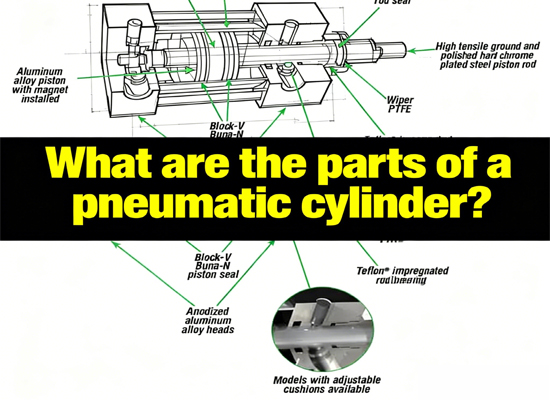
What are the parts of a pneumatic cylinder?
Apr 18, 2025 Blog
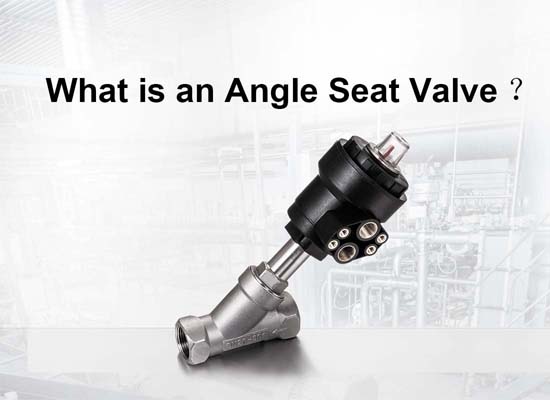
What is an Angle Seat Valve?
Get a free sample

Fokca is a brand of Ningbo Fokca Automation Co., Ltd.
Looking for custom pneumatic cylinder solutions? Visit our sister brand, Fescolo.→
© 2026 Ningbo Fokca Automation Co., Ltd. All rights reserved. Sitemap




 None