Aug 27, 2026
In a compressed air network, different machines rarely operate under identical pressure requirements. A clamping cylinder may need a different working pressure from a pneumatic gripper or spray gun. Meanwhile, pressure variations caused by compressor cycling, long pipelines, and changing air consumption can affect equipment performance.
An air pressure regulator helps solve this problem by reducing inlet pressure and maintaining a controlled downstream pressure. It allows individual machines or production zones to receive compressed air at a suitable working level, improving process consistency and protecting pneumatic components.
An air pressure regulator, also called a pneumatic pressure reducing valve, is a device that controls the outlet pressure of compressed air. It reduces a higher inlet pressure to a selected downstream setting and automatically adjusts its opening as operating conditions change.
Unlike a simple shutoff valve, a regulator responds to changes in downstream pressure. This makes it an essential component in air preparation units, pneumatic control circuits, and industrial automation systems.
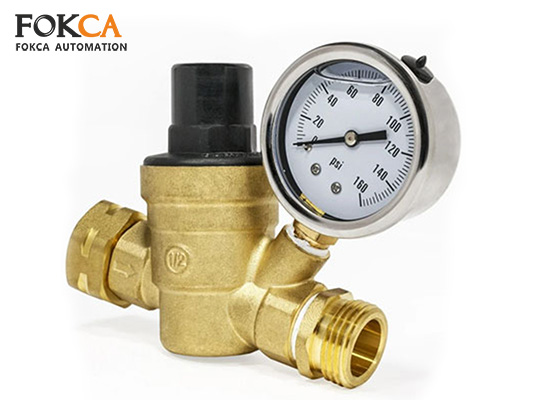
Most conventional pneumatic regulators use a spring-loaded diaphragm or piston mechanism to balance mechanical force against downstream air pressure.
The main components typically include:
● Adjustment knob or screw: Changes spring compression to set the desired outlet pressure.
● Regulating spring: Provides the force that controls valve opening.
● Diaphragm or piston: Responds to changes in downstream pressure.
● Valve seat and poppet: Control the compressed-air passage.
● Body: Houses the internal mechanism and air connections.
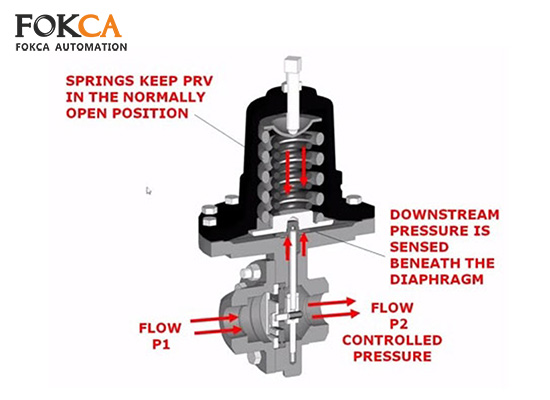
When the adjustment knob is turned, spring force changes and moves the diaphragm or piston. This opens the valve passage, allowing compressed air to enter the downstream circuit.
As outlet pressure increases, it acts against the diaphragm. When the pressure reaches the setpoint, the mechanism reduces the valve opening to balance the forces. If downstream pressure falls because equipment consumes air, the spring pushes the mechanism toward a more open position.
This feedback process helps maintain the selected pressure. However, actual outlet pressure can vary with airflow demand, inlet pressure, and regulator characteristics. This variation is commonly called pressure droop.
Different pneumatic devices require different operating pressures. Supplying every component directly from the main compressed-air line may result in unnecessary pressure or inconsistent operation.
A pressure regulator provides several practical benefits:
Protects pneumatic components: Excessive pressure can increase mechanical stress on cylinders, seals, hoses, and fittings. Correct regulation helps keep operating pressure within specified limits.
Improves process consistency: Stable pressure supports more repeatable clamping, gripping, positioning, and other pneumatic movements.
Supports multiple pressure zones: Separate regulators allow different machines to operate at their required pressure settings without changing the entire compressed-air network.
Helps manage energy consumption: Reducing pressure to the level actually required by equipment can avoid unnecessary compressed-air demand. The potential savings depend on system design and operating conditions.
Air pressure regulators are used throughout compressed-air systems.
● Air compressor systems: Reduce the main supply pressure to match the requirements of downstream equipment.
● FRL units: Regulate pressure after filtration and before compressed air enters pneumatic control circuits.
● Automation machinery: Provide suitable pressure for cylinders, grippers, and pneumatic actuators.
● Spray and coating equipment: Help maintain consistent air pressure for processes sensitive to pressure variation.
● Laboratory and specialized equipment: Supply controlled compressed air where equipment specifications require a defined pressure range.
Although both devices are related to pressure control, they perform different functions.
| Comparison | Pressure regulator | Pressure relief valve |
| Main purpose | Controls downstream pressure | Protects against excessive system pressure |
| Normal operation | Continuously adjusts flow to regulate outlet pressure | Normally remains closed |
| Response | Modulates the opening according to pressure changes | Opens when pressure reaches its set threshold |
| Typical use | Pneumatic air preparation and equipment supply | Pressure protection for vessels and pipelines |
A regulator should not be treated as a substitute for a safety relief device. Systems requiring overpressure protection need appropriately rated protective equipment.
Pressure regulators can experience performance problems after prolonged operation or exposure to contaminated compressed air.
● Unstable outlet pressure: May result from fluctuating inlet pressure, excessive demand, contamination, or an incorrectly sized regulator.
● Slow adjustment response: Can be caused by internal dirt, worn components, or diaphragm damage.
● Failure to reach the setpoint: May indicate insufficient inlet pressure, excessive downstream demand, or an unsuitable regulator range.
● Air leakage: Often relates to worn seals, damaged diaphragms, loose connections, or incorrect installation.
Regularly inspect the regulator body, connections, pressure gauge, and adjustment mechanism. Maintain upstream filtration and replace damaged internal components according to the manufacturer's instructions. Before disassembly, isolate the air supply and release trapped downstream pressure.
It reduces inlet pressure and controls downstream pressure to suit the operating requirements of pneumatic equipment.
On conventional regulators, turning the knob clockwise generally increases the set pressure, while turning it counterclockwise decreases it. Monitor the downstream gauge and follow the manufacturer's adjustment procedure.
The outlet pressure may become unstable, remain too high or too low, or fluctuate during operation. Internal leakage and adjustment failure may also occur.
It is commonly installed downstream of an air filter and upstream of the equipment being protected. Follow the flow-direction marking and the manufacturer's installation instructions.
Choosing the correct regulator requires more than matching the pipeline connection size. Inlet pressure, required outlet range, maximum airflow, pressure droop, and air quality all influence performance. A properly selected and maintained regulator helps pneumatic equipment operate with more consistent pressure and predictable results.
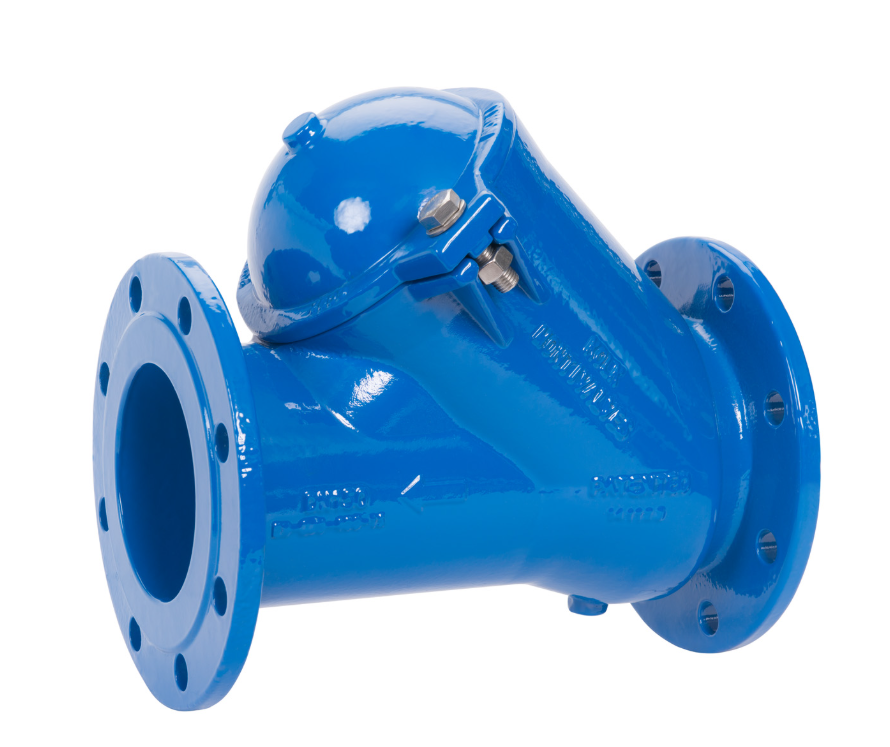 The Ultimate Guide to Check Valves: How They Work, Common Mistakes, and Smart Selection Tips
 Mastering Precision: Why Air Pressure Regulators Are Essential in Pneumatic Systems
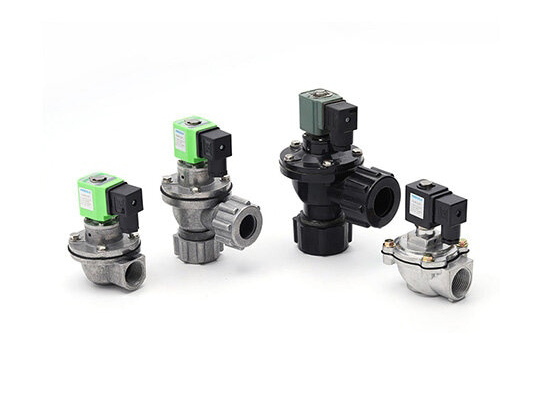 How Pilot-Operated Pulse Solenoid Valves Improve Dust Collection Efficiency
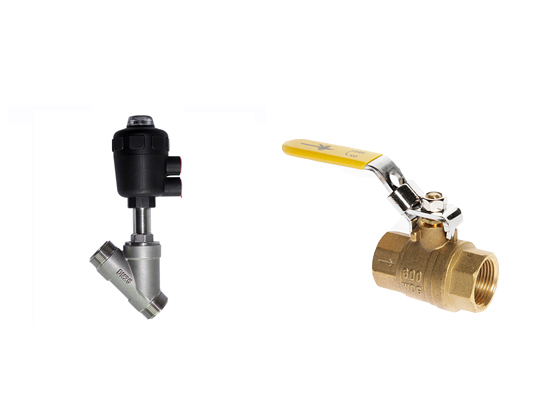 Angle Seat Valve vs Ball Valve: Which Is Better for Automated Production Lines?
 Brass vs Stainless Steel Pneumatic Fittings: Which Lasts Longer
You May Interest In

Dec 02, 2025 Blog
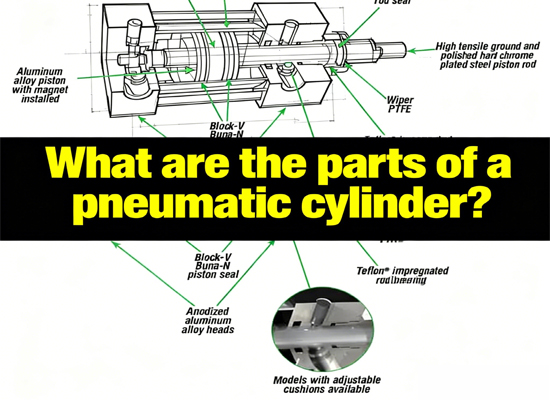
What are the parts of a pneumatic cylinder?
Apr 18, 2025 Blog
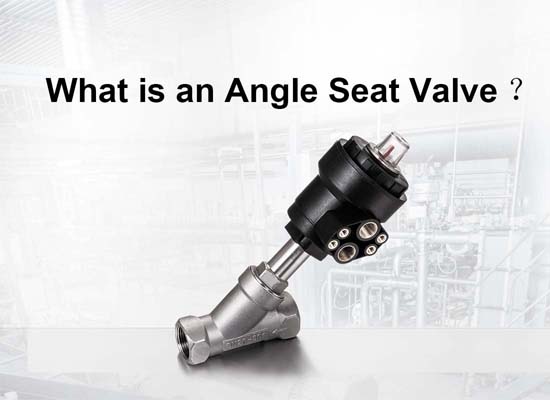
What is an Angle Seat Valve?
Get a free sample

Fokca is a brand of Ningbo Fokca Automation Co., Ltd.
Looking for custom pneumatic cylinder solutions? Visit our sister brand, Fescolo.→
© 2026 Ningbo Fokca Automation Co., Ltd. All rights reserved. Sitemap




 None