Aug 27, 2026
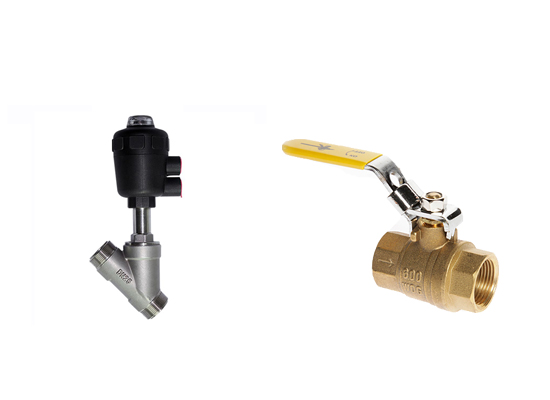
Automated production lines place different demands on fluid control components. Some stations require rapid, repeated switching, while others prioritize tight shutoff, low maintenance, or compatibility with demanding process media. Choosing between an angle seat valve and a ball valve therefore involves more than comparing purchase prices or connection sizes.
Both valve types can be automated and integrated into industrial control systems, but their operating mechanisms and performance characteristics differ. Understanding these differences helps engineers select a valve that matches the actual production process.
The main distinction lies in how each valve opens and closes.
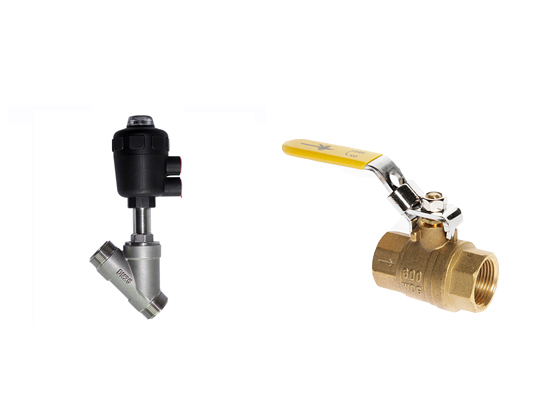
An angle seat valve uses a linear-moving stem and plug. In a common pneumatic configuration, compressed air drives a piston inside the actuator, lifting the plug away from the seat. When the control signal is removed, a spring returns the mechanism to its default position in a spring-return design. Normally closed and normally open configurations are available, while double-acting versions use air pressure for both directions of movement.
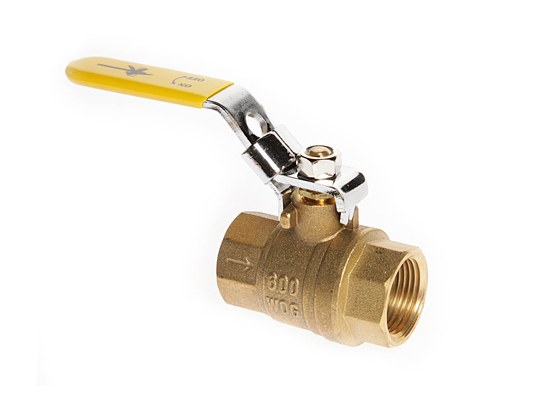
A ball valve controls flow by rotating a bored ball, usually through 90 degrees. When the bore aligns with the pipeline, the valve opens; when the ball turns across the flow path, it closes. Automation can be achieved using pneumatic or electric actuators, with manual operation also available.
These mechanisms influence switching behavior, actuator requirements, and installation arrangements. Neither design is automatically faster in every application: actual response time depends on valve size, actuator torque or force, air pressure, electrical control, and operating conditions.
The following comparison highlights typical characteristics rather than guaranteed performance for every model.
| Selection factor | Angle seat valve | Ball valve |
| Operating movement | Linear stem movement | Usually 90° rotation |
| Common automation | Pneumatic actuator | Pneumatic or electric actuator |
| Flow path | Angled body and seat arrangement | Straight-through bore in two-way designs |
| Switching frequency | Suitable for frequent cycling when correctly specified | Also suitable for automated cycling with an appropriately rated actuator |
| Flow resistance | Depends on seat and body geometry | Often low when fully open, especially with full-bore designs |
| Shutoff performance | Depends on plug, seat, and seal design | Depends on ball, seat materials, and valve construction |
| Installation | Requires actuator clearance and, for pneumatic models, an air supply | Requires actuator clearance and suitable power or air supply |
Angle seat valves are often selected for applications requiring substantial flow capacity within a relatively compact installation. Their angled internal passage can provide an efficient flow path, but pressure loss still depends on valve geometry, size, flow rate, and medium properties.
Ball valves are also widely used where low resistance is important. A full-bore ball valve provides a passage close to the pipeline's internal diameter, making it suitable for applications requiring high flow capacity. Reduced-bore models have a smaller opening and different flow characteristics.
For accurate comparison, engineers should check the manufacturer's Cv or Kv values under the relevant operating conditions rather than relying on nominal valve size alone.
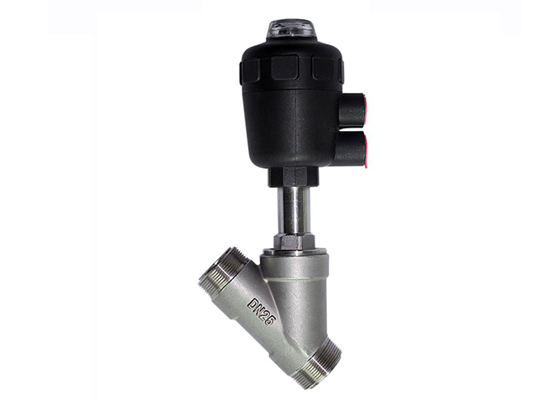
Pneumatic angle seat valves are commonly used for repeated on/off operations in automated machinery. Their linear movement and spring-return options can simplify certain control arrangements. However, the actuator must be correctly sized, and the compressed-air supply must meet the manufacturer's requirements.
Ball valves can also operate in automated production lines. Pneumatic actuators are suitable for fast switching, while electric actuators can be useful where compressed air is unavailable or electrical positioning is required. For frequent cycling, actuator duty rating, operating torque, and valve wear should all be evaluated.
Neither valve type should be treated as a precision flow-control solution simply because it has an automated actuator. If continuous modulation is required, confirm that the valve and actuator are designed for that purpose.
Material selection is particularly important in food processing, pharmaceutical production, and chemical manufacturing.
Stainless steel angle seat valves are available with different body and sealing materials. Some models are designed for hygienic processes, but stainless steel construction alone does not establish sanitary suitability. Internal surface finish, dead-space design, connection type, diaphragm or seal materials where applicable, and relevant hygiene standards must also be checked. CIP and SIP compatibility must be confirmed for the specific model and operating conditions.
Standard ball valves may contain internal cavities where process fluid can remain. This can make cleaning more difficult in certain applications. However, sanitary ball valves with specialized cavity and surface designs are available, so it would be inaccurate to classify all ball valves as unsuitable for hygienic production.
For either valve, verify compatibility with the process medium, cleaning chemicals, temperature, pressure, and cleaning procedure.
Maintenance requirements depend on operating conditions and component quality rather than valve category alone.
Angle seat valves require attention to actuator seals, stem packing, plug seals, and the condition of the return mechanism. Ball valves require inspection of seats, stem seals, actuator connections, and operating torque. Abrasive particles, chemical exposure, temperature fluctuations, and frequent cycling can accelerate wear in either design.
Initial price is only one part of the investment. A practical cost comparison should include:
● Valve and actuator purchase price
● Compressed-air or electrical supply requirements
● Installation space and control accessories
● Spare parts and maintenance labor
● Expected operating cycles and replacement intervals
● Production losses associated with unplanned downtime
A pneumatic angle seat valve may be economical in a centralized compressed-air system, while an electric ball valve may be more practical where electrical control is already available. The better return depends on the complete installation and its service requirements.
An angle seat valve is worth considering when the production line needs frequent pneumatic switching, good flow capacity, and a compact automated shutoff arrangement. It is commonly used in packaging equipment, process machinery, and fluid-handling systems.
A ball valve is often a suitable choice for pipeline isolation, applications requiring a relatively unobstructed flow passage, or systems where pneumatic or electric quarter-turn actuation fits the existing control architecture. Specialized ball valve designs may also meet demanding pressure, chemical, or hygienic requirements.
Before replacing one type with the other, check the connection dimensions, pressure and temperature ratings, flow capacity, actuator requirements, fail position, and available installation space. The control system must also support the new actuator and its feedback signals, if fitted.
The best choice is not determined by automation alone. It comes from matching the valve's operating mechanism, materials, flow characteristics, and maintenance requirements to the production line's actual working conditions.
No. Switching speed depends on the actuator, valve size, operating pressure, and control arrangement. Both types can be configured for automated, frequent operation.
Yes. Pneumatic and electric actuators allow ball valves to be integrated with PLCs and other control systems. The actuator must be suitable for the required operating frequency and valve torque.
Not automatically. Check flow capacity, pressure and temperature ratings, connection standards, installation dimensions, actuator compatibility, and the required default position before making a replacement.
There is no universal answer. Both valve types are available in different pressure classes. Selection must be based on the specific model's rated pressure, temperature limits, materials, and operating conditions.
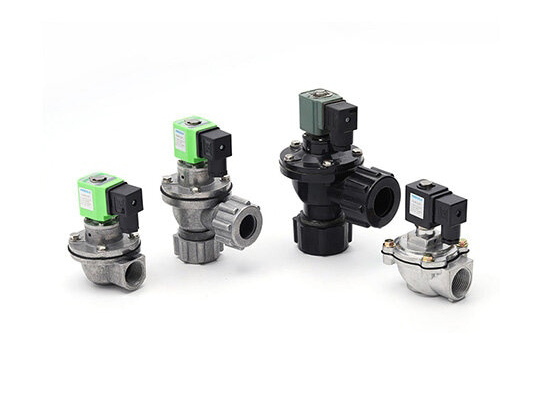 How Pilot-Operated Pulse Solenoid Valves Improve Dust Collection Efficiency
 Angle Seat Valve vs Ball Valve: Which Is Better for Automated Production Lines?
 Brass vs Stainless Steel Pneumatic Fittings: Which Lasts Longer
 Pneumatic Solenoid Valves: Working Principles, Types and Applications
 A Basic Guide to Diaphragm Valves: Features, Types and Applications
You May Interest In

Dec 02, 2025 Blog
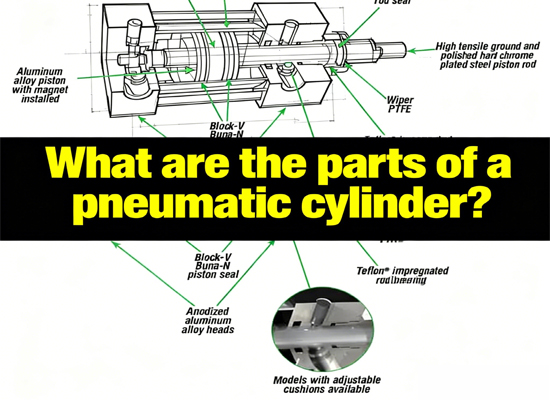
What are the parts of a pneumatic cylinder?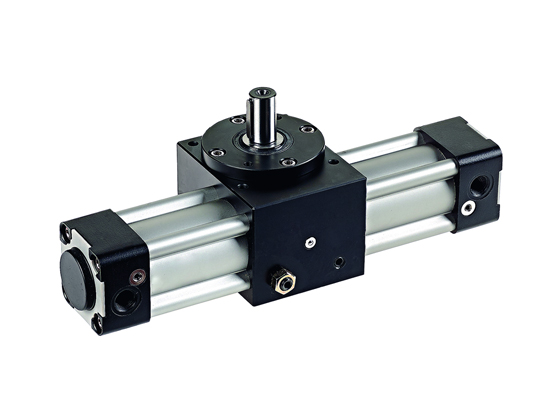



Apr 18, 2025 Blog
What is an Angle Seat Valve?
Get a free sample

Fokca is a brand of Ningbo Fokca Automation Co., Ltd.
Looking for custom pneumatic cylinder solutions? Visit our sister brand, Fescolo.→
© 2026 Ningbo Fokca Automation Co., Ltd. All rights reserved. Sitemap




 None