Nov 16, 2026
Pneumatic fitting failures are not always caused by mechanical damage. In many industrial systems, performance gradually deteriorates due to seal aging, corrosion, and repeated exposure to moisture or cleaning chemicals. These problems can eventually lead to air leakage, unstable connections, and unexpected maintenance.
When comparing brass vs stainless steel fittings, the choice of material plays an important role in long-term system reliability. Nickel plated brass fittings are widely used in general pneumatic applications because of their reasonable cost and adequate corrosion protection. However, in humid, washdown, or food processing environments, their limitations become more noticeable.
A Full Stainless Steel Pneumatic One Touch Fitting offers a different approach, combining the corrosion resistance of stainless steel with the convenience of push-in tube connections. Understanding the differences between these materials helps engineers, distributors, and procurement teams make better decisions based on actual operating conditions.
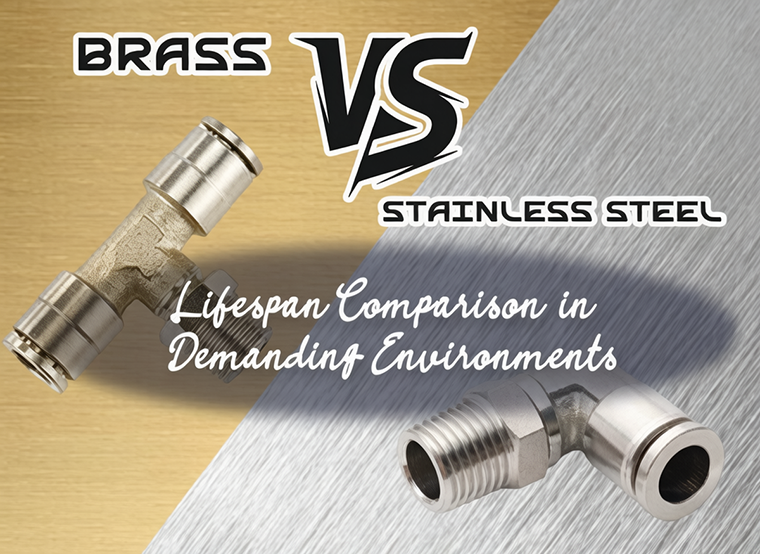
The main difference between brass and stainless steel pneumatic fittings lies in how each material resists environmental exposure.
Nickel plated brass fittings consist of a brass body covered by a nickel coating. The plating improves surface hardness, appearance, and resistance to oxidation. However, the protective effect depends on coating quality and integrity. Scratches, wear, or damage during installation can expose the underlying brass to moisture and corrosive substances.
A stainless steel air fitting relies on the material itself rather than an additional protective coating. Stainless steel forms a passive chromium-rich oxide layer on its surface, which helps resist corrosion and supports long-term durability.
This distinction becomes particularly important in applications involving frequent cleaning, condensation, or chemical exposure.
For demanding environments, stainless steel pneumatic connectors provide a more consistent material foundation, especially when the selected stainless steel grade is appropriate for the operating conditions.
Corrosion is one of the main factors affecting pneumatic fitting service life. Water, condensation, airborne contaminants, and cleaning chemicals can gradually damage exposed metal surfaces.
Nickel plated brass fittings perform adequately in many indoor industrial environments. However, their corrosion resistance may decrease when the coating is scratched, worn, or exposed to aggressive chemicals. Chloride-containing cleaning solutions and prolonged moisture exposure can be particularly challenging.
Stainless steel fittings generally offer better resistance to these conditions. Their corrosion performance comes from the alloy composition and passive surface layer, rather than relying entirely on external plating.
The following table highlights the main differences:
| Comparison | Nickel Plated Brass Fitting | Stainless Steel Air Fitting |
|---|---|---|
| Base Material | Brass | Stainless steel |
| Surface Protection | Nickel plating | Passive oxide layer |
| Corrosion Resistance | Moderate; coating dependent | Generally high; grade dependent |
| Coating Damage | May expose brass underneath | No separate protective coating |
| Moisture Resistance | Suitable for controlled environments | Better suited to humid environments |
| Chemical Exposure | Depends on plating and chemical compatibility | Depends on stainless steel grade and chemical concentration |
| Maintenance Requirements | May increase under corrosive conditions | Generally lower in suitable environments |
It is important to remember that stainless steel is not completely corrosion-proof. For example, 304 and 316 stainless steel have different resistance levels, with 316 generally offering better resistance to chloride-containing environments.
Therefore, material selection should consider both the stainless steel grade and the actual chemicals encountered during operation.
Corrosion is not the only factor that determines fitting lifespan. Sealing performance also directly affects pneumatic system efficiency.
Both brass and stainless steel push-in fittings commonly use elastomer seals and internal gripping mechanisms to maintain an airtight tube connection. Their sealing performance depends on seal material, dimensional accuracy, surface finish, installation quality, and operating conditions.
Temperature fluctuations, moisture, chemical exposure, and repeated connection cycles can accelerate seal aging. As elastomers lose elasticity, small gaps may develop between the sealing surface and the connected tube, resulting in compressed air leakage.
The metal body material alone does not determine seal life. A stainless steel fitting with an unsuitable seal may still fail prematurely, while a well-designed brass fitting with compatible sealing materials can perform reliably in controlled conditions.
For applications requiring stable sealing over extended operating periods, buyers should evaluate:
• Seal material: NBR, FKM, and other elastomers should be selected according to temperature and chemical compatibility.
• Surface finish: Smooth, accurately manufactured sealing surfaces help maintain reliable contact.
• Dimensional accuracy: Consistent manufacturing tolerances reduce the risk of uneven sealing.
• Operating conditions: Pressure fluctuations, vibration, temperature, and connection frequency all influence service life.
Choosing a suitable sealing configuration is just as important as selecting the fitting body material.
In humid environments, condensation can accumulate around pneumatic connections, particularly in systems operating with compressed air that has not been adequately dried.
Over time, continuous moisture exposure may affect exposed metal surfaces and create conditions that accelerate corrosion. If corrosion develops around critical connection areas, maintenance and replacement become increasingly necessary.
Nickel plated brass fittings are generally suitable for indoor equipment with controlled humidity and limited exposure to water. However, frequent washing, outdoor installation, and persistent condensation can place greater demands on the protective coating.
A Full Stainless Steel Pneumatic One Touch Fitting is often a more suitable option for these applications because its corrosion resistance is not dependent on nickel plating.
Typical applications include:
• Food and beverage processing equipment
• Packaging machinery requiring frequent cleaning
• Outdoor pneumatic control systems
• Equipment operating in humid production facilities
• Industrial machinery exposed to water splashes
For these environments, selecting stainless steel fittings can help reduce corrosion-related maintenance, provided the material grade and sealing components are compatible with the actual conditions.
Food processing and packaging equipment often operates under stricter cleaning and hygiene requirements than general industrial machinery.
Pneumatic components may be exposed to water, detergents, disinfectants, and repeated temperature changes during sanitation procedures. These conditions place additional demands on fitting materials, surface quality, and connection design.
Nickel plated brass fittings may be suitable for pneumatic connections in areas with limited moisture exposure. However, in regularly washed production zones, coating damage and corrosion can increase inspection and replacement requirements.
Stainless steel pneumatic connectors are frequently considered for equipment operating in these environments because of their corrosion resistance and suitability for hygienic equipment design.
When specifying a Full Stainless Steel Pneumatic One Touch Fitting, engineers should pay attention to:
1. Material grade: Select 304 or 316 stainless steel according to the cleaning chemicals and exposure conditions.
2. Surface condition: Smooth surfaces and appropriate finishing help reduce areas where contaminants may accumulate.
3. Seal compatibility: Choose sealing materials that withstand the cleaning agents and operating temperatures.
4. Connection design: Ensure the fitting structure meets the equipment's installation and cleaning requirements.
It is also important to distinguish between corrosion-resistant materials and certified hygienic components. Using stainless steel alone does not automatically make a fitting food-grade or compliant with specific food-contact standards. Actual compliance depends on the complete product design, materials, manufacturing process, and applicable regulations.
Although stainless steel offers advantages in demanding environments, nickel plated brass fittings remain a practical option for many pneumatic systems.
Their main advantages include reasonable material costs, good machinability, and sufficient performance in applications with limited exposure to moisture and corrosive substances.
Typical applications include:
• General indoor automation equipment
• Pneumatic control cabinets
• Dry compressed air distribution systems
• Machinery operating in temperature-controlled workshops
• Cost-sensitive projects with moderate operating requirements
For these applications, paying extra for stainless steel may not provide a meaningful improvement in service life or overall operating costs.
The key is to match fitting material to the actual working environment rather than selecting the most corrosion-resistant option by default.
For engineers and procurement teams, the final decision should consider more than the initial purchase price.
A lower-cost fitting may be economical in a clean, dry workshop but become more expensive if frequent replacement is necessary in a humid production environment. Conversely, stainless steel may represent an unnecessary investment in applications where brass already provides sufficient durability.
Before selecting a fitting, evaluate these factors:
| Selection Factor | Nickel Plated Brass | Stainless Steel |
|---|---|---|
| Initial Purchase Cost | Generally lower | Generally higher |
| Dry Indoor Applications | Suitable | Suitable |
| High Humidity | Condition dependent | Generally preferred |
| Frequent Washdown | Less suitable | Generally preferred |
| Chemical Exposure | Requires compatibility checks | Grade and chemical compatibility checks required |
| Long-Term Corrosion Resistance | Depends on coating condition | Generally better |
| Maintenance Considerations | Inspect for coating damage | Inspect for corrosion and seal wear |
A practical selection approach is to prioritize nickel plated brass for controlled environments and consider stainless steel for applications involving persistent moisture, frequent cleaning, or higher corrosion risks.
For demanding pneumatic systems, a properly specified stainless steel air fitting can help improve connection durability and reduce maintenance associated with corrosion.
Ultimately, fitting service life depends on the complete connection design, including body material, sealing elements, tube compatibility, installation accuracy, and operating conditions. Selecting the right combination is essential for maintaining reliable pneumatic performance over time.
(FK9026)
 Angle Seat Valve vs Ball Valve: Which Is Better for Automated Production Lines?
 Brass vs Stainless Steel Pneumatic Fittings: Which Lasts Longer
 Pneumatic Solenoid Valves: Working Principles, Types and Applications
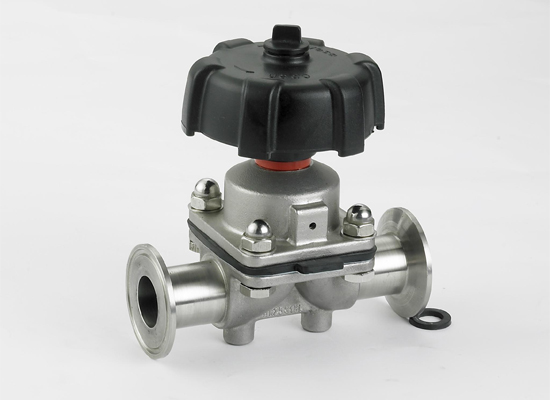 A Basic Guide to Diaphragm Valves: Features, Types and Applications
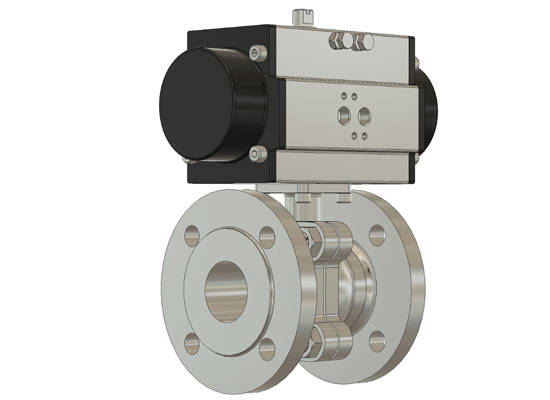 How Does a Pneumatic Ball Valve Operate? A Practical Guide
You May Interest In

Dec 02, 2025 Blog
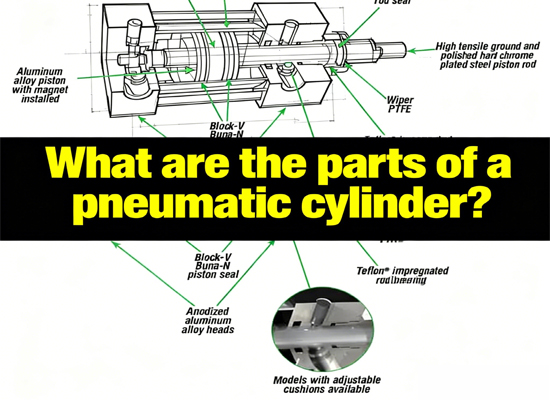
What are the parts of a pneumatic cylinder?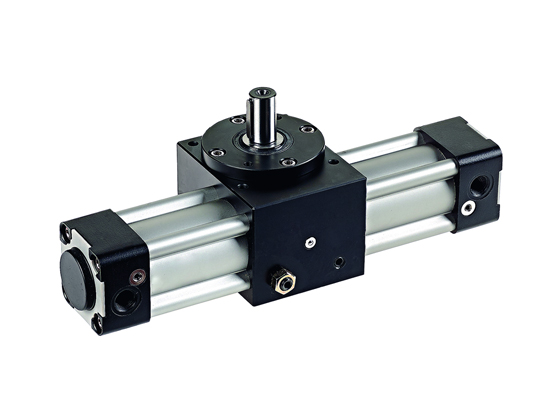

Apr 18, 2025 Blog
What is an Angle Seat Valve?
Get a free sample

Fokca is a brand of Ningbo Fokca Automation Co., Ltd.
Looking for custom pneumatic cylinder solutions? Visit our sister brand, Fescolo.→
© 2026 Ningbo Fokca Automation Co., Ltd. All rights reserved. Sitemap




 None