Aug 19, 2026
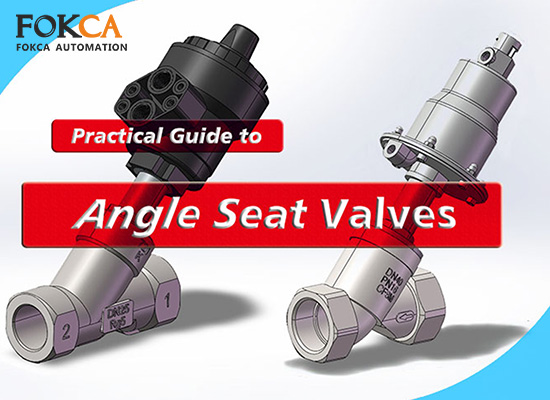
Angle seat valves are widely used in industrial systems to control the flow of liquids, gases, and steam. Their angled body design, relatively high flow capacity, and pneumatic actuation options make them suitable for applications requiring frequent switching and reliable fluid control.
They are commonly found in food processing, water treatment, chemical production, pharmaceutical equipment, and steam systems. Understanding their structure, operating principle, and application requirements helps engineers select the right valve for their equipment.
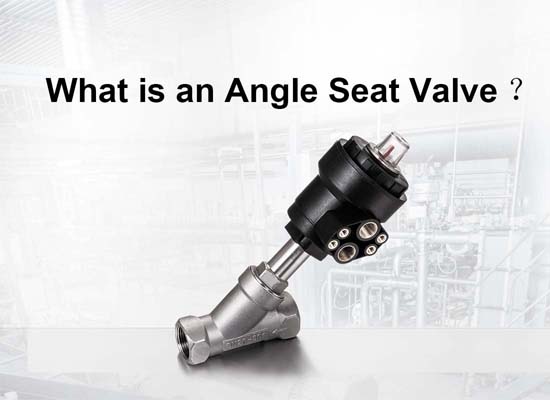
An angle seat valve consists of a valve body, internal valve components, sealing elements, and an actuator. Each part contributes to its operating performance.
The valve body provides the flow passage and supports the internal components. Its inlet and outlet are typically arranged at an angle, commonly 90 degrees. Depending on the application, body materials may include stainless steel, brass, or other suitable metals. Material selection should consider fluid compatibility, pressure, and temperature.
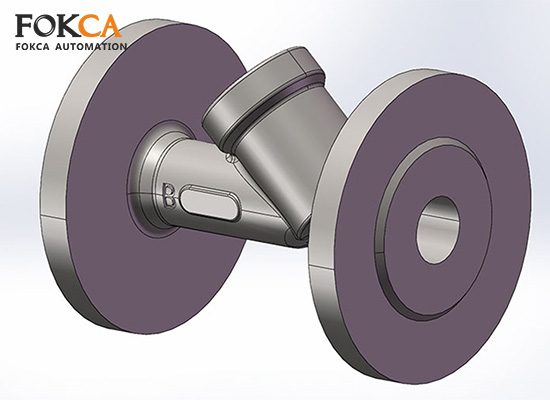
The valve plug controls the opening between the valve seat and the flow passage. Connected to the actuator through a stem, it moves to open or close the valve. Its design and movement determine the valve's flow characteristics and sealing performance.
Seals prevent leakage when the valve is closed and help maintain reliable operation. Common materials include EPDM, NBR, FKM (Viton), and PTFE.
● EPDM: Suitable for many water, hot water, and steam applications when the grade is appropriate.
● NBR: Commonly used where resistance to mineral oils and lubricants is required.
● FKM: Offers resistance to many oils, fuels, and chemicals, with good high-temperature performance.
● PTFE: Provides broad chemical resistance and is used in demanding fluid applications.
No single material is suitable for every medium. Compatibility should be checked against the actual fluid, concentration, and operating temperature.
The actuator provides the force needed to move the valve plug. Common configurations include pneumatic, electric, and manual operation. Pneumatic actuators are widely used in automated industrial systems because of their fast switching response and relatively simple control structure.
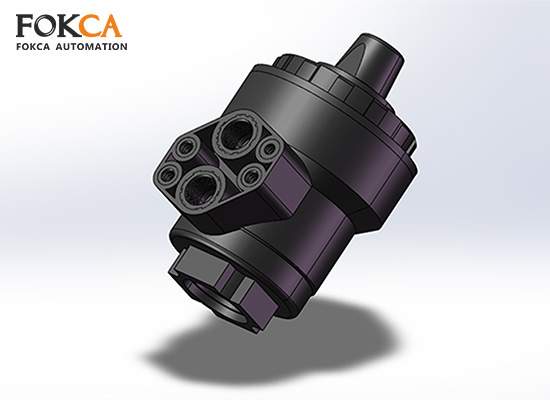
The angled flow passage can provide a relatively direct fluid path. Many angle seat valves offer high flow capacity compared with some conventional valve designs of similar nominal size. However, actual performance depends on the internal structure, port size, and Cv/Kv value.
The valve plug and seat are designed to form a sealing contact when the valve closes. Suitable seal materials and correct operating conditions help reduce leakage and maintain service life.
The integrated body and actuator design makes angle seat valves suitable for equipment with limited installation space. Their connection arrangement can also simplify pipeline layout in certain systems.
Angle seat valves are available with different operating methods:
● Pneumatic: Uses compressed air to operate the valve, suitable for frequent switching and automated control.
● Electric: Uses an electric actuator and is suitable for applications requiring electrical control or adjustable positioning, depending on actuator design.
● Manual: Operated by hand, generally used where automatic control is unnecessary.
With appropriate body and seal materials, angle seat valves can handle various liquids, gases, and steam. Their suitability for high-pressure, high-temperature, or corrosive services depends on the specific valve's design and rated operating limits.
A common single-acting pneumatic angle seat valve uses compressed air to move a piston inside the actuator, while a spring provides the return force.
Its operation generally follows two steps:
● Opening: When the control system activates the solenoid valve, compressed air enters the actuator chamber. The air pressure moves the piston and valve stem, lifting the plug away from the seat and allowing fluid to pass through.
● Closing: When the control signal is removed, the solenoid valve exhausts the actuator air. The return spring moves the piston and plug back to the closed position.
This is a typical normally closed configuration. Normally open and double-acting designs are also available. The actual operation depends on the actuator configuration and valve model.
Flow direction is another important consideration. Many angle seat valves have a preferred flow direction to reduce the operating force and support stable performance. Always follow the manufacturer's flow markings and installation instructions rather than assuming all models use the same direction.
Angle seat valves are used across industries where reliable fluid switching or flow control is required.
| Industry | Typical Applications |
| Food and beverage | Controlling milk, juice, syrup, and cleaning fluids |
| Water treatment | Managing water, wastewater, and treatment chemicals |
| Chemical processing | Controlling compatible acids, alkalis, and process fluids |
| Pharmaceutical | Fluid transfer and suitable cleaning processes, including CIP |
| Steam systems | Controlling steam and hot water within rated conditions |
| Energy and industrial equipment | Managing process fluids in heating and production systems |
For hygienic applications, stainless steel construction alone does not guarantee sanitary compliance. Surface finish, connection design, seal materials, cleanability, and applicable industry standards must also be considered.
Similarly, corrosive chemicals and high-temperature steam require careful verification of the valve body's pressure-temperature rating and the compatibility of all wetted components.
Before choosing an angle seat valve, evaluate the operating medium, required flow rate, pressure differential, temperature, connection standard, and control method. Also confirm the valve's normally closed or normally open function, actuator air pressure, seal material, and preferred flow direction.
For automated systems, the Cv/Kv value is particularly important because nominal valve size alone does not determine flow capacity. A properly matched valve helps maintain stable operation, reduce unnecessary pressure loss, and avoid premature wear or leakage.
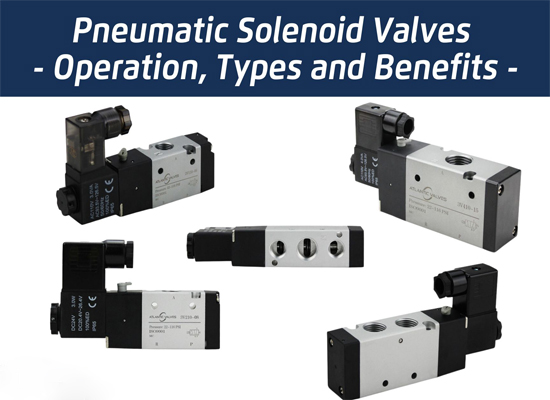 Pneumatic Solenoid Valves: Working Principles, Types and Applications
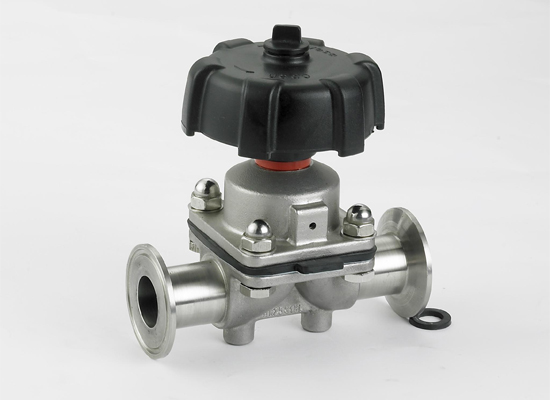 A Basic Guide to Diaphragm Valves: Features, Types and Applications
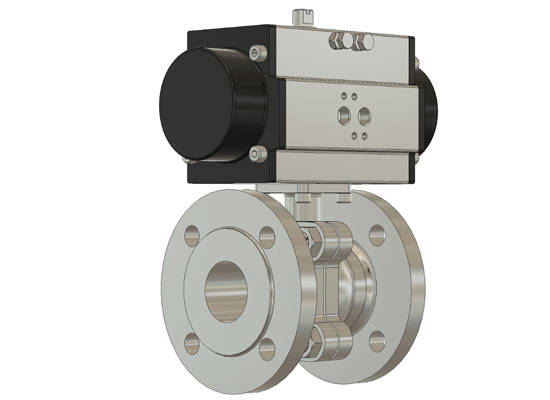 How Does a Pneumatic Ball Valve Operate? A Practical Guide
 Why Does Transparent PU Tubing Turn Yellow
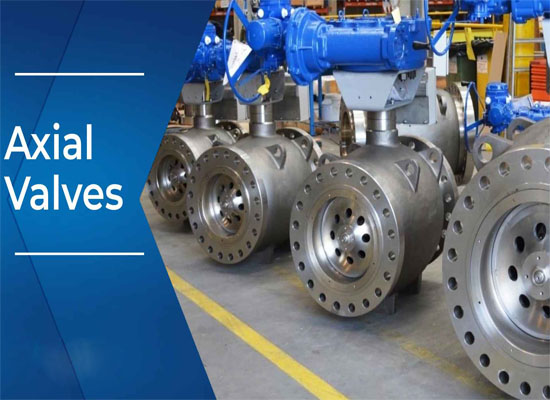 Comprehensive Analysis of Pneumatic Axial Flow Control Valves
You May Interest In


Dec 02, 2025 Blog
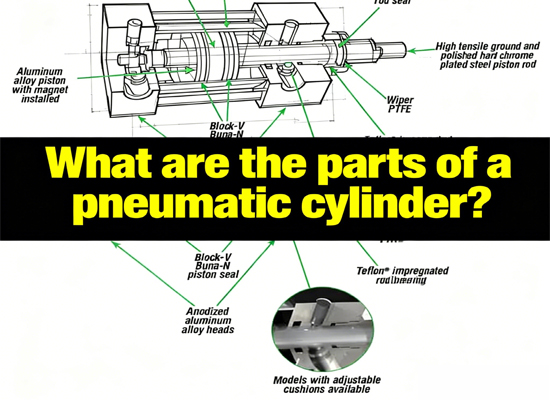
What are the parts of a pneumatic cylinder?



Apr 18, 2025 Blog
What is an Angle Seat Valve?
Get a free sample

Fokca is a brand of Ningbo Fokca Automation Co., Ltd.
Looking for custom pneumatic cylinder solutions? Visit our sister brand, Fescolo.→
© 2026 Ningbo Fokca Automation Co., Ltd. All rights reserved. Sitemap