Aug 19, 2026
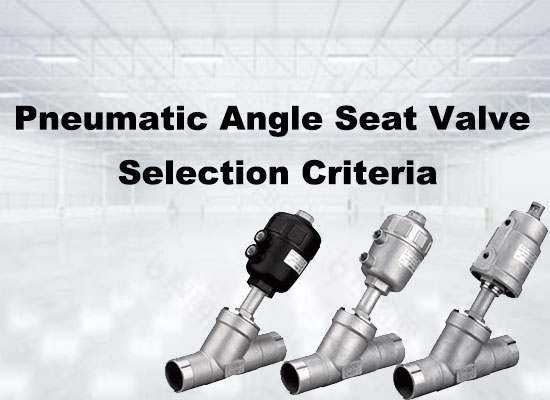
Selecting a pneumatic angle seat valve requires more than matching its connection size to a pipeline. The valve must be compatible with the operating medium, pressure, temperature, flow requirements, and control system. A suitable selection helps maintain reliable operation, reduce leakage risks, and extend service life.
Pneumatic angle seat valves are commonly used to control liquids, gases, and steam in industrial systems. Their angled flow passage and pneumatic piston actuator make them suitable for frequent switching and applications requiring relatively high flow capacity.
The first consideration is the required operating state when the actuator loses its air supply.
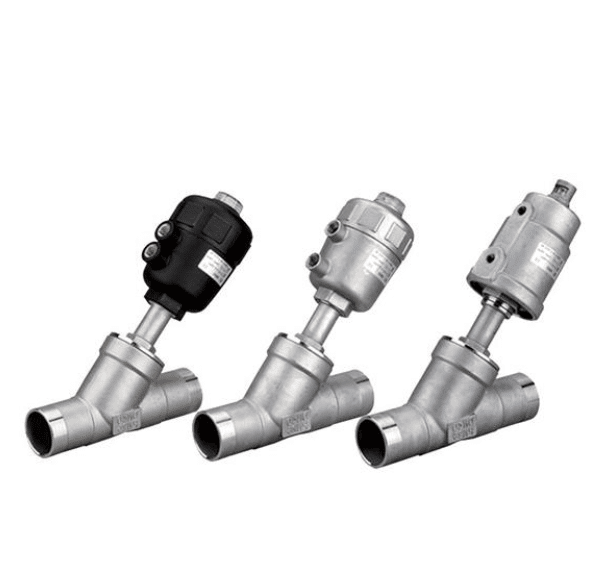
● Normally Closed (NC): The valve remains closed without actuating air and opens when the actuator receives sufficient air pressure.
● Normally Open (NO): The valve remains open without actuating air and closes when the actuator receives sufficient air pressure.
The appropriate configuration depends on the process and safety requirements. For example, an NC valve may be preferred when the medium must be shut off following an air supply failure. However, the actual fail-safe behavior also depends on actuator design and installation.
Pneumatic angle seat valves are available with different connection options, including threaded, flanged, and welded connections. The choice depends on pipeline standards, installation space, operating pressure, and maintenance requirements.
Common thread standards include BSP, NPT, and other metric or regional specifications. These connections are not necessarily interchangeable.
Valve size should be selected according to the required flow rate and pressure differential, not simply the nominal pipeline diameter. The valve's flow coefficient (Cv or Kv) provides a more useful indication of its flow capacity.
Material compatibility directly affects valve reliability and service life.
Common body materials include:
● Stainless steel: Suitable for many industrial environments, including applications involving water, steam, and certain corrosive media.
● Brass: Commonly used in general-purpose industrial applications where the medium and operating conditions are compatible.
● Other materials: Selected according to specific pressure, temperature, and chemical requirements.
Seal materials also require careful consideration. NBR is commonly used for oil-resistant applications, EPDM is suitable for many water and steam applications, and FKM offers resistance to various oils and chemicals at elevated temperatures.
However, no material is universally compatible. Always verify the chemical composition, concentration, temperature, and pressure of the medium against the manufacturer's compatibility data.
Check both the valve's maximum working pressure and the pneumatic actuator's required operating pressure. These are different specifications: the valve controls the process medium, while the actuator uses compressed air to operate the valve.
Also consider the maximum and minimum operating temperatures. High temperatures can affect seals and internal components, while low temperatures may reduce seal flexibility. Pressure and temperature ratings should be checked together because allowable pressure may decrease at elevated temperatures.
Angle seat valves generally have a specified flow direction. Depending on the valve design and actuator configuration, flow direction can influence operating force, pressure resistance, and valve stability.
Always follow the flow arrow and installation instructions provided by the manufacturer. Incorrect installation may increase the force required to operate the valve or cause unstable performance.
The angled internal flow passage provides an efficient flow path. Many angle seat valves offer relatively high flow capacity for their size, although actual performance depends on the valve design, port size, and Cv/Kv rating.
Their integrated body and actuator design allows installation in various industrial systems where space is limited.
Pneumatic actuators provide relatively fast switching and are suitable for applications involving frequent opening and closing. Spring-return configurations can also provide a defined fail position.
With suitable body and seal materials, pneumatic angle seat valves can handle various liquids, gases, and steam. They are commonly found in food processing, packaging machinery, water treatment, textile equipment, and general industrial automation.
Many designs allow access to internal sealing components for inspection or replacement. Actual maintenance requirements depend on the valve structure, operating frequency, and medium conditions.
A suitable pneumatic angle seat valve should match the system's medium, flow demand, pressure, temperature, connection standard, and required fail position. Before ordering, confirm the valve's Cv/Kv value, body and seal materials, actuator operating pressure, and flow direction.
Considering these factors together helps prevent common selection problems such as insufficient flow, premature seal deterioration, unstable operation, and incorrect fail-safe behavior.
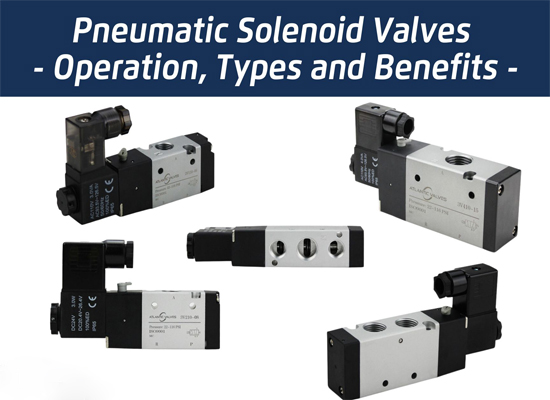 Pneumatic Solenoid Valves: Working Principles, Types and Applications
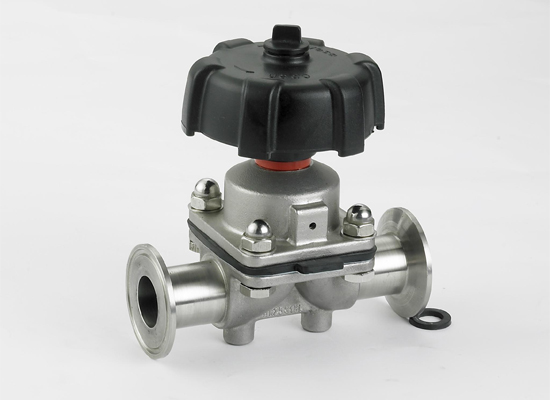 A Basic Guide to Diaphragm Valves: Features, Types and Applications
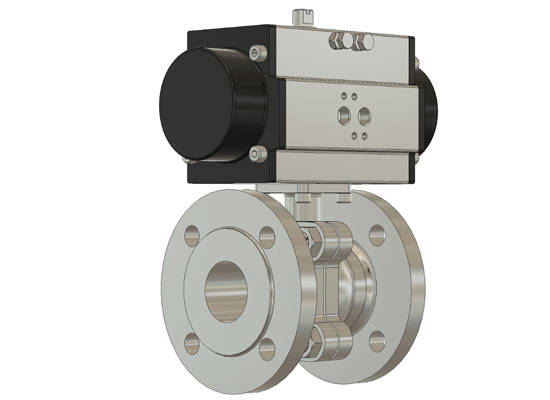 How Does a Pneumatic Ball Valve Operate? A Practical Guide
 Why Does Transparent PU Tubing Turn Yellow
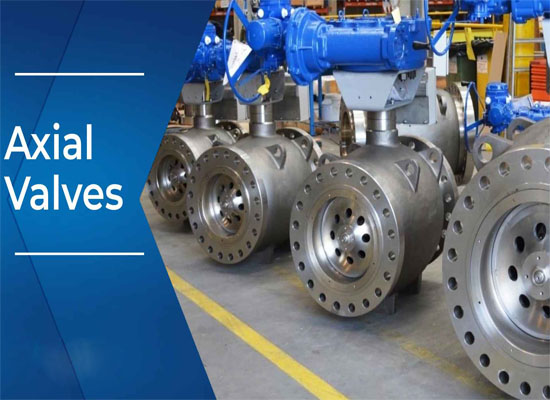 Comprehensive Analysis of Pneumatic Axial Flow Control Valves
You May Interest In


Dec 02, 2025 Blog
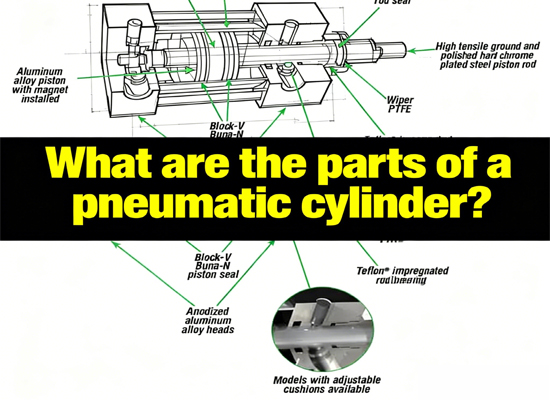
What are the parts of a pneumatic cylinder?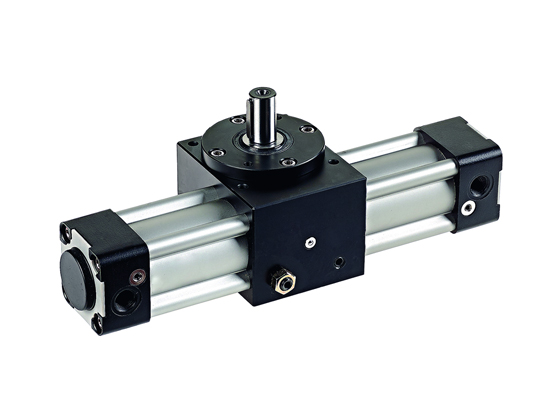




Apr 18, 2025 Blog
What is an Angle Seat Valve?
Get a free sample

Fokca is a brand of Ningbo Fokca Automation Co., Ltd.
Looking for custom pneumatic cylinder solutions? Visit our sister brand, Fescolo.→
© 2026 Ningbo Fokca Automation Co., Ltd. All rights reserved. Sitemap