Aug 18, 2026
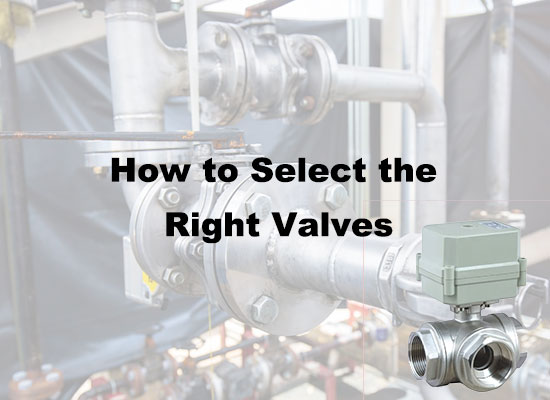
Selecting the right valve is essential for maintaining safe, efficient, and reliable operation in an industrial fluid system. Whether a pipeline carries water, compressed air, oil, chemicals, or steam, the valve must match the medium, operating conditions, and control requirements.
An unsuitable valve may cause excessive pressure loss, leakage, unstable flow control, or premature failure. Rather than selecting a valve based only on connection size or purchase cost, engineers should evaluate several key factors before making a decision.
Start by identifying the medium flowing through the pipeline. Different fluids place different demands on valve materials, sealing components, and internal structures.
● Liquids: Water, oil, and chemicals may vary in viscosity, temperature, and corrosiveness.
● Gases: Compressed air, nitrogen, and natural gas require suitable sealing performance and pressure ratings.
● Steam: High-temperature steam requires valves and seals designed for the relevant temperature and pressure conditions.
Also consider the fluid's chemical composition, concentration, cleanliness, and potential for containing solid particles. For corrosive media, material compatibility must be checked for both the valve body and wetted internal components.
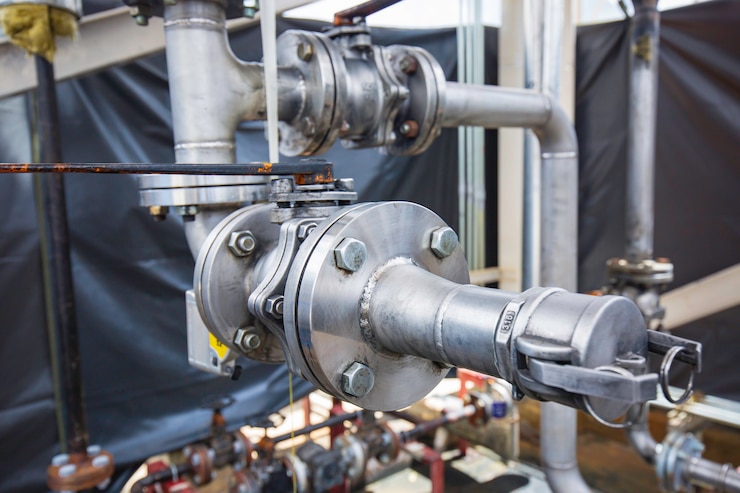
Different valve structures perform different functions. Selecting the correct type helps ensure the system operates as intended.
| Valve Type | Main Function | Typical Applications |
| Ball Valve | Fast shutoff and isolation | Water, air, oil, and gas pipelines |
| Gate Valve | Full-open or full-closed isolation | Water distribution and industrial pipelines |
| Globe Valve | Flow regulation and throttling | Process control and steam systems |
| Check Valve | Prevents reverse flow | Pump outlets and fluid distribution |
| Butterfly Valve | Isolation and some flow regulation | Large-diameter pipelines and HVAC systems |
Ball valves are generally suitable for on/off service, while globe valves are commonly selected when more controlled throttling is required. Gate valves are not normally intended for continuous flow regulation because prolonged throttling can damage their sealing surfaces.
The valve's intended duty should therefore be established before choosing its structure.
Every valve has specified pressure and temperature limits. These ratings must be suitable for both normal operating conditions and foreseeable pressure or temperature variations.
For high-pressure systems, check the valve's pressure class and the applicable pressure-temperature rating. For steam and other high-temperature applications, ensure that the body, seat, packing, and sealing materials can withstand the operating temperature.
It is also important to consider pressure surges, water hammer, and thermal expansion where relevant. A valve that meets the normal working pressure may still be unsuitable if it cannot withstand the system's maximum operating conditions.
Always refer to the manufacturer's pressure-temperature data rather than relying on the nominal pressure rating alone.
Valve material affects corrosion resistance, mechanical strength, temperature capability, and service life.
| Material | Typical Characteristics | Common Applications |
| Stainless Steel | Good corrosion resistance; grade-dependent | Chemicals, food processing, and general industry |
| Brass | Good machinability and corrosion resistance in suitable media | Water, air, and general-purpose systems |
| Cast Iron | Economical with good pressure-bearing capability in suitable designs | Water distribution and HVAC |
| PVC | Lightweight and resistant to many chemicals | Compatible low-temperature, low-pressure fluid systems |
| Carbon Steel | Good mechanical strength | Industrial pipelines and higher-pressure applications |
Material selection should account for the actual fluid, concentration, temperature, and operating pressure. For example, stainless steel is not automatically compatible with every chemical, and PVC should not be used beyond its specified temperature and pressure limits.
Seals and other internal components must also be compatible with the medium.
Industrial systems may require manual operation, remote switching, or automatic flow control.
Common actuation options include:
● Manual operation: Suitable for simple isolation and applications with infrequent switching.
● Pneumatic actuators: Use compressed air to operate valves and are widely used in automated production lines.
● Electric actuators: Provide electrically controlled operation and can support positioning and modulation when paired with suitable control systems.
For automated applications, consider operating speed, available power or air supply, control signals, feedback requirements, and fail-safe position. A spring-return pneumatic actuator, for example, can move a valve to a predefined position when its air supply is lost, provided the actuator and valve are configured for that function.
Choosing the correct valve size is not simply a matter of matching the pipeline diameter. Engineers should consider the required flow rate, pressure differential, fluid properties, and valve flow characteristics.
The flow coefficient, expressed as Cv or Kv, helps describe a valve's flow capacity under defined test conditions. It is useful for comparing valves and calculating suitable sizes.
An undersized valve may create excessive pressure loss and restrict system flow. An oversized control valve may operate near its closed position, making stable regulation more difficult.
For this reason, valve sizing should be based on actual operating conditions rather than nominal pipe size alone.
Maintenance requirements affect the total operating cost of an industrial valve. Consider whether the valve allows convenient inspection, seal replacement, cleaning, and component servicing.
For demanding applications, evaluate the expected cycle frequency, wear resistance, corrosion exposure, and availability of replacement parts.
Regular inspection can help identify leakage, corrosion, abnormal noise, or operating difficulties before they cause unplanned downtime.
Selecting the right industrial valve requires a balance between fluid compatibility, valve function, pressure and temperature limits, material, flow capacity, and control requirements.
A suitable valve should meet the system's actual operating conditions while remaining practical to install, operate, and maintain. Evaluating these factors together helps reduce pressure losses, prevent premature failures, and support reliable performance throughout the fluid system's service life.
You May Interest In

Dec 02, 2025 Blog
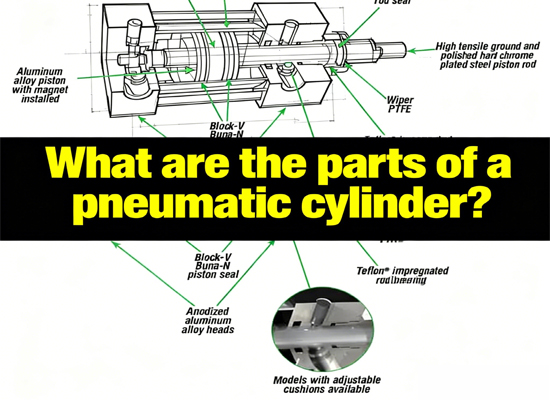
What are the parts of a pneumatic cylinder?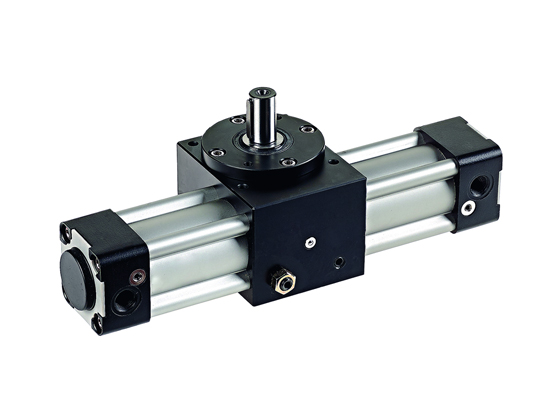



Apr 18, 2025 Blog
What is an Angle Seat Valve?
Get a free sample

Fokca is a brand of Ningbo Fokca Automation Co., Ltd.
Looking for custom pneumatic cylinder solutions? Visit our sister brand, Fescolo.→
© 2026 Ningbo Fokca Automation Co., Ltd. All rights reserved. Sitemap




 None