Aug 17, 2026
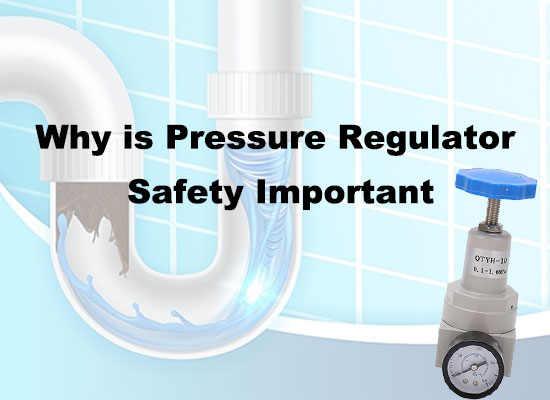
Water pressure is an important factor in the safe and efficient operation of plumbing systems. If the incoming pressure is too high, it can place excessive stress on pipes, fittings, valves, and connected appliances. If the pressure is too low, water supply may become insufficient for normal use.
A pressure regulator, also called a pressure-reducing valve (PRV), helps control this condition by reducing high inlet pressure to a lower, adjustable downstream pressure. Understanding its function, safety benefits, service life, and replacement costs can help maintain a reliable water supply system.
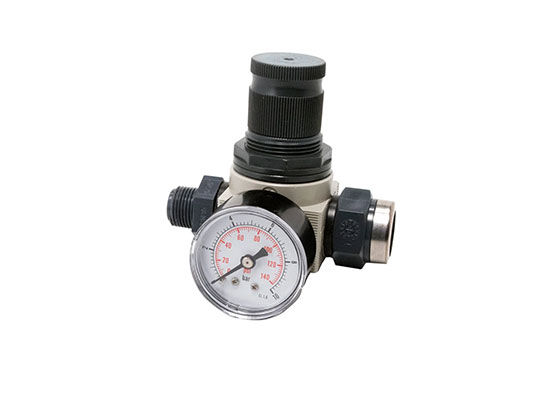
A pressure regulator reduces and controls the pressure of water entering a plumbing system. It is commonly installed on the main water supply line or before equipment that requires a specific operating pressure.
Most mechanical water pressure regulators use a diaphragm or piston connected to a spring-loaded valve mechanism. The spring setting determines the target outlet pressure. When downstream pressure changes, the internal mechanism adjusts the valve opening to maintain the set pressure within its operating range.
A pressure regulator does not directly control water flow rate. Actual flow depends on downstream demand, pipe dimensions, pressure difference, and system resistance.
By keeping downstream pressure within an appropriate range, the regulator helps protect plumbing components and maintain more predictable system operation.
Excessive water pressure increases mechanical stress on pipes, joints, fittings, and valves. Over time, this may contribute to leakage, premature wear, or component failure.
A properly selected pressure regulator reduces downstream pressure to a suitable level, helping prevent unnecessary stress on the plumbing system.
Water heaters, washing machines, dishwashers, and other appliances are designed to operate within specified pressure limits.
If supply pressure exceeds these limits, internal components, hoses, and connections may experience additional stress. A pressure regulator helps keep the supply pressure within the range recommended by the equipment manufacturer.
Changes in municipal supply pressure or water demand can cause fluctuations in plumbing systems. A pressure regulator helps limit these variations by maintaining a more consistent downstream pressure under normal operating conditions.
However, it cannot guarantee constant pressure under every flow condition. Its performance depends on the regulator's capacity, inlet pressure, flow demand, and pressure drop.
High pressure can accelerate wear on seals, threaded connections, flexible hoses, and other plumbing components. Reducing excessive pressure helps lower this mechanical stress and may reduce the likelihood of pressure-related leaks.
Regular inspection is still necessary because aging seals, corrosion, poor installation, and other factors can cause leakage independently of water pressure.
The service life of a pressure regulator depends on its material quality, water conditions, operating pressure, maintenance, and frequency of use. There is no universal replacement interval that applies to every installation.
Some regulators can operate reliably for many years, while others may require earlier maintenance or replacement due to sediment buildup, corrosion, seal deterioration, or internal wear.
Common warning signs include:
● Fluctuating outlet pressure: The regulator may no longer control downstream pressure consistently.
● Pressure that remains too high: Internal components may be worn, stuck, or contaminated.
● Unusually low water pressure: The valve may be restricted by debris or may be undersized for the required flow.
● Visible leakage: Seals, connections, or the valve body may be damaged.
● Difficulty adjusting pressure: The adjustment mechanism or internal components may require inspection.
Before replacing the valve, check the inlet pressure, downstream demand, pressure gauge readings, and possible pipeline restrictions. Not every pressure problem is caused by a faulty regulator.
The replacement cost varies according to the regulator type, connection size, pressure rating, material, and installation conditions.
| Cost Factor | What Influences the Cost |
| Valve specifications | Size, pressure range, flow capacity, and material |
| Product quality | Construction, internal components, and expected service requirements |
| Installation work | Accessibility, pipe modifications, and labor |
| Additional components | Pressure gauges, isolation valves, fittings, or replacement connections |
A straightforward replacement may cost considerably less than a project requiring pipeline modifications or additional equipment. For an accurate estimate, the valve specifications and installation conditions should be assessed together.
Regular checks help identify performance problems before they affect the entire plumbing system.
● Monitor inlet and outlet pressure using suitable pressure gauges.
● Inspect the valve body and connections for leakage or corrosion.
● Check for sediment or debris when pressure drops unexpectedly.
● Verify that the outlet pressure remains within the required operating range.
● Follow the manufacturer's recommendations for inspection, cleaning, and servicing.
A pressure regulator is an important protective component in a plumbing system. Selecting the correct model, setting an appropriate downstream pressure, and carrying out regular inspections help protect connected equipment and support reliable water supply. Replacement should be based on actual operating condition and performance rather than age alone.
You May Interest In

Dec 02, 2025 Blog
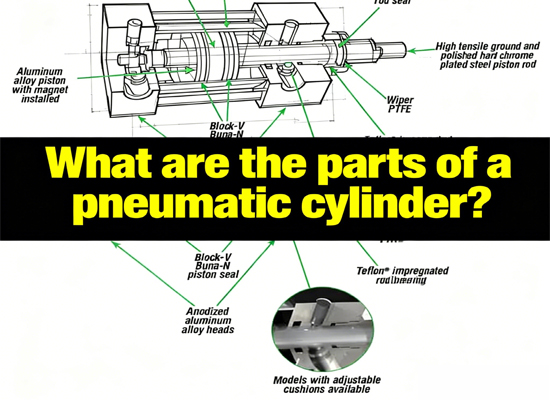
What are the parts of a pneumatic cylinder?
Apr 18, 2025 Blog
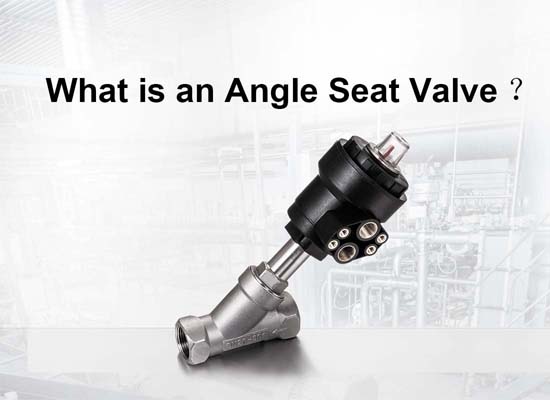
What is an Angle Seat Valve?
Get a free sample

Fokca is a brand of Ningbo Fokca Automation Co., Ltd.
Looking for custom pneumatic cylinder solutions? Visit our sister brand, Fescolo.→
© 2026 Ningbo Fokca Automation Co., Ltd. All rights reserved. Sitemap




 None