Aug 17, 2026
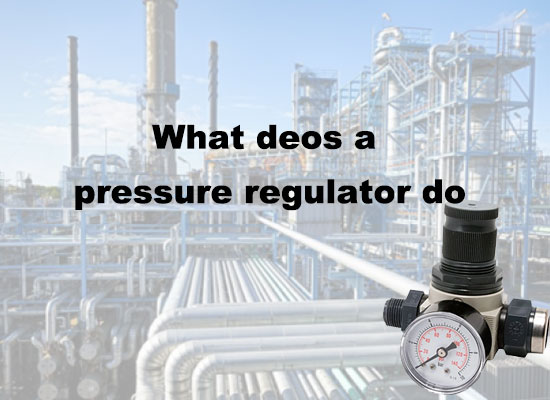
A pressure regulator is an important component in pneumatic, plumbing, and gas supply systems. Its primary function is to reduce high inlet pressure and maintain a controlled downstream pressure suitable for connected equipment.
In an air compressor system, for example, the pressure regulator reduces compressed air from the storage tank to the working pressure required by pneumatic tools and machinery. In plumbing systems, it helps protect pipes, fittings, and water-using appliances from excessive supply pressure.
Without proper pressure regulation, high or fluctuating pressure may cause equipment malfunction, air leakage, premature component wear, or damage to the connected system.
An air compressor usually has two pressure readings: tank pressure and regulated outlet pressure. The tank pressure indicates the compressed air stored in the receiver, while the regulator gauge shows the pressure supplied to downstream equipment.
The regulator controls outlet pressure; it does not normally control the compressor's tank cut-in or cut-out pressure, which is managed by the pressure switch or compressor control system.
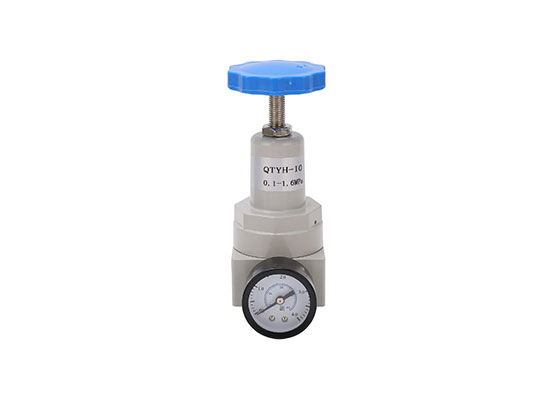
Follow these steps to adjust the regulator safely:
Switch off the compressor and disconnect its power supply before making adjustments or working on the connections. Follow the manufacturer's instructions for isolating the system.
Locate the tank pressure gauge and regulated pressure gauge. Check the current outlet pressure and compare it with the operating requirements of your pneumatic tools or equipment.
You do not normally need to empty the entire storage tank just to adjust the regulator. However, isolate the downstream equipment and release trapped pressure before disconnecting any components.
The regulator is generally installed near the compressor's air outlet. Some models have a push-pull locking knob. Pull it upward or release the lock according to the manufacturer's instructions before adjustment.
On most conventional regulators:
● Turn clockwise to increase the regulated outlet pressure.
● Turn counterclockwise to decrease the regulated outlet pressure.
Make small adjustments while monitoring the outlet pressure gauge. Do not exceed the pressure rating of the connected tools, hoses, fittings, or equipment.
If possible, check the regulated pressure while air is flowing through the system. The outlet pressure under flow may differ from the static reading because of pressure drop.
Make further adjustments if necessary, then lock the knob to prevent accidental changes.
Reconnect the equipment and restore the air supply. Check whether the tools operate normally and whether the outlet pressure remains within the required range.
Correct installation helps prevent air leakage and ensures stable pressure control. Before starting, confirm that the regulator's pressure rating, connection size, and airflow capacity are suitable for the compressor.
Turn off and disconnect the compressor from its power source. Close the relevant isolation valve and release pressure from the section of piping where the regulator will be installed. Never remove a pressurized fitting.
Check the regulator's inlet and outlet threads, sealing surfaces, and accessories. Use a suitable thread sealant or PTFE tape for compatible tapered threaded connections. Avoid applying tape to parallel threads that seal with an O-ring or gasket.
Connect the regulator to the compressor's air supply outlet or the designated downstream air line. Follow the airflow arrow marked on the valve body.
Tighten threaded connections securely without excessive force. For quick-connect fittings, confirm that the locking mechanism is fully engaged.
Connect the regulator outlet to the air hose, pneumatic tools, or downstream equipment. Ensure that all hoses and fittings are rated for the system's maximum possible pressure.
Reconnect the compressor and gradually restore the air supply. Inspect the regulator body and all connections for air leakage. If leakage occurs, isolate and depressurize the affected section before correcting the connection.
Adjust the regulator according to the equipment's operating requirements. Monitor the outlet gauge and check the pressure under actual airflow conditions.
Operate the connected equipment and observe pressure stability, airflow, and regulator performance. If the pressure fluctuates excessively or cannot reach the required setting, check for insufficient compressor capacity, blocked filters, undersized piping, or an unsuitable regulator.
A pressure regulator does more than reduce pressure. It helps match the air supply to the operating requirements of downstream equipment, reducing unnecessary mechanical stress and supporting stable pneumatic performance.
Correct adjustment and installation are equally important. By checking pressure ratings, airflow direction, connection sealing, and actual operating pressure, users can improve system reliability and avoid common pressure-related problems.
You May Interest In

Dec 02, 2025 Blog
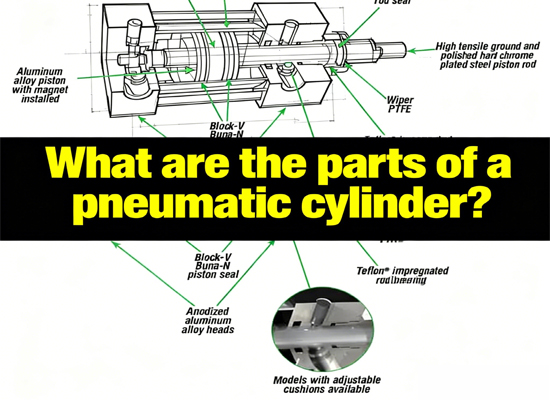
What are the parts of a pneumatic cylinder?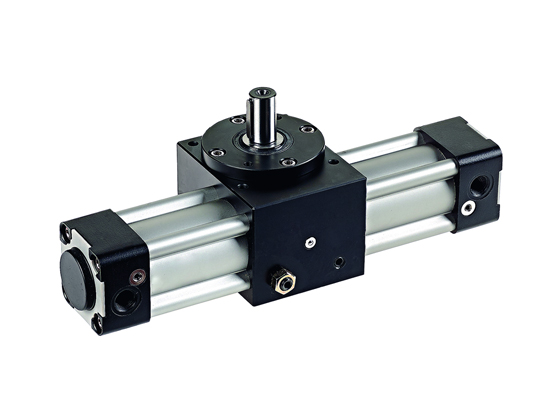

Apr 18, 2025 Blog
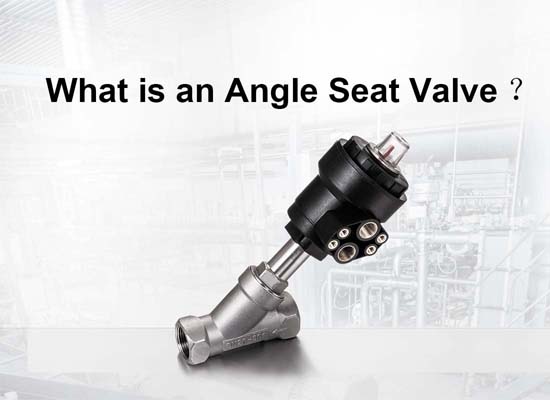
What is an Angle Seat Valve?
Get a free sample

Fokca is a brand of Ningbo Fokca Automation Co., Ltd.
Looking for custom pneumatic cylinder solutions? Visit our sister brand, Fescolo.→
© 2026 Ningbo Fokca Automation Co., Ltd. All rights reserved. Sitemap




 None