Nov 06, 2026
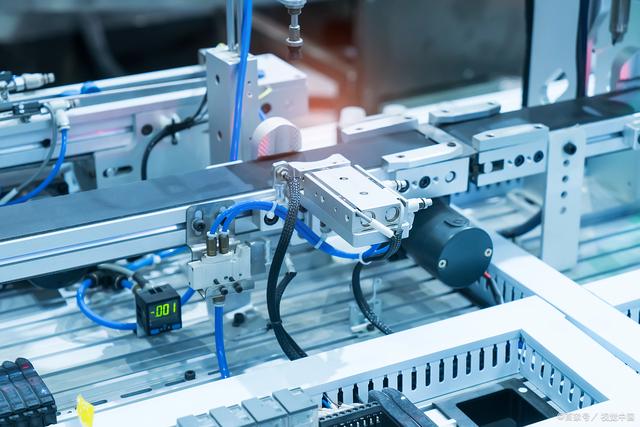
A pneumatic system uses compressed air as its power source to generate, transmit, and control mechanical motion. It enables machines to perform various operations, including linear movement, clamping, lifting, and material handling.
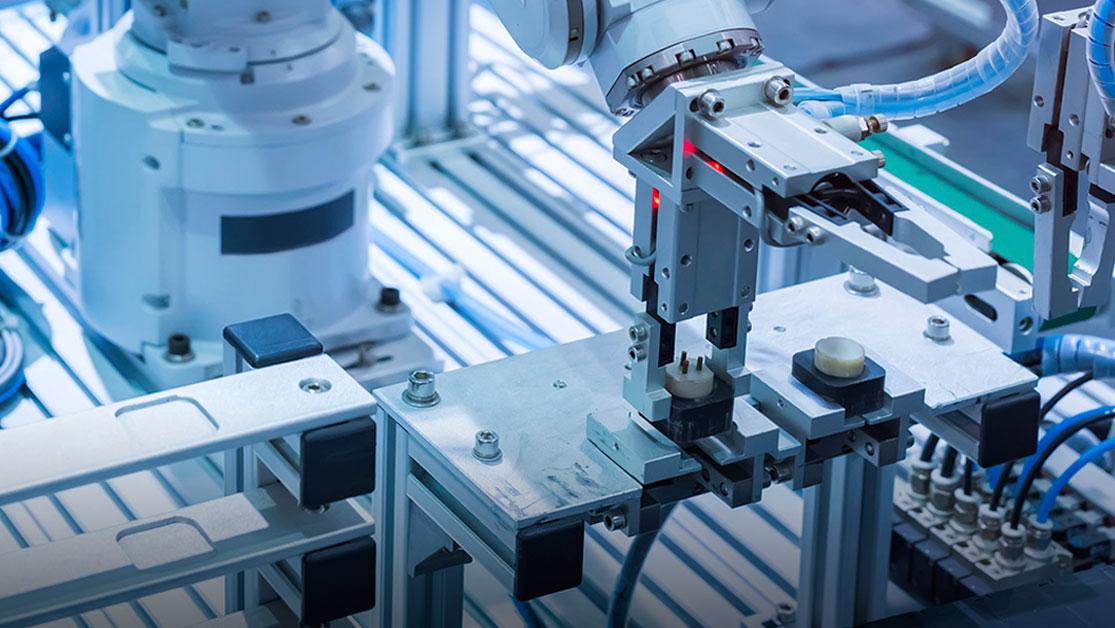
A typical pneumatic system consists of an air supply unit, control valves, actuators, and connecting components. Compressed air is regulated and directed through valves to pneumatic actuators, where air pressure is converted into mechanical force. This drives cylinders or other actuators to extend, retract, or rotate according to the required operation. Thanks to their simple design, cost-effectiveness, quick response, and ease of maintenance, pneumatic systems are widely adopted in industrial automation, robotic equipment, manufacturing lines, and medical devices.
Compressor
Produces compressed air and provides the energy source required to drive pneumatic equipment.
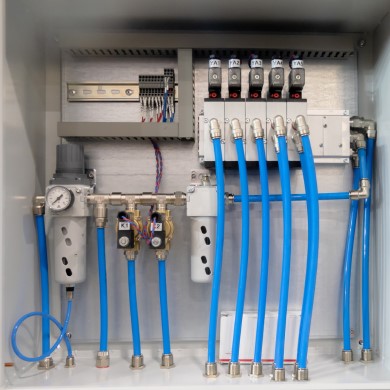
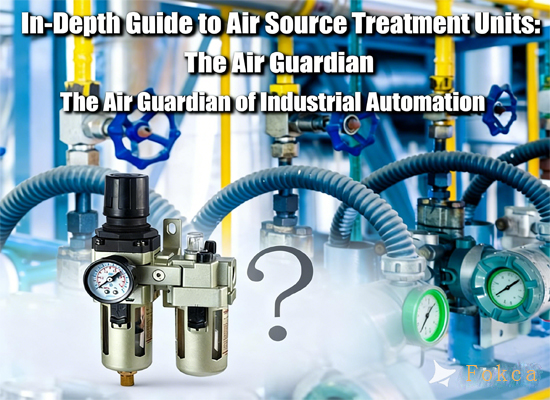
Air Treatment Units
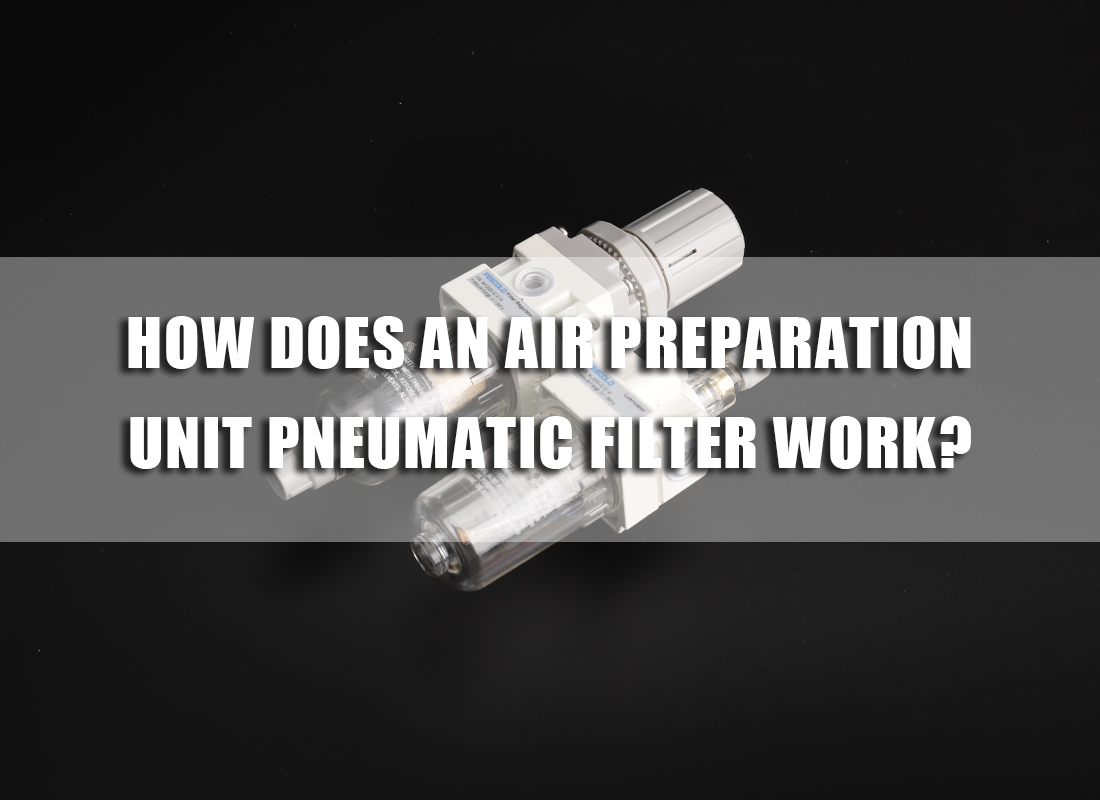
Remove contaminants, adjust air pressure, and provide lubrication to maintain clean air and stable system performance.
Air Tubing and Fittings
Connect pneumatic components and create reliable pathways for compressed air transmission throughout the system.
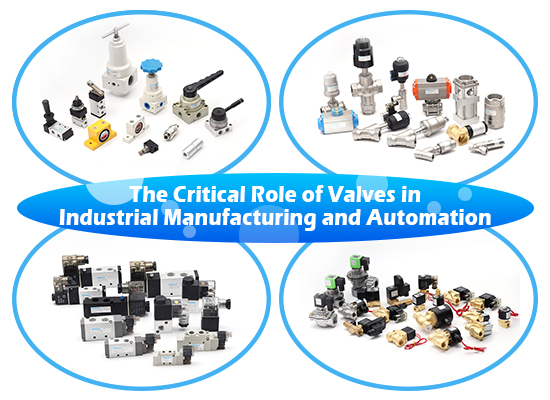
Valves
Regulate airflow by controlling its direction, pressure, flow rate, and switching operations.
Actuators
Transform compressed air into mechanical energy to produce linear, rotary, or other types of motion.
Auxiliary Components
Support system operation through protection, pressure monitoring, noise control, and other essential functions.
Functional Components
Carry out specialized tasks, including pneumatic logic operations, signal control, and precise pressure adjustment.
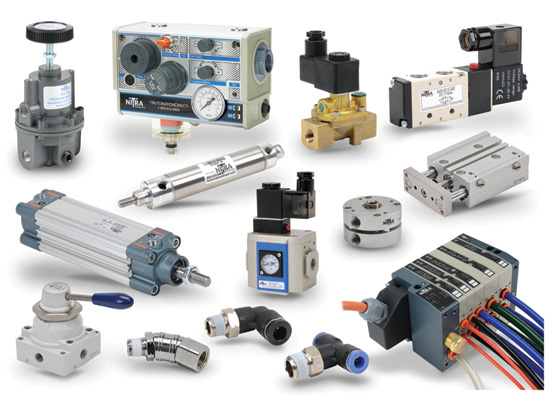
Air Supply Stage
The compressor draws in and compresses air, which is then stored in an air receiver. Filters remove moisture and contaminants, while regulators maintain the required operating pressure before the air enters the system.
Control Stage
Control valves and switches manage the distribution of compressed air throughout the circuit. By regulating airflow direction, pressure, and flow rate, they determine the timing and sequence of actuator operations.
Actuation Stage
Compressed air is delivered to pneumatic cylinders or air motors, where pressure energy is converted into mechanical force and motion. This enables operations such as pushing, pulling, clamping, lifting, and rotating.
Air tubing and fittings connect the components across all three stages, ensuring continuous air supply, secure connections, and reliable system operation.
Simple Structure and Easy Maintenance
A straightforward design with fewer moving parts simplifies installation, troubleshooting, and routine maintenance.
Safe Operation
Compressed air is non-flammable, helping minimize fire risks in industrial working environments.
Fast Response
Rapid air transmission and actuator response make pneumatic systems suitable for high-speed, repetitive operations.
Clean and Hygienic
Air-powered operation avoids oil contamination in the working process, making pneumatic systems suitable for food processing and medical equipment.
Economical Solution
Standardized components are generally affordable, readily available, and easy to replace, helping reduce overall operating costs.
Flexible Force and Speed Control
Adjusting air pressure and flow rate allows users to regulate actuator force and operating speed for different requirements.
Reliable Performance in Harsh Environments
Robust pneumatic components can withstand demanding operating conditions, including dust, moisture, vibration, and certain corrosive environments, when properly selected and protected.
Wide Application Adaptability
Different pneumatic tubing materials and types offer solutions for varying pressure levels, temperatures, chemical exposure, and cleanliness requirements, helping pneumatic systems adapt to diverse industrial applications.
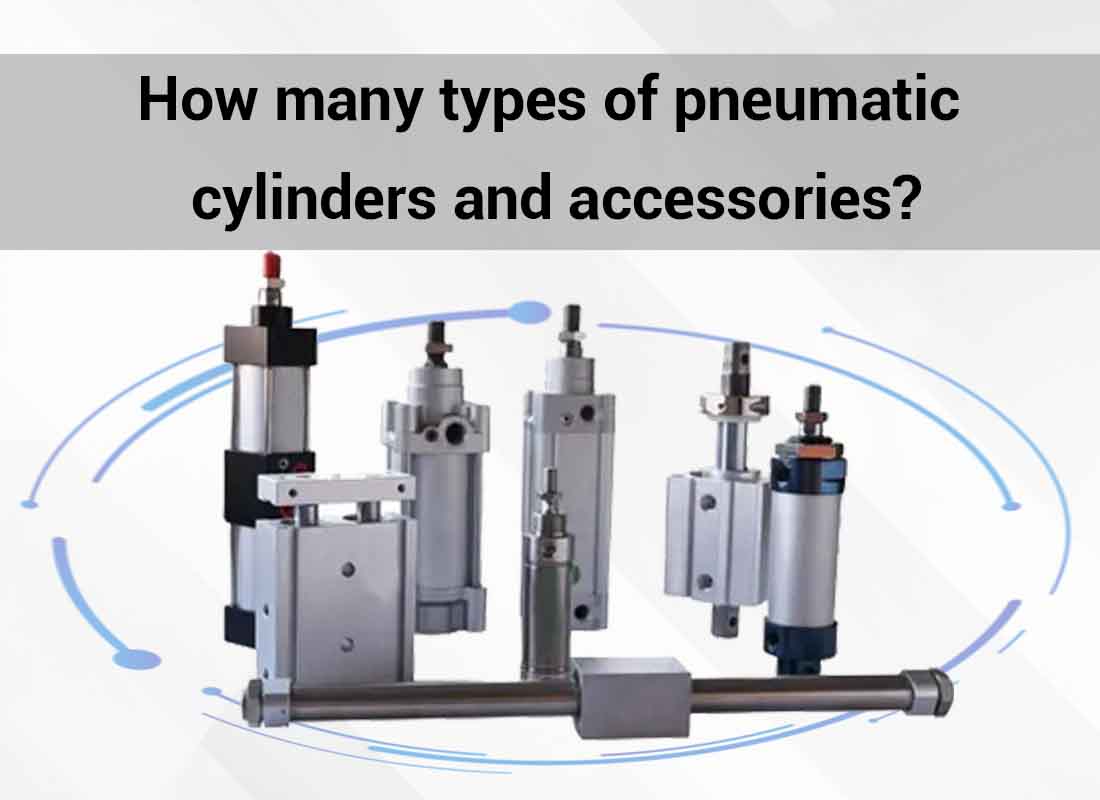
Fokca is an automatic component manufacturer with a product range that includes various pneumatic components, such as cylinders, pneumatic hoses and fittings, and different types of valves.
 Valve DN Explained: What Size Is DN15, DN20, DN25 and How to Choose?
 How a pneumatic system works-Fokca Automation
 FRL: A 5-Minute Illustrated Selection Guide
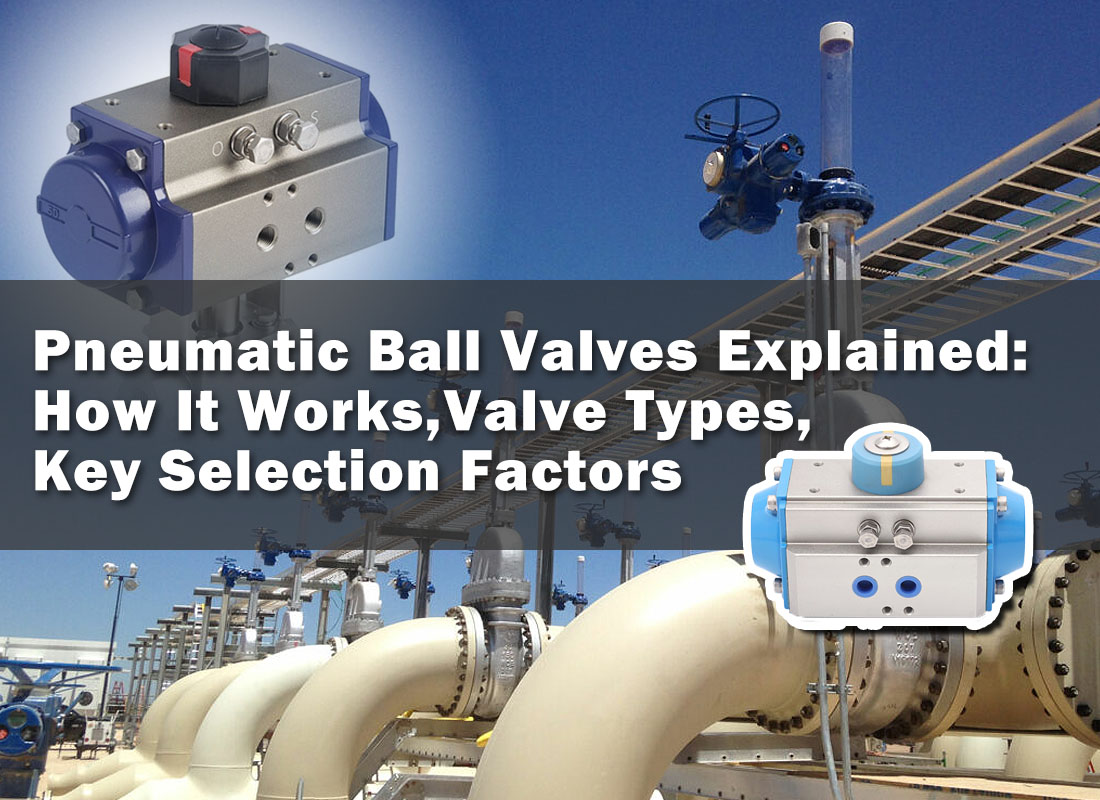 Pneumatic Ball Valves Explained: How It Works, Valve Types, and Key Selection Factors
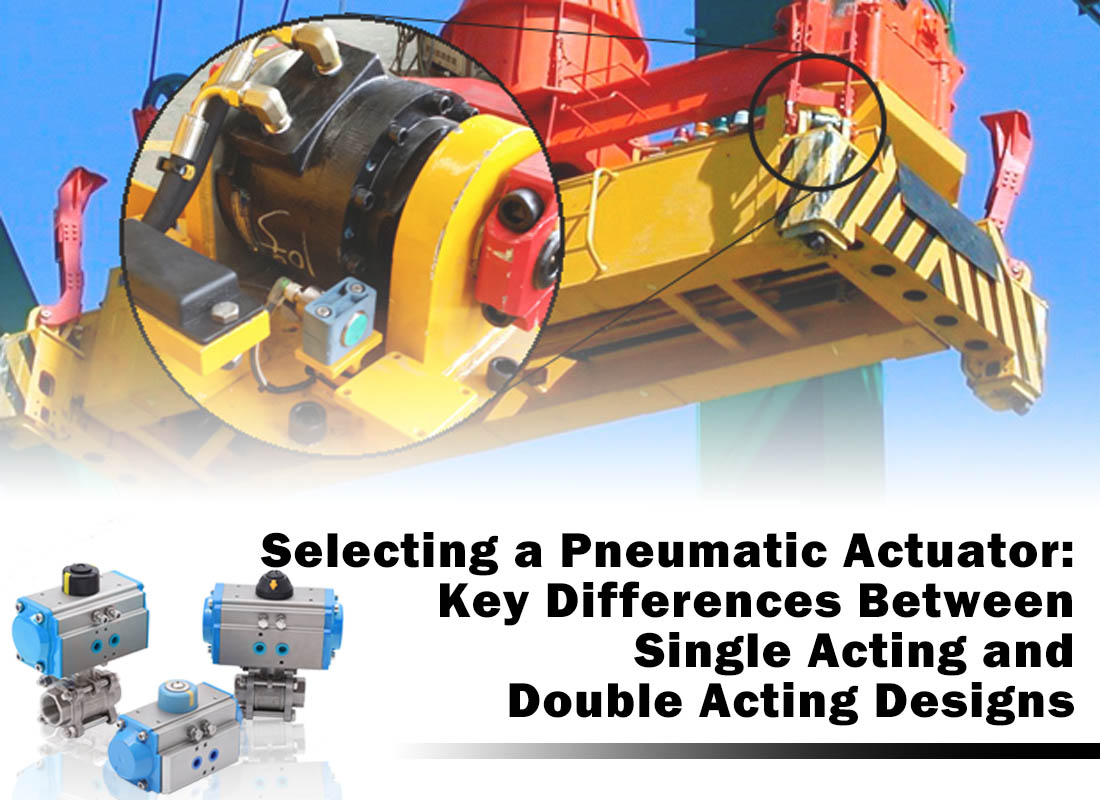 Selecting a Pneumatic Actuator: Key Differences Between Single Acting and Double Acting Designs
You May Interest In

Dec 02, 2025 Blog
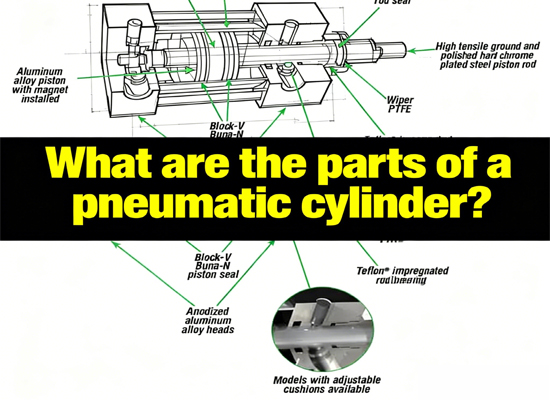
What are the parts of a pneumatic cylinder?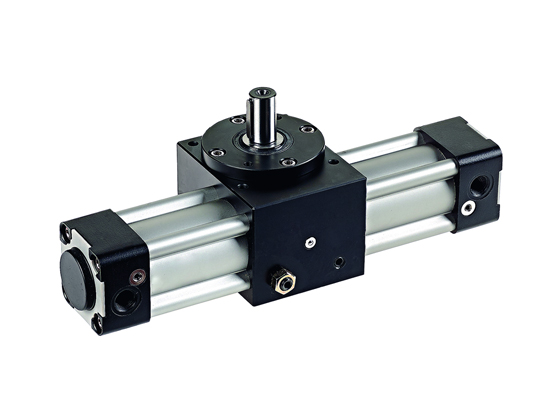

Apr 18, 2025 Blog
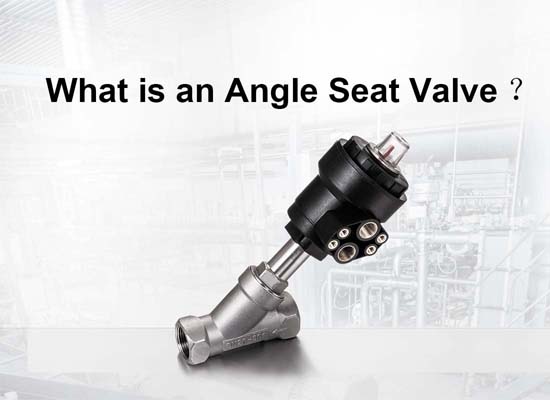
What is an Angle Seat Valve?
Get a free sample

Fokca is a brand of Ningbo Fokca Automation Co., Ltd.
Looking for custom pneumatic cylinder solutions? Visit our sister brand, Fescolo.→
© 2026 Ningbo Fokca Automation Co., Ltd. All rights reserved. Sitemap