Nov 05, 2026
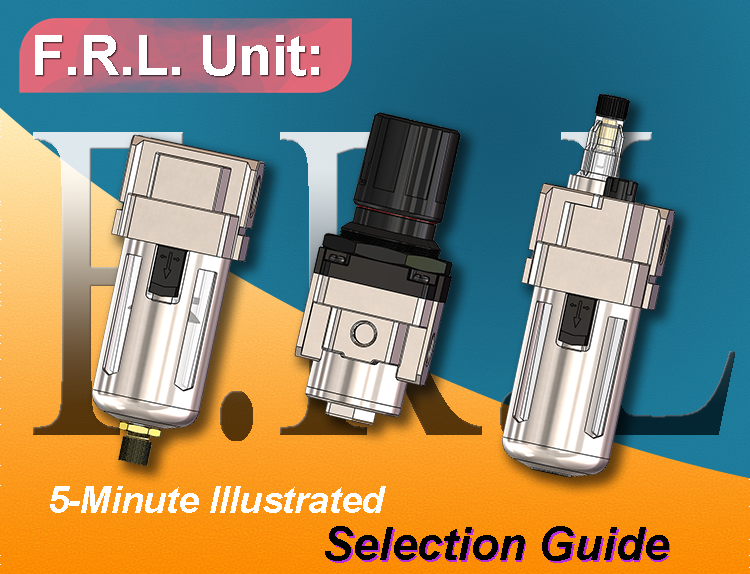
After exploring the working principle and internal structure of air treatment units, you now have a better understanding of how these components condition compressed air. The next step is to apply that knowledge to a practical decision: choosing an air treatment unit that matches your system requirements.
With different technical specifications, configurations, and manufacturers on the market, selecting the right model can be challenging. Whether you are comparing flow capacity, operating pressure, filtration accuracy, or established brands such as FESTO and SMC, several factors deserve careful consideration. This guide examines the essential selection criteria, compares brand characteristics, and explains how to assess product quality to help you make an informed choice.
Flow rate is one of the key factors when selecting an air treatment unit, as it directly affects the air supply capacity of filters, pressure regulators, and lubricators. Start by calculating the maximum combined air consumption of all downstream pneumatic equipment. Then choose a unit whose rated flow capacity provides sufficient allowance above the calculated demand. An undersized unit can restrict airflow, cause downstream pressure drops, and reduce equipment operating efficiency.
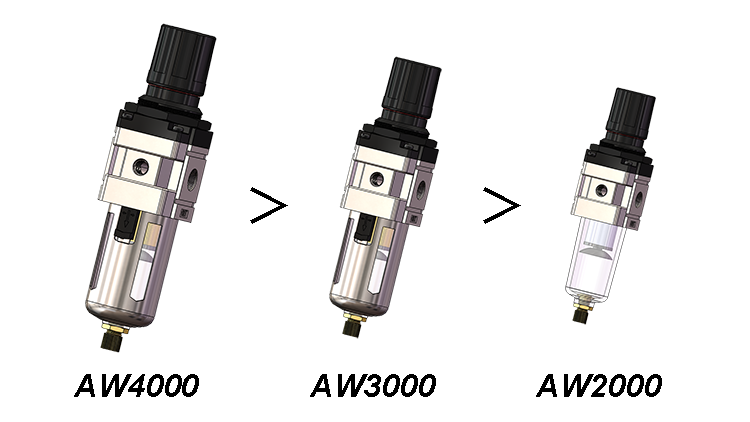
For units within the same product series, larger connection sizes and body dimensions generally provide greater flow capacity. For example, in the Fescolo AC series, the typical flow capacity follows this order: AC4010 > AC3010 > AC2010.
Filtration accuracy determines the level of contaminants removed from compressed air and is generally specified by the filter element's micron rating. In pneumatic applications, common filtration grades range from 40 μm to 5 μm, depending on the required air quality and operating conditions.
However, finer filtration does not necessarily mean better system performance. A higher filtration level may restrict airflow, increase pressure drop, and reduce overall flow capacity. For example, FOKCA pneumatic triplex units can deliver different flow rates depending on the filtration grade of the installed filter element. Therefore, the filtration rating should be selected according to the actual air quality requirements rather than simply choosing the finest available option.
Working pressure specifies the allowable operating pressure range of an air treatment unit and must be compatible with the pressure requirements of the downstream pneumatic equipment.
Operating above the rated limit can accelerate seal deterioration, shorten the service life of the FRL unit, increase operating noise, and compromise system stability.
It is also important to distinguish working pressure from proof pressure. Exceeding the proof pressure may cause permanent damage or unpredictable component behavior. Prolonged exposure to excessive pressure can even cause vulnerable parts, such as polycarbonate bowls and oil sight glasses, to crack or rupture, creating potential safety hazards for the entire pneumatic system.
Common pressure unit conversions:
1 MPa = 10 bar
1 MPa ≈ 145 psi
1 MPa ≈ 10.2 kgf/cm²
Compressed air typically flows in and out of the unit through tubing and fittings. If the tube diameter or fittings are incompatible with the unit's size, the system's flow and working pressure may be restricted, or installation may become impossible. Choosing appropriate mounting brackets can help avoid additional installation challenges.
Larger models generally offer higher flow rates but come with increased costs. Their larger size may also pose installation difficulties, so practical considerations should guide your choice.
Festo: Known for its refined appearance and precise pressure adjustment. Most models feature zinc alloy construction for good pressure resistance, with aluminum alloy versions also available.
SMC: Offers a broad range of applications and relatively high flow capacity. Selected series, such as the AD12, feature aluminum alloy construction.
Airtac: Provides economical air treatment solutions, with selected models featuring all-plastic construction for lightweight design and cost efficiency.
With hundreds of air treatment units on the market, how can you determine whether a unit is good or not? What details should you pay attention to when purchasing one to ensure a better user experience?
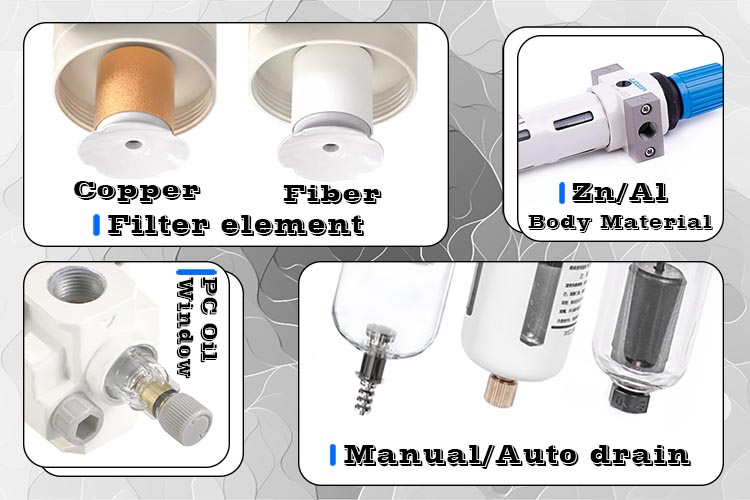
The material of the valve body is one of the first factors to evaluate when assessing an air treatment unit. Zinc alloy generally provides good pressure resistance, followed by aluminum alloy, while plastic bodies are typically used in applications with lower pressure requirements. FESCOLO air treatment units feature precision die-cast valve bodies with carefully controlled sealing surfaces to minimize internal leakage. This helps maintain stable pressure and reduce air loss during operation, including under demanding pressure conditions.
The water bowl and oil bowl also play an important role in overall product safety. Poor-quality materials may become brittle, crack, or rupture under pressure, potentially causing sudden air leakage, equipment damage, and safety hazards.
FESCOLO uses high-quality polycarbonate (PC) for its transparent bowls. This material offers good elasticity, impact resistance, fatigue performance, and electrical insulation. Its high transparency also makes it easy to monitor accumulated condensate and lubricant levels, allowing operators to identify when drainage or refilling is needed.
The filter element directly affects filtration performance, durability, and maintenance requirements. FESCOLO air treatment units use copper or fiber filter elements, depending on the product configuration.
Copper filter elements offer good heat and corrosion resistance and can generally be cleaned and reused when their condition permits. Fiber filter elements provide a rigid filtration structure and can deliver more consistent filtration performance than ordinary low-grade plastic elements. They are also less susceptible to deformation and cracking during long-term use when properly selected for the operating conditions.
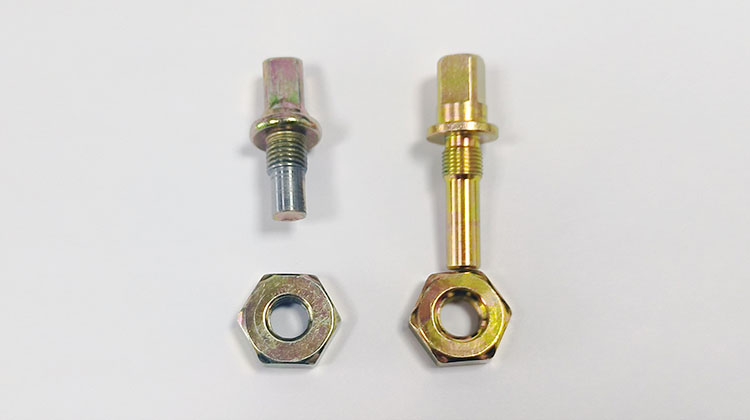
Manufacturing quality is reflected not only in material selection but also in the precision of individual components. For example, FESCOLO uses specially manufactured precision adjustment screws (shown on the right) to provide finer and more consistent pressure regulation.
Automated precision machining and controlled surface treatment further improve dimensional consistency, surface appearance, and resistance to corrosion and wear. These manufacturing details contribute to smoother adjustment, dependable operation, and longer component
The regulating spring plays an important role in an air regulator's pressure adjustment performance. Its material strength, elasticity, and fatigue resistance directly influence regulation accuracy, pressure stability, and long-term reliability. For applications requiring precise pressure control, springs should be manufactured with tight dimensional and performance tolerances to ensure consistent adjustment over repeated operating cycles.
Beyond the main structural components, several design details can also affect daily operation and maintenance. When comparing different air treatment units, consider whether the adjustment knob features an anti-slip surface and a locking mechanism, whether the lubricator allows convenient oil refilling, and whether the oil feed rate can be adjusted accurately. These practical features can make installation, adjustment, and routine maintenance easier.
FOKCA (FESCOLO) specializes in pneumatic components, including standard and custom pneumatic cylinders, as well as air treatment products. With integrated manufacturing and engineering capabilities, we provide pneumatic solutions for industrial automation and various equipment applications.
Product reliability starts with material selection and continues throughout the manufacturing process. We select suitable aluminum and zinc alloys for different product requirements. Valve bodies undergo precision die-casting, automated machining, and controlled surface treatment. Strict dimensional inspections, pressure testing, and airtightness testing are incorporated into our quality control procedures to verify product performance and consistency.
For more product specifications and available configurations, visit our Air Treatment Units product page. You can also explore the FESCOLO Blog for technical articles, videos, product images, and engineering resources covering pneumatic components and their industrial applications.
 Valve DN Explained: What Size Is DN15, DN20, DN25 and How to Choose?
 How a pneumatic system works-Fokca Automation
 FRL: A 5-Minute Illustrated Selection Guide
 Pneumatic Ball Valves Explained: How It Works, Valve Types, and Key Selection Factors
 Selecting a Pneumatic Actuator: Key Differences Between Single Acting and Double Acting Designs
You May Interest In

Dec 02, 2025 Blog
What are the parts of a pneumatic cylinder?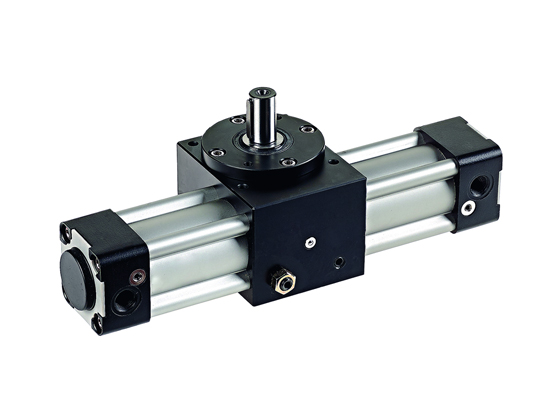



Apr 18, 2025 Blog
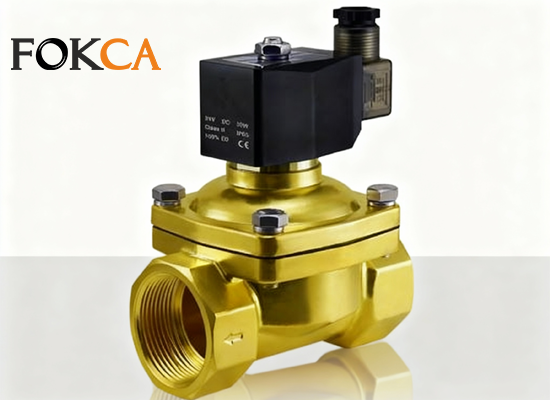
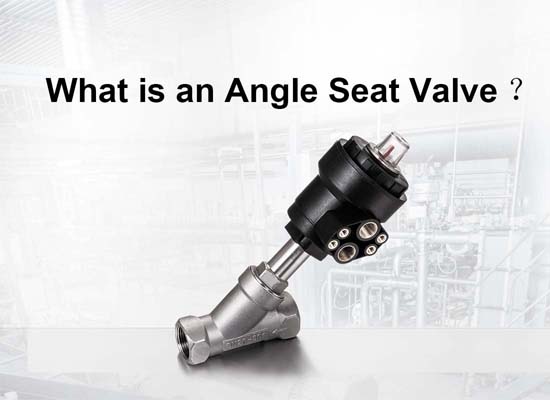
What is an Angle Seat Valve?
Get a free sample

Fokca is a brand of Ningbo Fokca Automation Co., Ltd.
Looking for custom pneumatic cylinder solutions? Visit our sister brand, Fescolo.→
© 2026 Ningbo Fokca Automation Co., Ltd. All rights reserved. Sitemap