Nov 24, 2026
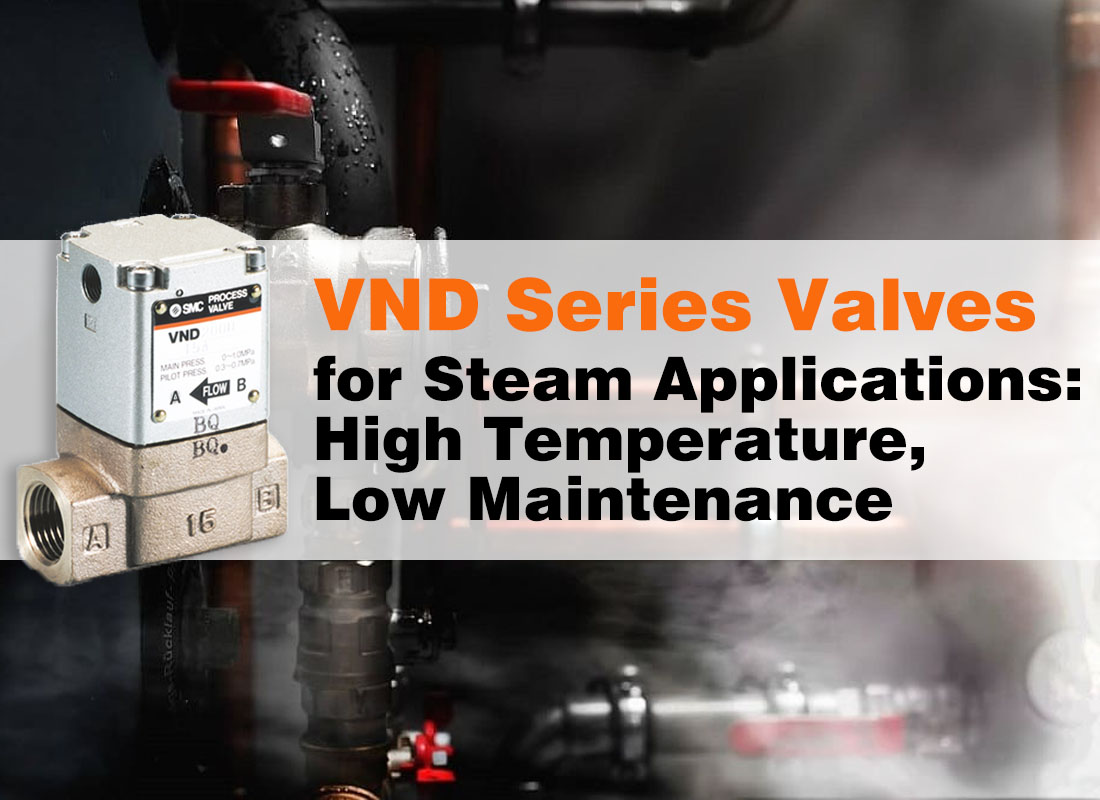
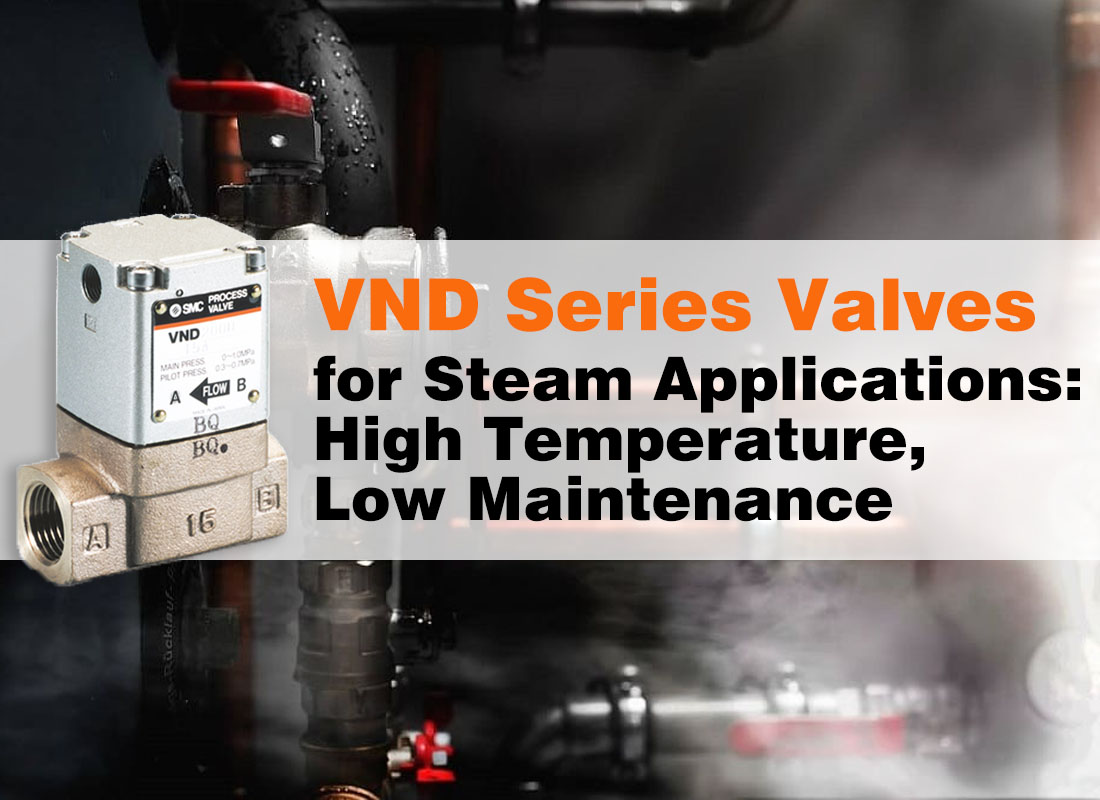
The VND series steam valve is designed for steam-related applications where temperature resistance and dependable shutoff are important. Its PTFE sealing design and steam-oriented construction make it suitable for evaluating in food processing, pharmaceutical equipment, packaging machinery, and industrial heating systems.
A valve that performs well with compressed air or room-temperature water may not be suitable for saturated steam. The main concern is often the compatibility of its sealing materials with the actual operating temperature and pressure.
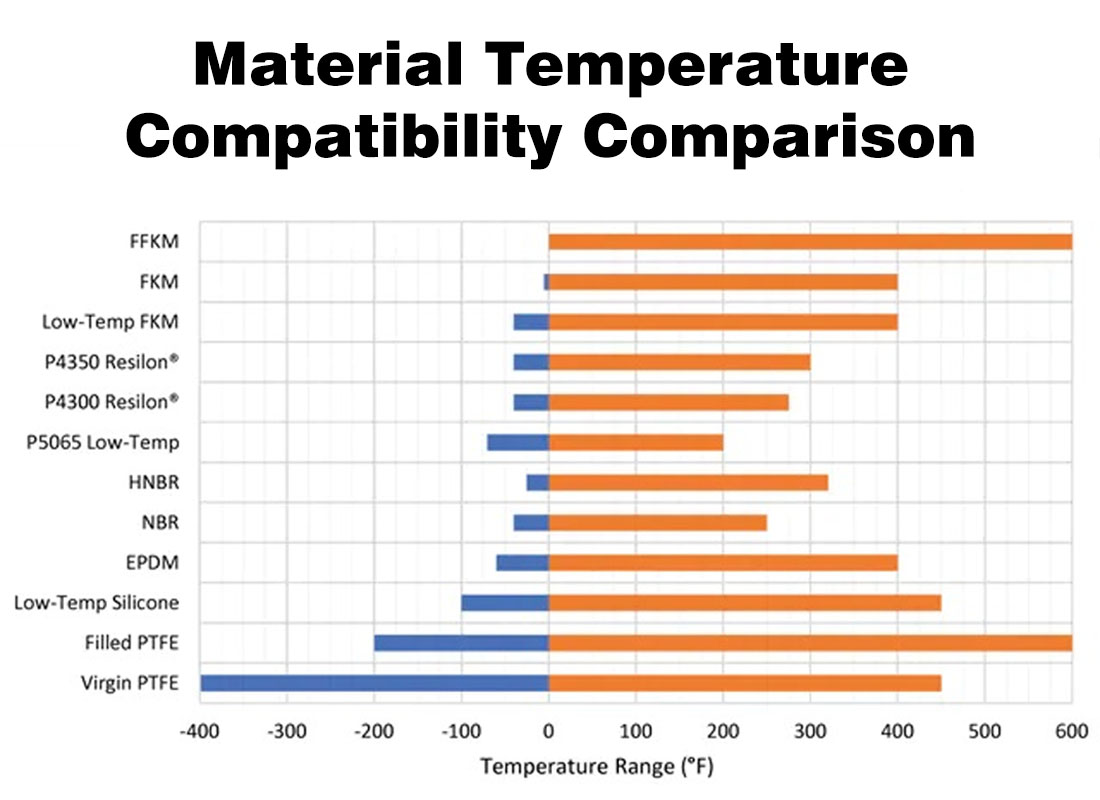
Common elastomers such as NBR and EPDM have different temperature limits and chemical compatibility. Continuous exposure to temperatures beyond their rated ranges can cause hardening, loss of elasticity, swelling, or cracking. These changes may result in internal leakage or reduced sealing performance.
Steam systems also experience thermal expansion and contraction during startup and shutdown. Condensate can collect in low points, and sudden changes in steam flow may create water hammer. These conditions place additional stress on valve seals, internal components, and pipe connections.
For this reason, valve selection should be based on steam-service specifications rather than general-purpose fluid ratings.
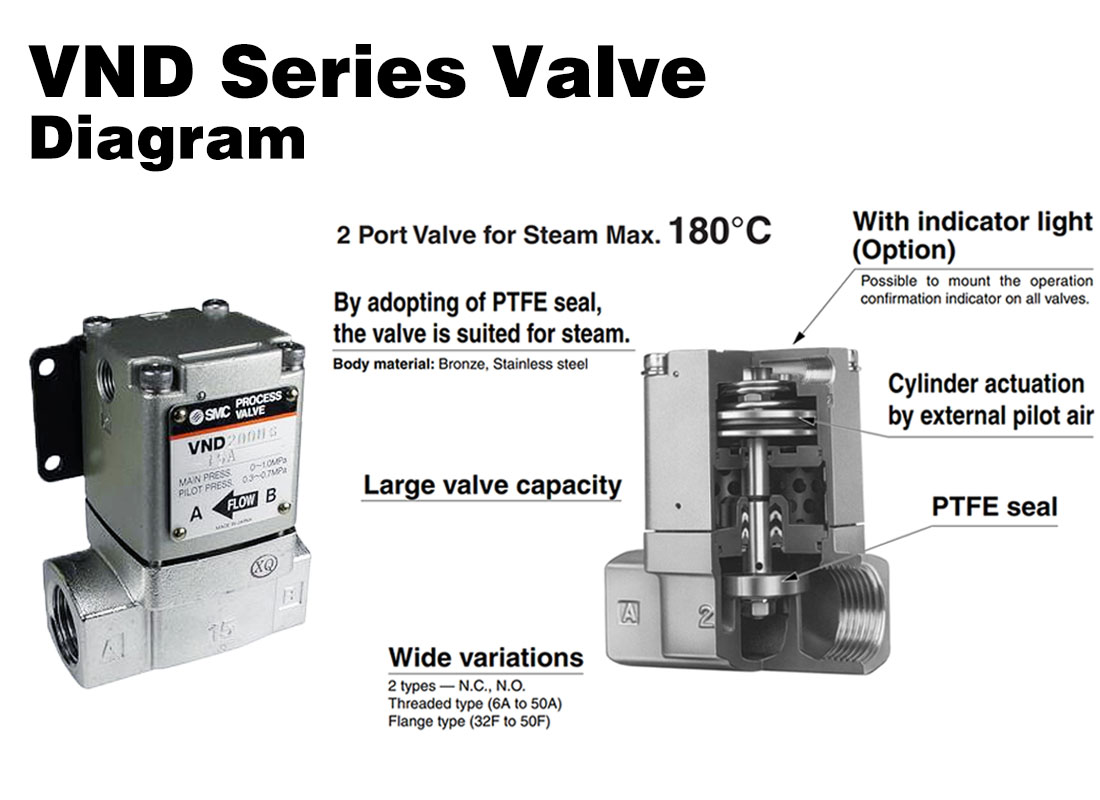
One important feature of the VND series is its use of PTFE (polytetrafluoroethylene) sealing material. PTFE is widely used in industrial fluid-control equipment because of its broad chemical resistance and ability to operate across a relatively wide temperature range.
Compared with many conventional rubber compounds, PTFE offers several advantages in steam applications:
● Temperature resistance: PTFE can withstand elevated temperatures, making it suitable for many industrial steam-control conditions when used within the valve's rated limits.
● Chemical compatibility: It resists many acids, alkalis, and process chemicals that may be present in cleaning or production environments.
● Low friction: Its relatively low friction coefficient can support smooth movement at sealing interfaces.
● Reduced dependence on elastomer properties: It does not rely on rubber-like elasticity in the same way as conventional elastomer seals.
The stated operating temperature range of the VND series is -5°C to 180°C. However, the permitted pressure and temperature combinations should always be confirmed against the manufacturer's specifications. PTFE also has limitations, including creep and deformation under sustained mechanical loading, so correct installation and operating conditions remain essential.
Material selection alone does not determine whether a valve performs reliably in a steam system. Internal flow passages, sealing surfaces, actuator design, and drainage conditions all influence service performance.
A suitable steam valve should allow the medium to pass without unnecessary flow restriction while maintaining reliable shutoff. Its internal design should also be considered in relation to condensate formation and the installation orientation.
Water hammer is not eliminated simply by choosing a particular valve. It is commonly associated with condensate accumulation, rapid changes in flow velocity, and unsuitable startup or shutdown procedures. Proper pipe gradients, steam traps, drainage arrangements, and controlled valve operation are therefore important parts of the overall system design.
For sterilizers, steam-heated jackets, and branch-line isolation, the valve must also match the required switching frequency and operating pressure.
A correctly selected steam valve can still develop leakage problems if the connected pipes, fittings, or seals are unsuitable for high-temperature service.
Standard pneumatic push-in fittings and ordinary plastic tubing should not be assumed suitable for direct steam contact. Their materials and sealing structures may exceed their temperature limits when exposed to steam.
For steam lines, use metal pipes, connectors, and sealing components specifically rated for the intended temperature and pressure. Check thread standards, connection dimensions, material compatibility, and pressure ratings across the complete assembly. The weakest-rated component can limit the safe operating conditions of the system.
VND series steam valves can be considered for applications such as:
● Steam sterilization and heating in food and beverage equipment
● Steam-in-place (SIP) processes in pharmaceutical machinery
● Industrial steam heating and temperature-control circuits
● Steam-operated functions in packaging equipment
Before selecting a valve, review the following parameters:
| Selection factor | What to verify |
| Steam temperature | Normal and maximum operating temperatures |
| Working pressure | Rated pressure at the actual operating temperature |
| Port size | Connection dimensions and required flow capacity |
| Medium | Steam quality and any process-related contaminants |
| Switching frequency | Expected operating cycles and actuator suitability |
| Connections | Compatible pipe, thread, and sealing materials |
A dedicated steam valve may offer more dependable service than a general-purpose fluid valve when the application involves sustained heat or repeated thermal cycling. However, service life and maintenance intervals still depend on installation quality, steam condition, operating pressure, and maintenance practices.
Reliable steam control requires more than a heat-resistant sealing material. The valve, actuator, pipework, fittings, drainage arrangement, and operating procedure must all be suitable for the same service conditions.
By checking the VND series temperature and pressure limits, confirming PTFE compatibility, and using steam-rated connection components, engineers can reduce avoidable leakage and maintenance problems. Proper condensate management and controlled startup procedures further help protect the valve and the surrounding pipeline during long-term operation.
(FK9025)
 How Viscous Fluid Influence Valve Flow Rate Calculation
 Can Pneumatic Valves Operate in Vacuum? Key Insights for Industrial Automation
 VND Series Valves for Steam Applications: High Temperature, Low Maintenance
 Common Pressure Unit Conversion Guide: bar, MPa, psi, and kgf
 Decoding Solenoid Valve Types: Key Differences of 4V, 3V, and 2V
You May Interest In

Dec 02, 2025 Blog
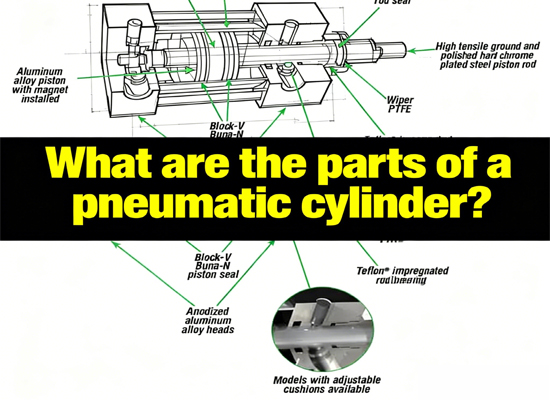
What are the parts of a pneumatic cylinder?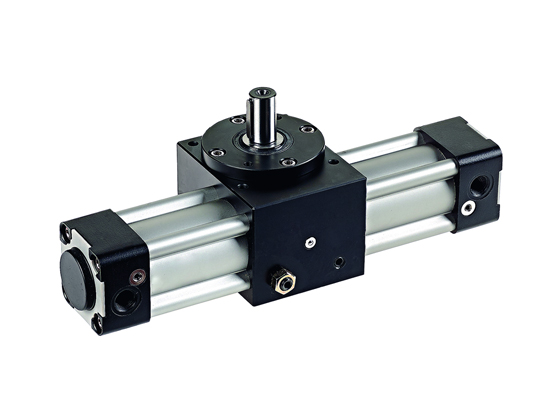


Apr 18, 2025 Blog
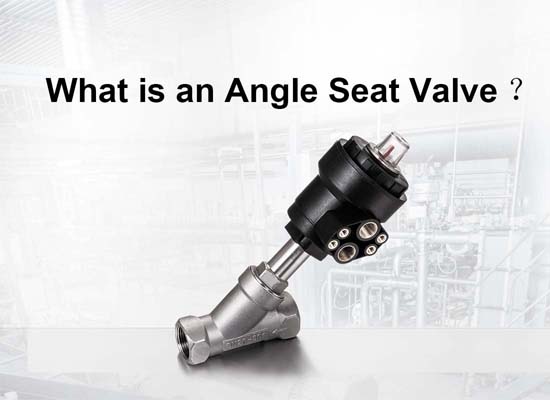
What is an Angle Seat Valve?
Get a free sample

Fokca is a brand of Ningbo Fokca Automation Co., Ltd.
Looking for custom pneumatic cylinder solutions? Visit our sister brand, Fescolo.→
© 2026 Ningbo Fokca Automation Co., Ltd. All rights reserved. Sitemap