Nov 23, 2026
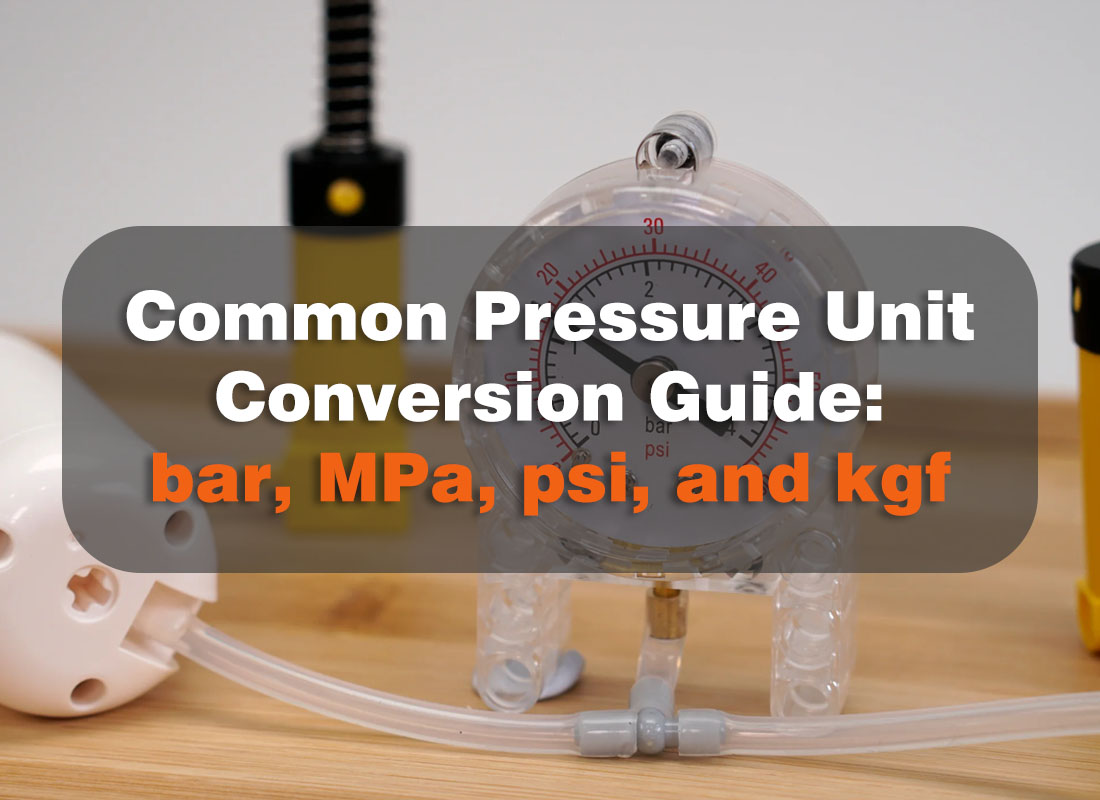
Pressure is one of the most frequently referenced parameters in pneumatic, hydraulic, and fluid control equipment. It appears on pressure gauges, valve specifications, cylinder datasheets, regulators, and system drawings. However, manufacturers in different markets may use different units, making it difficult to compare technical information at a glance.
For engineers, maintenance teams, and equipment buyers, understanding the relationship between bar, MPa, kPa, psi, and kgf/cm² helps reduce specification errors and supports safer equipment selection.
Pressure measurement has developed through several engineering and regional standards. The Pascal is the SI unit, while bar remains common in industrial applications. North American equipment frequently uses psi, and older machinery may still display kgf/cm².
These units describe the same physical quantity but use different scales. A pressure value can therefore look very different depending on the unit shown. For example, a pneumatic system operating at 0.6 MPa may be described as 6 bar or approximately 87 psi.
Knowing the conversion relationships is especially useful when integrating imported valves, actuators, filters, and other components into an existing system.
The bar is widely used in pneumatic automation and industrial fluid systems. Its convenient relationship with MPa makes it easy to read and apply during equipment setup.
The basic conversion is:
1 bar = 0.1 MPa = 100 kPa
For example, a pneumatic circuit operating at 6 bar has a pressure of 0.6 MPa. Similarly, a component rated at 10 bar has a nominal pressure equivalent of 1 MPa.
Bar is not an SI unit, but its practical scale makes it common on industrial pressure gauges and component specifications.
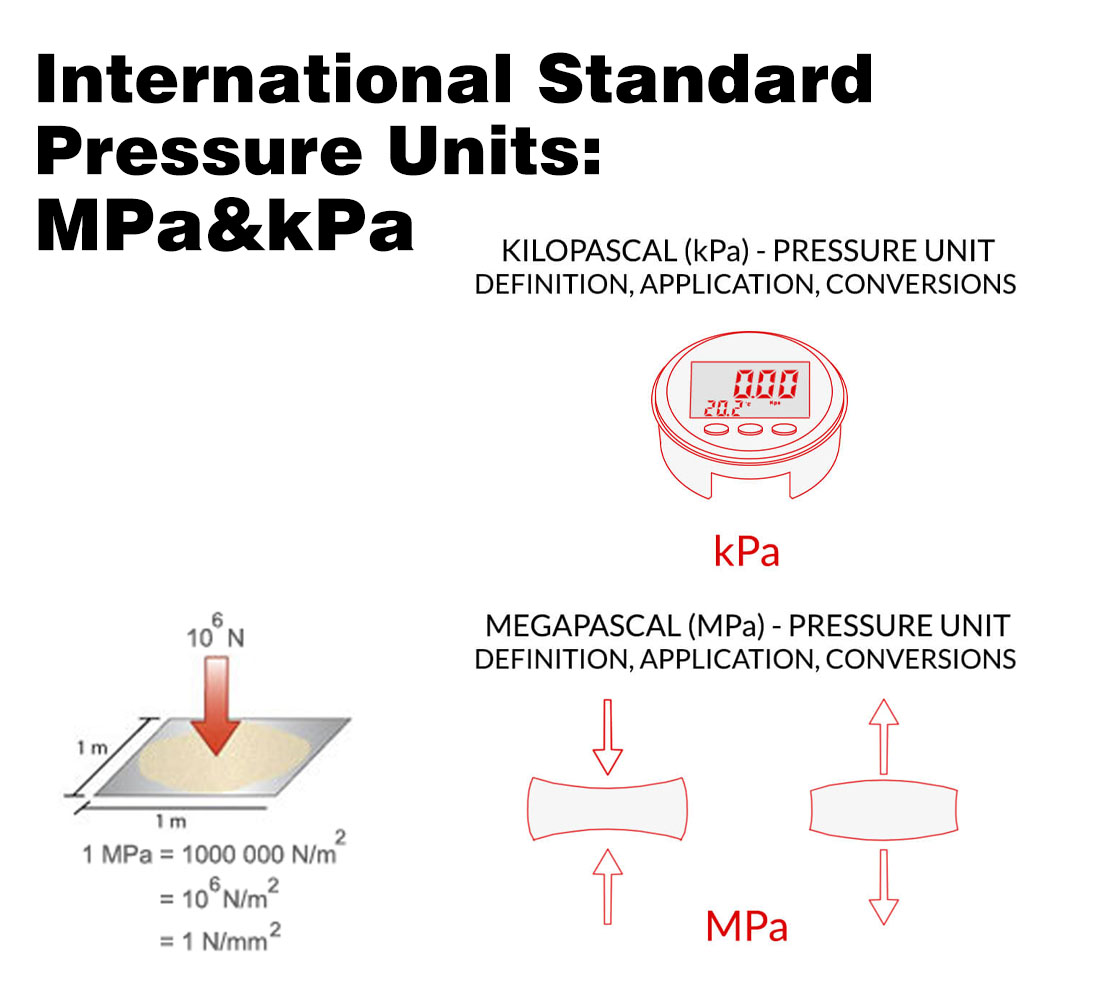
The Pascal (Pa) is the SI unit of pressure. One Pascal equals one Newton of force applied over an area of one square meter.
Because one Pa is relatively small for most industrial applications, engineers commonly use kilopascals (kPa) and megapascals (MPa).
| Unit | Conversion |
| 1 kPa | 1,000 Pa |
| 1 MPa | 1,000 kPa |
| 1 MPa | 10 bar |
| 1 MPa | Approximately 145 psi |
MPa is frequently used in technical specifications for valves, hydraulic equipment, and pressure-bearing components. kPa is useful for lower-pressure applications, including certain filtration and ventilation systems.
The unit kgf/cm² represents kilogram-force per square centimeter. It describes the pressure generated by a force of one kilogram-force acting on an area of one square centimeter.
Although it is not an SI unit, it remains visible on older pressure gauges and machinery, particularly in equipment designed around traditional Asian engineering conventions.
Its relationship with bar is close but not exact:
1 kgf/cm² ≈ 0.9807 bar
For quick reference, 1 kgf/cm² is often treated as approximately 1 bar. However, more precise conversions should be used when checking pressure limits or calibrating instruments.
PSI stands for pounds per square inch. It is widely used in the United States and other markets that follow imperial engineering conventions.
The conversion is:
1 bar ≈ 14.504 psi
This unit commonly appears on compressors, pressure regulators, pneumatic tools, and imported industrial components.
For example:
● 90 psi ≈ 6.21 bar
● 100 psi ≈ 6.89 bar
● 150 psi ≈ 10.34 bar
When replacing a component in a system specified in psi, engineers should convert both the normal operating pressure and the maximum allowable pressure before comparing product ratings.
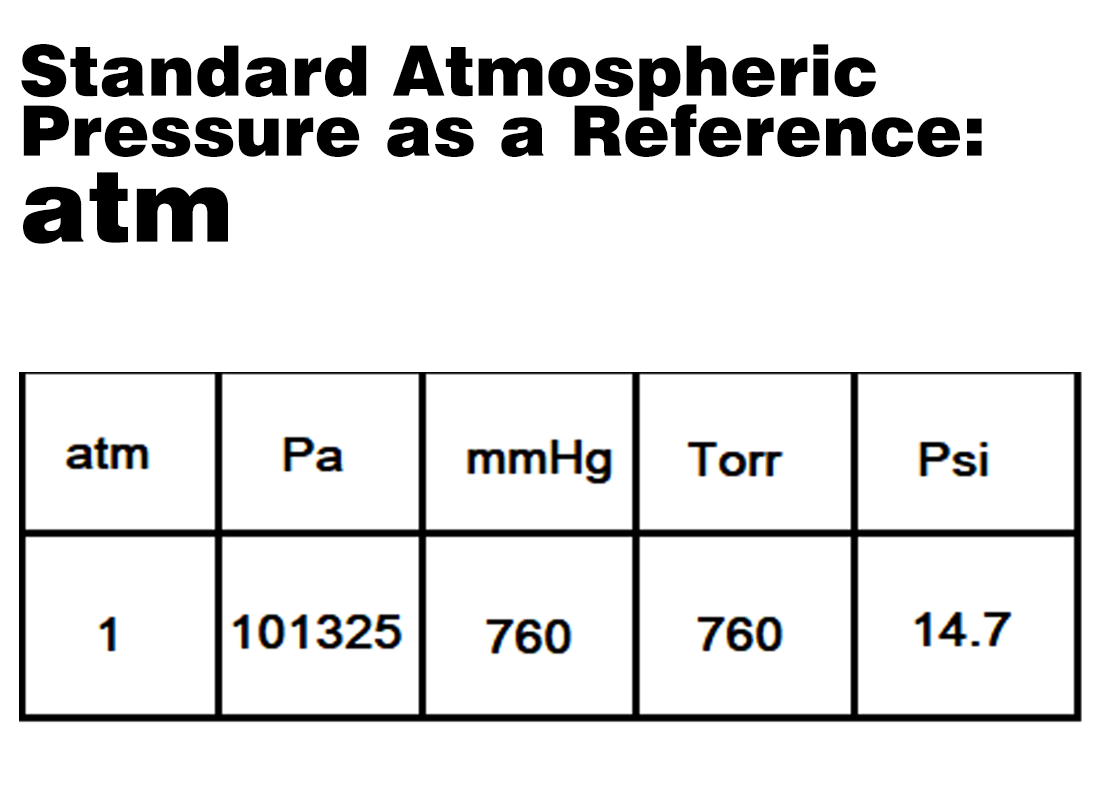
The standard atmosphere (atm) is mainly used as a reference for atmospheric pressure rather than as the primary unit for industrial component ratings.
One standard atmosphere is defined as 101,325 Pa, giving the following relationship:
1 atm = 1.01325 bar ≈ 101.325 kPa
Although atm and bar are close in value, they should not be treated as identical in precision-sensitive calculations.
The following table provides approximate equivalents for common industrial pressure values.
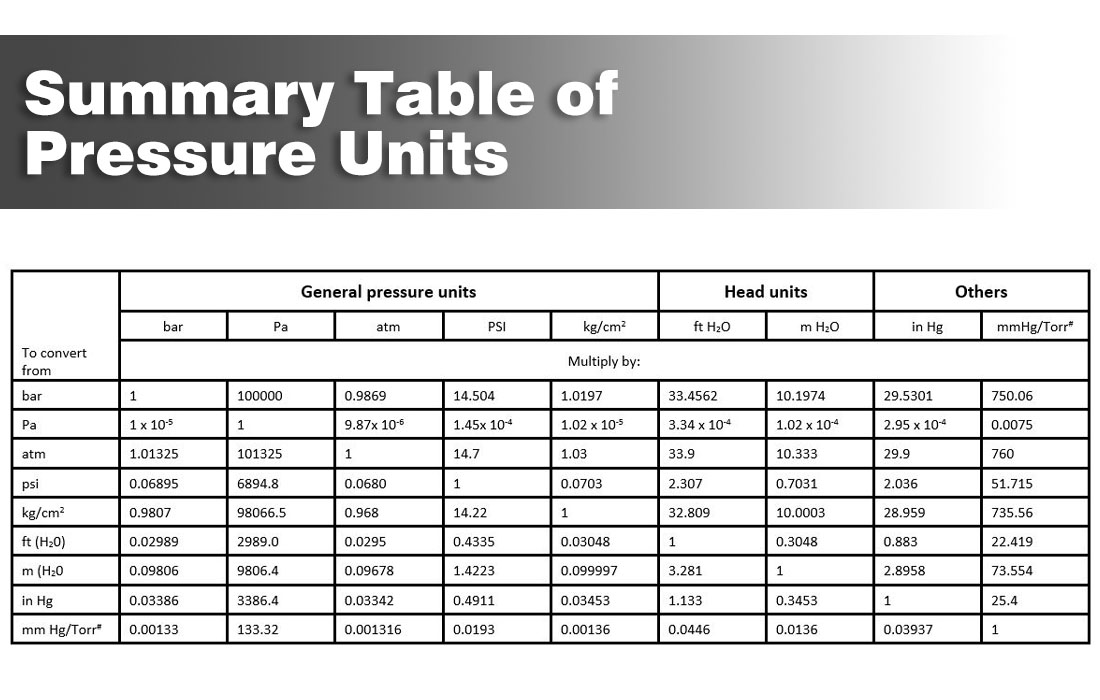
Values are rounded for practical reference. Use the exact conversion factor when accuracy is important.
When comparing pneumatic valves, cylinders, regulators, or filters, always identify the pressure unit and the type of pressure being specified.
For example, a component marked with a maximum operating pressure of 0.8 MPa has an equivalent rating of 8 bar or approximately 116 psi. This does not mean the system should automatically operate at 8 bar. The actual working pressure must remain within the manufacturer's permitted range and account for pressure fluctuations, temperature, and application requirements.
It is also important to distinguish gauge pressure from absolute pressure. Most industrial pressure gauges display gauge pressure (relative to local atmospheric pressure), while some technical calculations use absolute pressure. Mixing these two references can lead to significant errors.
Accurate pressure conversion is a basic but essential part of industrial engineering. By checking the unit, pressure reference, and manufacturer's rated limits before installation, engineers can compare components more reliably and avoid incorrect operating conditions.
(FK9025)
 How Viscous Fluid Influence Valve Flow Rate Calculation
 Can Pneumatic Valves Operate in Vacuum? Key Insights for Industrial Automation
 VND Series Valves for Steam Applications: High Temperature, Low Maintenance
 Common Pressure Unit Conversion Guide: bar, MPa, psi, and kgf
 Decoding Solenoid Valve Types: Key Differences of 4V, 3V, and 2V
You May Interest In


Dec 02, 2025 Blog
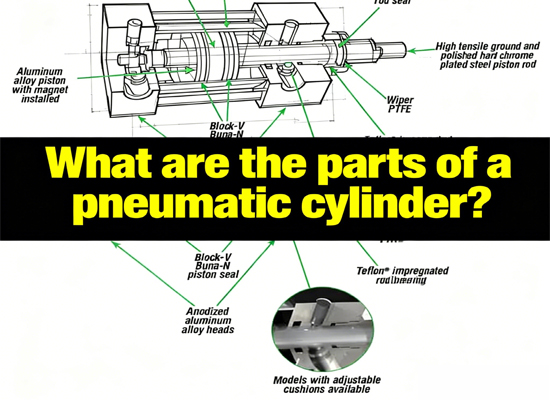
What are the parts of a pneumatic cylinder?





Apr 18, 2025 Blog
What is an Angle Seat Valve?
Get a free sample

Fokca is a brand of Ningbo Fokca Automation Co., Ltd.
Looking for custom pneumatic cylinder solutions? Visit our sister brand, Fescolo.→
© 2026 Ningbo Fokca Automation Co., Ltd. All rights reserved. Sitemap