Nov 25, 2026
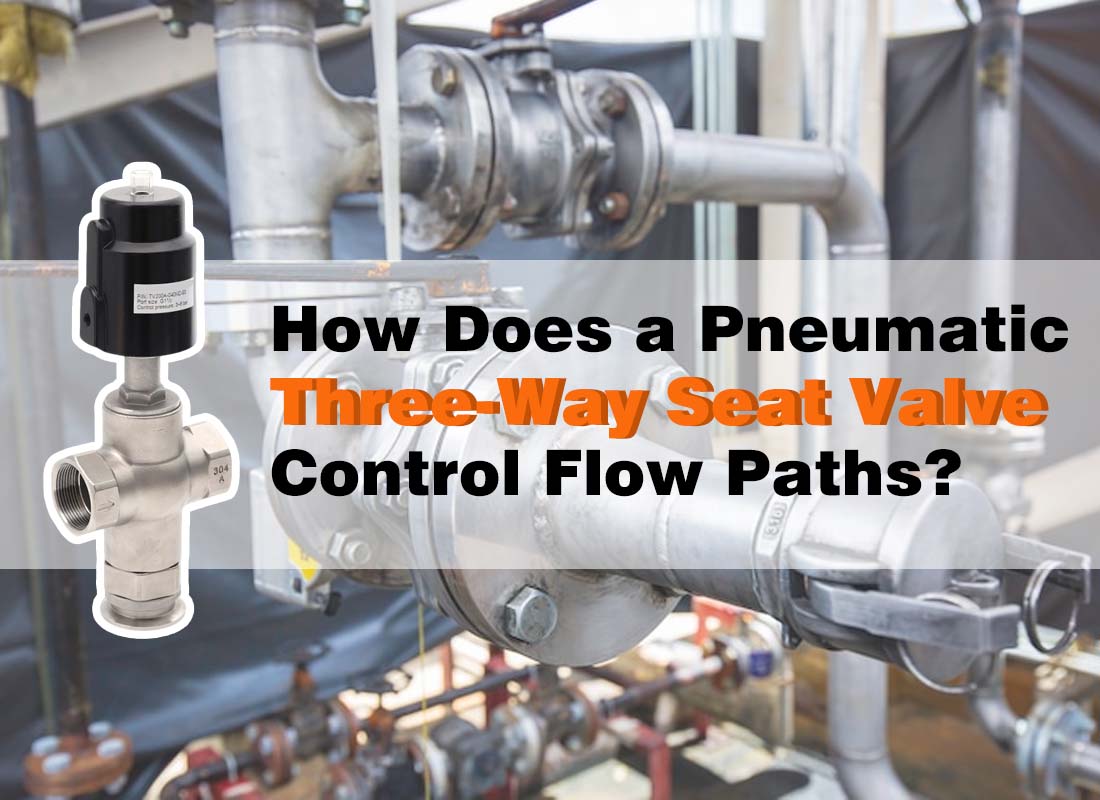
In automated fluid systems, controlling whether a pipeline is open or closed is not always enough. Some processes require fluid to move between different outlets, combine streams from separate inlets, or switch between production and cleaning circuits. A pneumatic three-way seat valve provides these functions through a three-port structure and an air-operated actuator.
The TV series is designed for applications where controlled flow-path switching helps simplify pipeline arrangements and improve process flexibility. Unlike a conventional two-way globe valve, it can manage connections between three ports according to its internal configuration.
A pneumatic three-way seat valve has three connection ports and an internal valve mechanism that determines which ports communicate in each operating position.
Compressed air supplies the force needed to move the actuator. This movement drives the valve stem and plug, changing the position of the sealing element relative to the valve seat. As the plug moves, one flow passage can open while another closes, depending on the valve design.
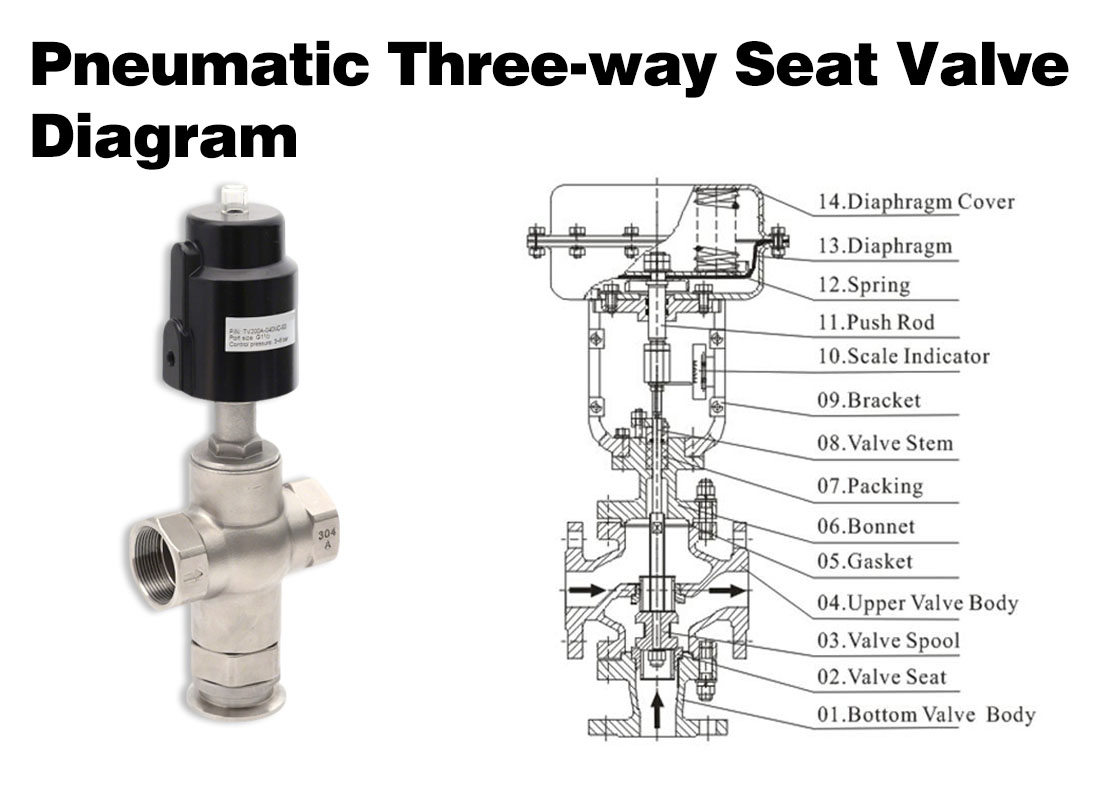
Three-way seat valves are generally used in two main configurations:
● Diverting: Fluid enters through one common port and is directed toward either of two outlets.
● Mixing: Fluid from two separate inlets is directed toward a common outlet.
The actual flow direction and port arrangement must be confirmed using the valve's technical diagram. Different three-way valve designs do not necessarily support both functions.
A standard two-way globe valve controls flow through a single inlet-to-outlet passage. It is suitable for shut-off and flow regulation, but it cannot independently select between two alternative flow paths.
A three-way seat valve adds another connection, allowing the system to switch fluid routes without installing a separate valve at every branch.
Typical functions include:
● Directing one medium to different processing lines
● Switching between production and cleaning circuits
● Selecting one of two fluid sources
● Combining compatible fluid streams in mixing configurations
This arrangement can reduce the number of individual valves and simplify piping. However, the actual number of components saved depends on the process layout and required isolation functions.
The TV series uses a pneumatic actuator to operate a linear-moving valve plug. Its seat-based sealing structure provides a defined contact surface for controlling the flow passage.
Key design characteristics include:
● Pneumatic switching: Compressed air enables automated operation through a control system, supporting repeatable changes between configured positions.
● Seat sealing: The plug and seat work together to shut off or redirect flow. Actual leakage performance depends on the sealing materials, pressure conditions, and valve specifications.
● Flexible flow arrangement: Three-port connections support different switching functions, helping equipment designers adapt the valve to specific process requirements.
● Service accessibility: The actuator and valve assembly can be inspected and maintained according to the manufacturer's instructions, reducing unnecessary intervention during routine servicing.
Both pneumatic three-way seat valves and pneumatic three-way ball valves can change fluid routes, but their internal structures and operating characteristics are different.
| Comparison | Three-Way Seat Valve | Three-Way Ball Valve |
| Operating mechanism | Linear plug movement | Rotary ball movement |
| Flow passage | Depends on seat and plug design | Often provides a relatively open passage |
| Main function | Defined flow-path switching | Flow routing and shut-off |
| Flow resistance | Depends on internal passage geometry | Often lower with a suitable full-bore design |
| Selection focus | Switching logic and sealing | Flow capacity and port configuration |
A three-way ball valve may be suitable when a relatively large flow passage and low pressure loss are important. A three-way seat valve can be considered when its switching arrangement and seat-sealing design match the process requirements.
Neither type is universally superior. Engineers should compare flow capacity, pressure rating, media compatibility, leakage requirements, and switching frequency before making a selection.
Pneumatic three-way seat valves are used in automated equipment where fluid routing needs to change during operation. Common applications include production-line process switching, cleaning-cycle changeover, fluid-source selection, and compact pipeline assemblies.
For example, a machine may use a three-way valve to switch a compatible fluid circuit between normal operation and a cleaning line. The control system sends a pneumatic command to move the actuator, changing the active flow path.
In some installations, one three-way valve can replace two separate two-way valves. This may reduce piping connections and installation space, provided the required isolation and safety functions are maintained.
Before installation, confirm the required diverting or mixing function, port arrangement, flow direction, working pressure, temperature, and medium compatibility. The actuator's control-air requirements and default position during air failure should also be checked.
A correctly configured pneumatic three-way seat valve allows automated systems to manage more than simple shut-off. By selecting the appropriate flow paths, engineers can build more adaptable fluid circuits while keeping the overall piping arrangement practical.
(FK9025)
 How Does a Shuttle Valve Work in Pneumatic Systems?
 Why Angle Seat Valves Can Be Maintenance-Free: The Role of V-Type Packing
 How Does a Pneumatic Three-Way Seat Valve Control Flow Paths?
 How Viscous Fluid Influence Valve Flow Rate Calculation
 Can Pneumatic Valves Operate in Vacuum? Key Insights for Industrial Automation
You May Interest In

Dec 02, 2025 Blog
What are the parts of a pneumatic cylinder?

Apr 18, 2025 Blog
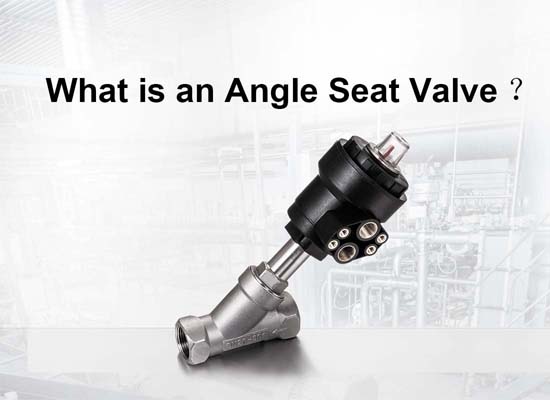
What is an Angle Seat Valve?
Get a free sample

Fokca is a brand of Ningbo Fokca Automation Co., Ltd.
Looking for custom pneumatic cylinder solutions? Visit our sister brand, Fescolo.→
© 2026 Ningbo Fokca Automation Co., Ltd. All rights reserved. Sitemap