Aug 22, 2025
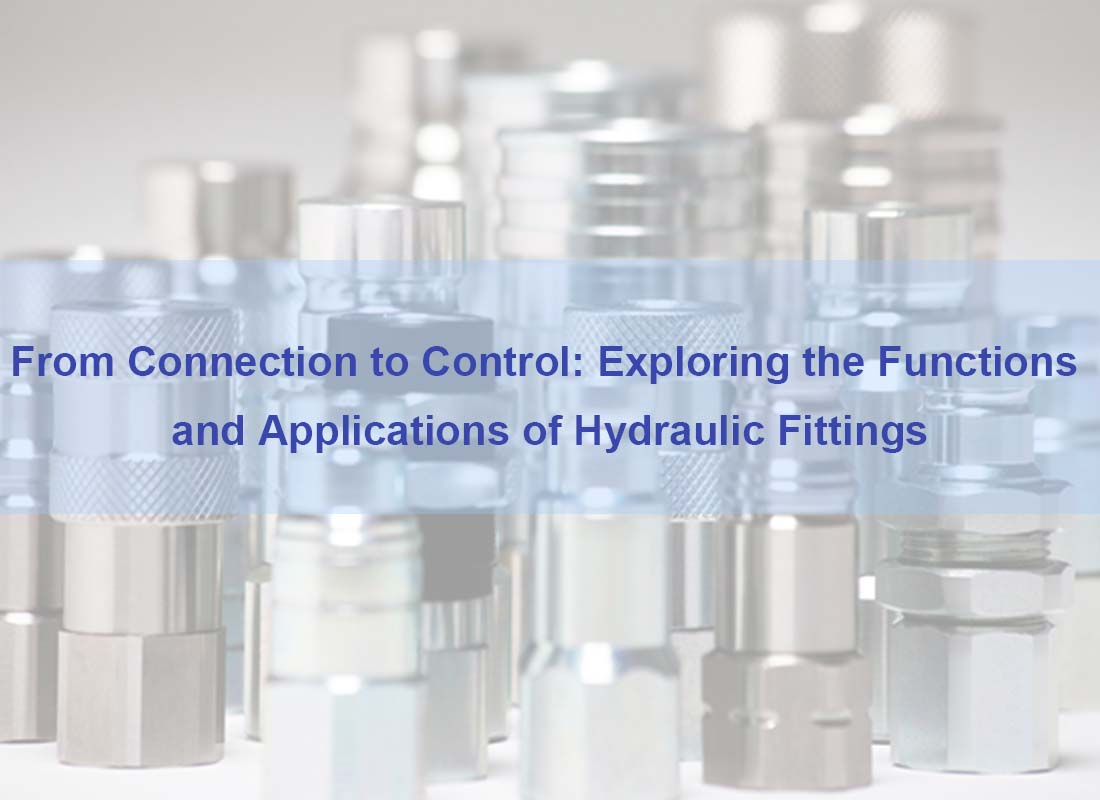
Hydraulic systems rely on reliable connections to maintain safety, performance, and efficiency. 1/2 Inch Hydraulic Hose Couplers are among the most widely used fittings for industrial and mobile machinery. These couplers are designed to provide quick, secure, and leak-free connections between hoses and hydraulic circuits, ensuring consistent fluid transfer under high pressure. Understanding their specifications, proper installation, and practical applications is essential for engineers, maintenance technicians, and system designers, especially when integrating them with complex automation lines or pneumatic components.
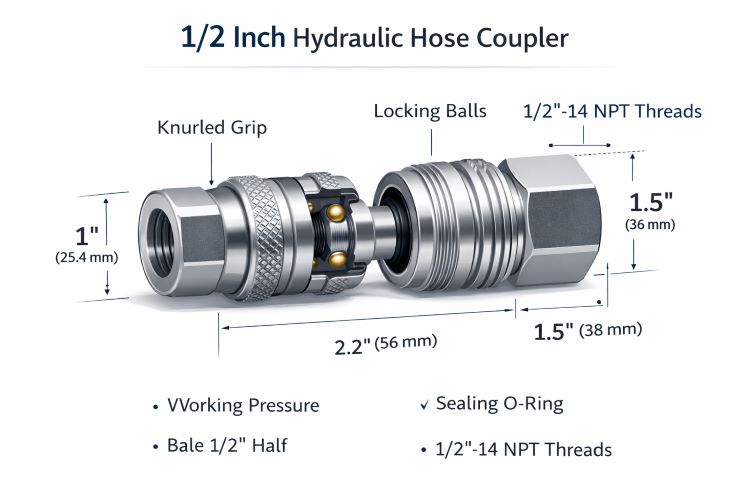
1/2 Inch Hydraulic Quick Couplings are available in a variety of materials, including stainless steel, brass, and carbon steel, to suit different hydraulic fluids and environmental conditions. Their design allows tool-free connection and disconnection, reducing downtime during maintenance. For OEMs and distributors, selecting couplers that meet international standards ensures compatibility across different machinery and regions.
The choice of coupler material directly impacts corrosion resistance, mechanical strength, and chemical compatibility. For example, stainless steel couplers are preferred in food processing or chemical plants, while carbon steel provides robust performance in heavy construction equipment. Proper selection not only prevents leaks but also reduces operational risks over long-term use.
Internal link: For related components, see [Hydraulic Quick Couplings](Hydraulic Quick Couplings).
When choosing 1/2 Inch Hydraulic Hose Couplers, engineers must consider several key parameters:
Working Pressure: Ensure the coupler rating exceeds system maximum pressure, typically up to 350 bar for heavy-duty industrial applications. Overrating helps prevent failures in systems subject to pressure spikes.
Temperature Range: Material and seal compatibility must match fluid temperature, ranging from -20°C to 120°C in standard operations, and up to 150°C in high-temperature hydraulics.
Seal Type: Nitrile, Viton, or PTFE seals affect durability, leakage resistance, and fluid compatibility. Selection must align with the hydraulic fluid type, such as mineral oil, synthetic fluids, or water-glycol solutions.
Thread Type: BSP, NPT, or metric threads must align with hose and adapter specifications. Standardization simplifies integration into global systems and prevents adapter stacking or mismatched connections.
Correct specification selection prevents failures and reduces maintenance costs, improving long-term reliability of integrated systems like hydraulic presses, mobile lifting equipment, or pneumatic automation lines.
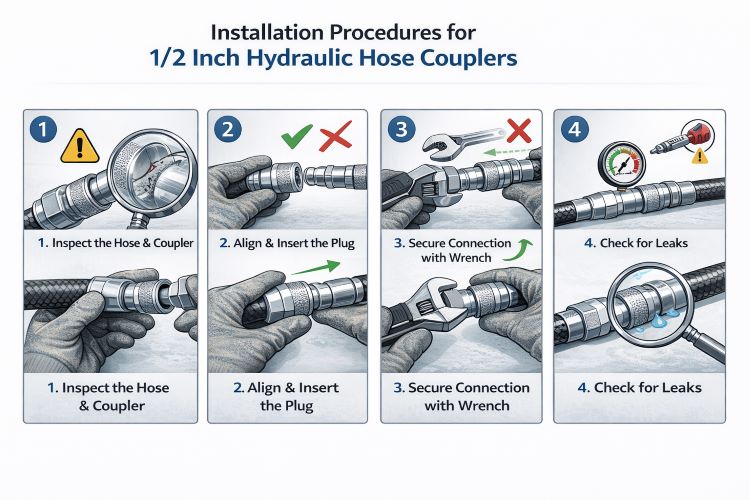
Proper installation of 1/2 Inch Hydraulic Hose Couplers ensures operational safety and efficiency. Key steps include:
Inspect coupler and hose for damage, cracks, or debris before assembly.
Align coupler and hose straight to avoid cross-threading, which can lead to leaks or joint failure.
Secure threaded connections with proper torque, following manufacturer specifications, to maintain pressure integrity.
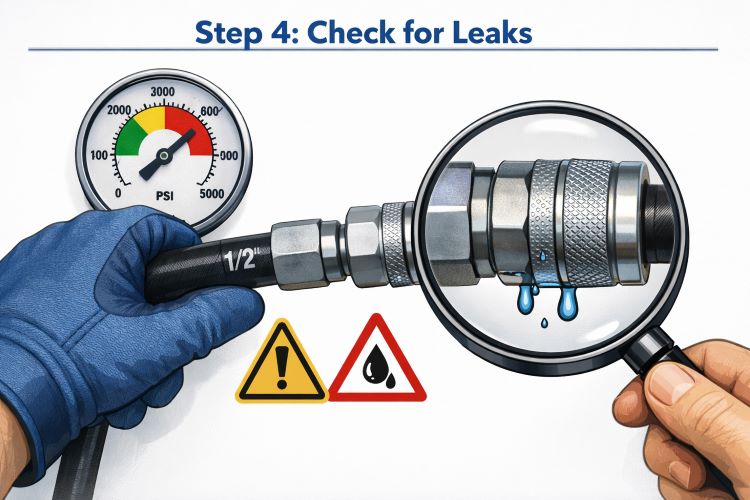
Verify seals are seated correctly to avoid leaks, especially in high-pressure or vibration-prone systems.
Perform pressure tests before full system operation, monitoring for abnormal fluid flow or leaks.
In systems with Air Hose and Tubings, following these procedures ensures compatibility and performance, preventing fluid loss and operational downtime. Additionally, using proper support brackets and hose routing reduces stress on couplers and prolongs service life.
Internal link: See [Air Hose and Tubings](Air Hose and Tubings) for compatible hose systems.
1/2 Inch Hydraulic Quick Couplings are versatile in both stationary and mobile applications:
Industrial Presses: Enable rapid line setup, minimize leakage, and support high-pressure fluid transfer.
Agricultural Equipment: Facilitate safe attachment and detachment of hydraulic implements, such as plows, loaders, and sprayers.
Mobile Hydraulic Tools: Support frequent connections and disconnections without fluid spillage, maintaining operator safety.
Pneumatic Automation Lines: Couplers are often paired with Pneumatic Push In Fittings, allowing integration of air-driven actuators and valves while maintaining system integrity and reducing downtime.
A real-world example from a European OEM showed that switching to standardized 1/2 Inch Hydraulic Quick Couplers reduced service time during line maintenance by 25%, highlighting their role in efficiency improvement.
Internal link: Related fittings can be found under [Pneumatic Push In Fittings](Pneumatic Push In Fittings).
Regular inspection of 1/2 Inch Hydraulic Hose Couplers is critical to avoid system failure:
Check for wear, corrosion, and seal degradation, especially in environments exposed to moisture, dust, or corrosive chemicals.
Ensure quick coupling functionality is smooth and free of debris. Any binding can indicate internal contamination or misalignment.
Replace damaged or aged couplers immediately to avoid leaks and system pressure drops, protecting both equipment and operators.
Lubricate moving parts lightly if recommended by the manufacturer, but avoid contaminating hydraulic fluid.
Proactive maintenance improves system uptime, reduces repair costs, and prolongs the lifespan of connected hydraulic and pneumatic equipment, including cylinders, valves, and actuators.
(FK9027)
You May Interest In

Get a free sample

Fokca is a brand of Ningbo Fokca Automation Co., Ltd.
Looking for custom pneumatic cylinder solutions? Visit our sister brand, Fescolo.→
© 2026 Ningbo Fokca Automation Co., Ltd. All rights reserved. Sitemap