Nov 17, 2025
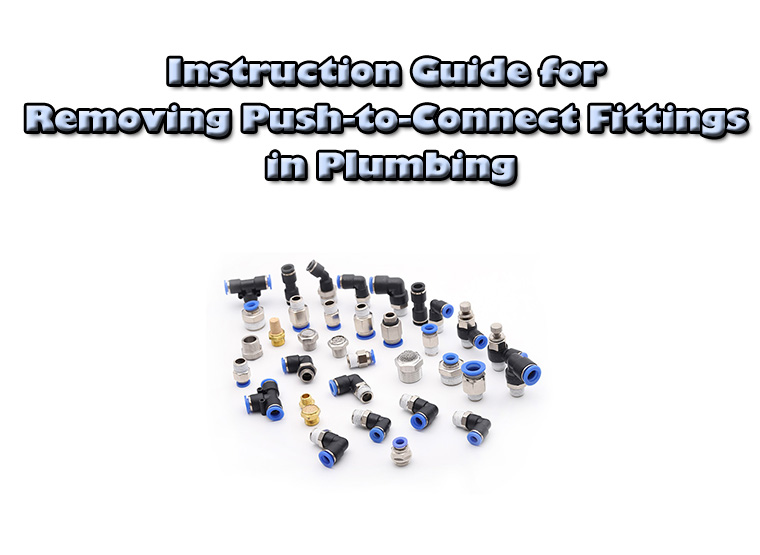
In modern pneumatic and plumbing systems, push-to-connect fittings have become a standard due to their convenience, reliability, and speed of installation. However, when maintenance, replacement, or system modification is required, safely and efficiently removing push-to-connect fittings is critical to prevent damage to pipes, hoses, or equipment. This guide explores practical techniques and industry insights tailored for engineers, technicians, and industrial maintenance personnel.
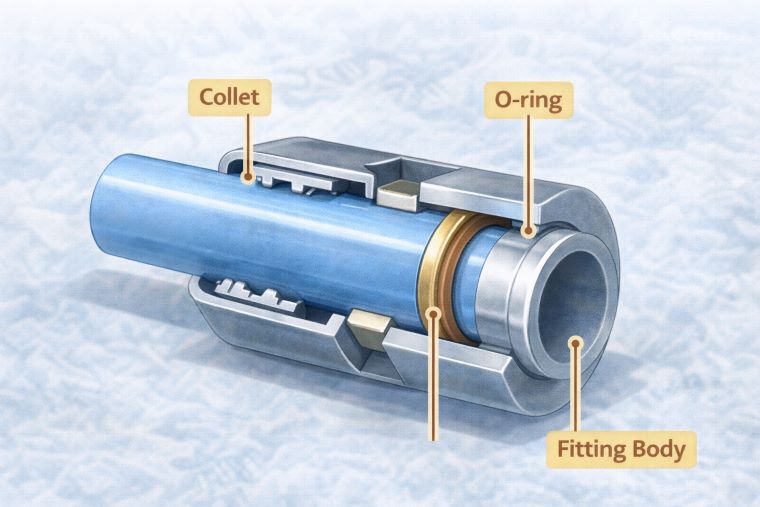
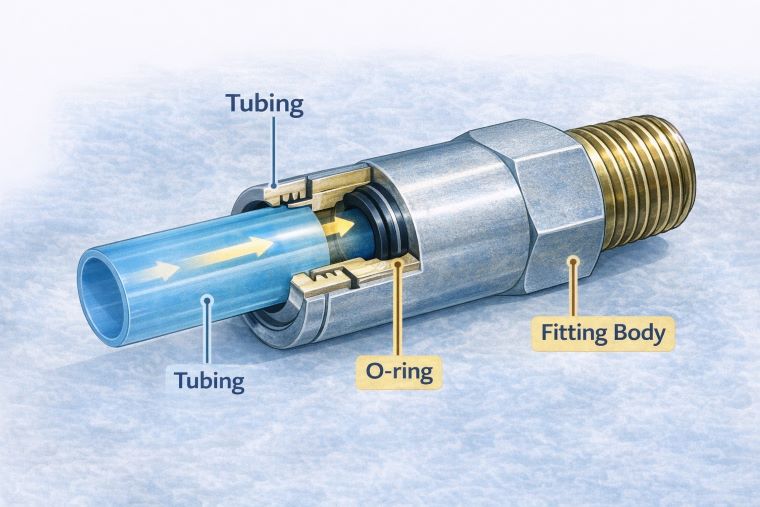
A push-to-connect fitting consists of a body, collet (grip ring), and internal O-ring, allowing tubing to be quickly inserted without additional tools. The O-ring seals the connection, while the collet locks the tubing in place. Misalignment, over-insertion, or excessive bending can compromise the seal or make removal challenging.
Familiarity with the internal structure ensures maintenance staff can remove fittings without damaging the tube or introducing leaks. Materials commonly used include polyurethane, polyethylene, or nylon tubing, paired with brass, stainless steel, or engineering plastic bodies, depending on pressure and environmental requirements.
Before attempting to remove a fitting, certain preparatory steps are crucial:
Depressurize the system: Always ensure the line is completely depressurized. Residual pressure can cause sudden ejection of tubing, posing safety risks.
Identify fitting type and size: Check if the fitting is straight, elbow, or tee, and confirm the tubing outer diameter. This prevents unnecessary strain during removal.
Protect surrounding components: Place rags or protective covers around sensitive valves or pneumatic components to catch potential spills or scratches.
Proper preparation reduces the risk of operational downtime and avoids costly damage to connected air hoses and tubings.
Depress the collet: Use your thumb or a standard removal tool to press the collet evenly around the tubing. For industrial installations, a push-to-connect fitting removal tool may be recommended to prevent collet distortion.
Pull out the tubing: While maintaining pressure on the collet, gently pull the tubing straight out. Avoid twisting, bending, or jerking, as this can damage both tubing and O-ring.
Inspect the fitting and tubing: After removal, check for wear marks, scratches, or cracks on the tube. Inspect the fitting’s collet and O-ring; damaged seals should be replaced before reinstallation.
Clean the area: Debris or residue can reduce sealing performance during reassembly. Use lint-free cloths or compressed air to ensure cleanliness.
For complex or multi-line setups, this method prevents interference with other pipe fittings and connectors, maintaining system integrity.
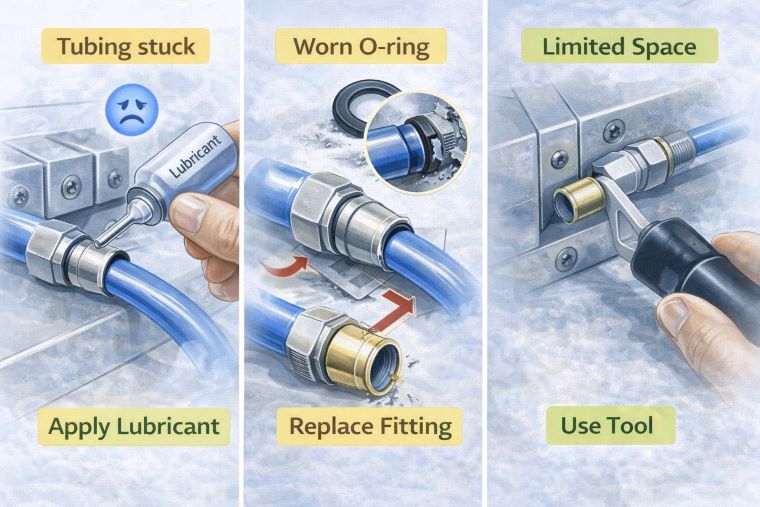
Tubing stuck in the fitting: Repeated use or exposure to high temperatures can make removal difficult. Applying a small amount of lubricant approved for pneumatic or potable water systems around the collet can ease the process.
Damaged O-ring or collet: If the tubing resists removal or the O-ring is visibly worn, replace the fitting entirely. Attempting to reuse a compromised fitting increases the risk of leaks.
Tight installation in confined spaces: Use specialized angled removal tools or disconnect nearby components to create enough working space without stressing the tubing.
Maintenance personnel must adhere to safety standards:
Wear protective gloves and eye protection, especially for pressurized systems.
Ensure that nearby valves are closed and the system is isolated.
Never attempt to remove fittings under live pressure.
Following these practices protects both the worker and the system, ensuring long-term reliability of pneumatic and plumbing systems.
Replace damaged components immediately: Reuse only fittings and tubing in perfect condition.
Keep spare fittings and collets accessible: Industrial facilities often benefit from dedicated kits for quick maintenance.
Document removal procedures: Maintaining a record of which fittings were removed and replaced can prevent future mistakes and aid troubleshooting.
Push-to-connect fittings are widely used in:
Compressed air systems, including connections to air cylinders, actuators, and solenoid valves
Water distribution in industrial automation devices
Quick assembly of modular systems requiring frequent maintenance
Knowing how to remove fittings efficiently minimizes downtime and ensures system longevity, especially in automated or high-throughput environments.
(FK9027)
You May Interest In

Dec 02, 2025 Blog
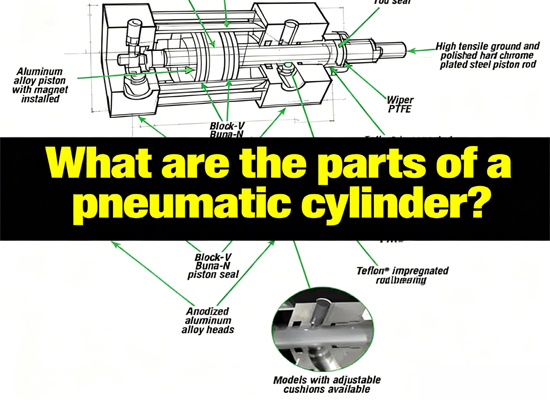
What are the parts of a pneumatic cylinder?

Apr 18, 2025 Blog
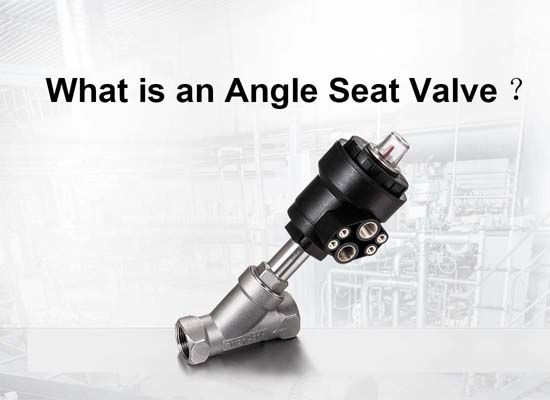
What is an Angle Seat Valve?
Get a free sample

Fokca is a brand of Ningbo Fokca Automation Co., Ltd.
Looking for custom pneumatic cylinder solutions? Visit our sister brand, Fescolo.→
© 2026 Ningbo Fokca Automation Co., Ltd. All rights reserved. Sitemap