Sep 30, 2025
In industrial recycling and waste volume reduction systems, a pneumatic automatic can crusher machine is a practical solution for compressing aluminum and steel cans with consistent force and minimal manual intervention. Compared with electric or hydraulic crushers, pneumatic designs are widely used in small to medium automation setups due to their simple structure, fast response, and easy integration into existing compressed air systems.
This type of machine is typically installed in recycling lines, food and beverage processing facilities, or auxiliary waste handling stations where compressed air is already available.
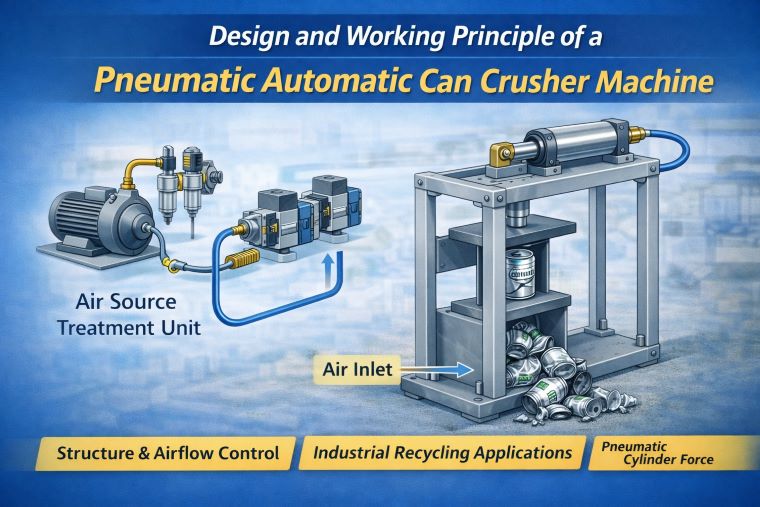
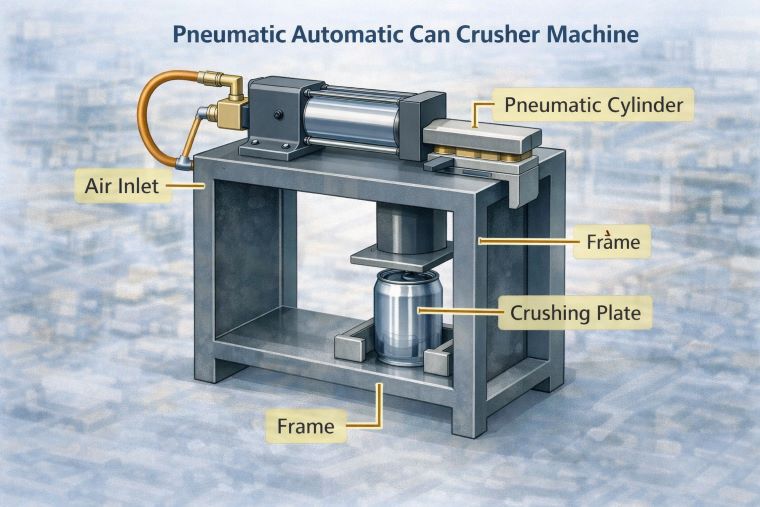
The overall design of a pneumatic automatic can crusher machine follows a straightforward linear force transmission concept. Instead of relying on complex gear trains or motor-driven mechanisms, the crushing force is generated directly by compressed air acting on a linear actuator.
The main structural elements include:
A rigid machine frame to withstand repetitive impact and compressive loads
A pneumatic cylinder that provides the primary crushing force
A crushing plate or jaw connected to the cylinder rod
A can positioning guide or chamber to ensure stable alignment
An air control system consisting of valves, fittings, and air preparation components
The simplicity of this structure improves reliability and reduces maintenance requirements, which is particularly important in industrial environments with dust, vibration, or moisture.
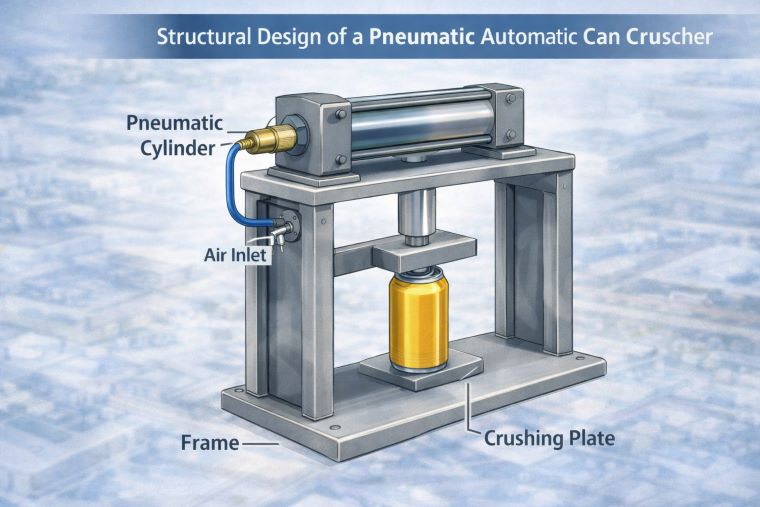
The working principle of a pneumatic automatic can crusher machine is based on controlled linear motion generated by compressed air.
When the system receives a start signal—either manual or automated—compressed air is supplied to the forward chamber of the pneumatic cylinder. The piston rod extends, driving the crushing plate toward the can. As the plate advances, the can is compressed against a fixed surface until it reaches the designed deformation limit.
Once the crushing stroke is completed, airflow is redirected through the control valve, allowing air to exhaust from the forward chamber while pressure is applied to the return side of the cylinder. The piston retracts, and the crushed can drops into a collection bin or conveyor.
This extend–retract cycle can be repeated automatically as long as air supply and control signals are maintained.
The pneumatic cylinder is the core force-generating component of the machine. Its bore size, stroke length, and operating pressure directly determine the crushing capability.
Larger bore cylinders generate higher force at the same pressure, while stroke length defines the maximum can size the machine can handle. In most industrial designs, double-acting cylinders are used to ensure stable extension and controlled retraction.
Cylinder selection must consider not only crushing force but also cycle frequency, air consumption, and long-term durability under repetitive load conditions.
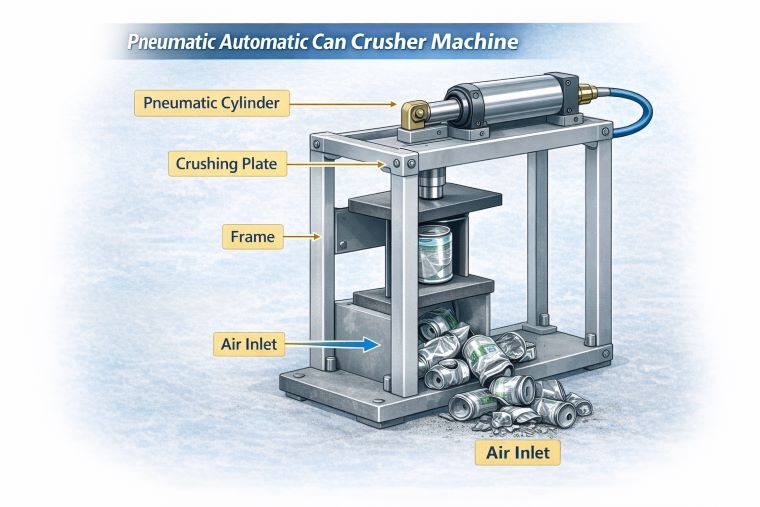
Stable performance of a pneumatic can crusher depends heavily on air supply quality. Compressed air is typically processed through an air source treatment unit to remove moisture and contaminants before entering the system.
Directional control is handled by pneumatic solenoid valves or mechanical valves, which determine the timing of extension and retraction strokes. Flow control valves may also be installed to regulate cylinder speed, preventing excessive impact forces that could damage the machine or reduce service life.
Because airflow directly affects cycle speed and force delivery, proper valve sizing and tubing layout are critical during system design.
In automatic configurations, sensors can be added to detect can presence or piston position. This allows the system to operate only when a can is correctly placed, reducing the risk of dry cycling or mechanical shock.
Safety features may include pressure relief valves, protective guards, and emergency shut-off controls. Although pneumatic systems are inherently safer than high-voltage electric drives, uncontrolled air pressure or improper mounting can still lead to equipment damage.
From an engineering perspective, the pneumatic automatic can crusher machine offers several practical advantages:
Simple mechanical structure with few moving parts
Fast response and high repeatability
Easy integration into existing compressed air systems
Good tolerance to dust, humidity, and vibration
Lower maintenance requirements compared to motor-driven systems
These characteristics make pneumatic crushers especially suitable for decentralized recycling stations and auxiliary industrial processes.
Pneumatic can crusher machines are commonly used in:
Beverage production facilities
Food processing plants
Packaging and logistics centers
Recycling stations and waste sorting lines
Industrial workshops handling aluminum containers
In many systems, the crusher functions as a supporting automation device rather than a standalone production machine, improving overall workflow efficiency.
Despite their advantages, pneumatic can crushers are limited by available air pressure and airflow capacity. In facilities with unstable air supply, performance may fluctuate.
For higher force requirements or continuous heavy-duty operation, hydraulic systems may be more suitable. However, for most light to medium industrial recycling tasks, pneumatic designs provide an optimal balance between simplicity and performance.
(FK9027)
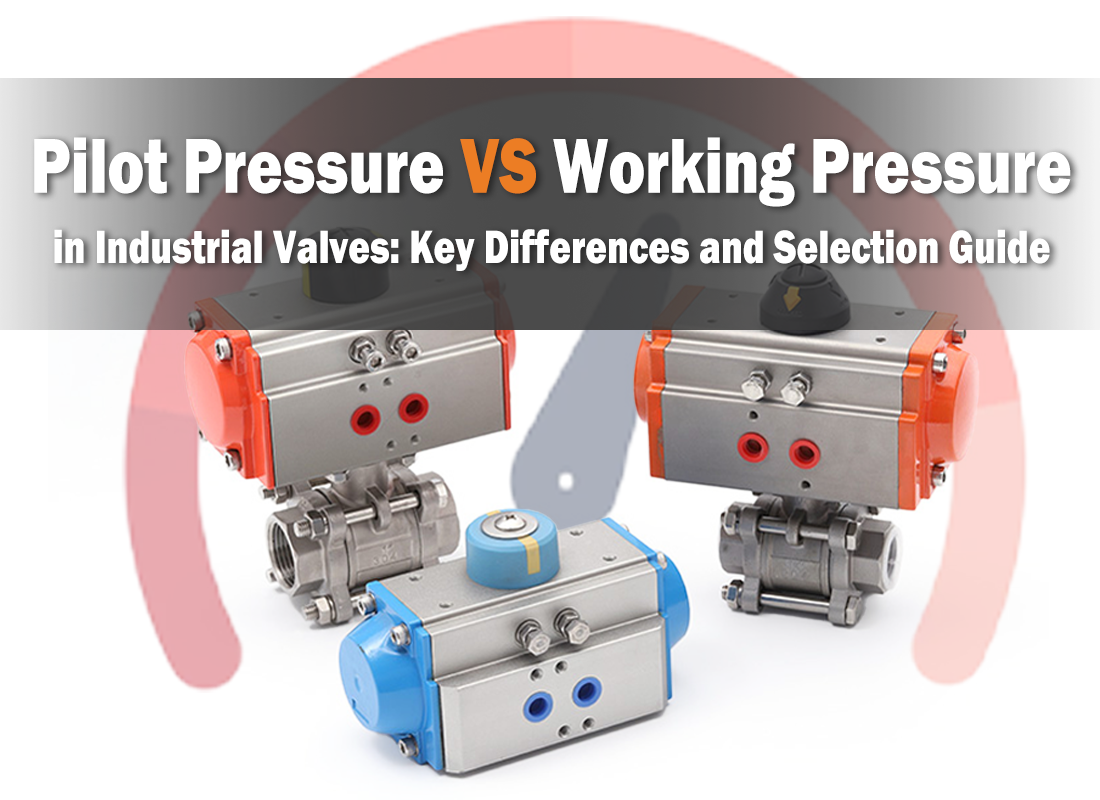 Pilot Pressure vs Working Pressure in Industrial Valves: Key Differences and Selection Guide
 Water Hammer Explained: Why Angle Seat Valves Are the Optimal Solution
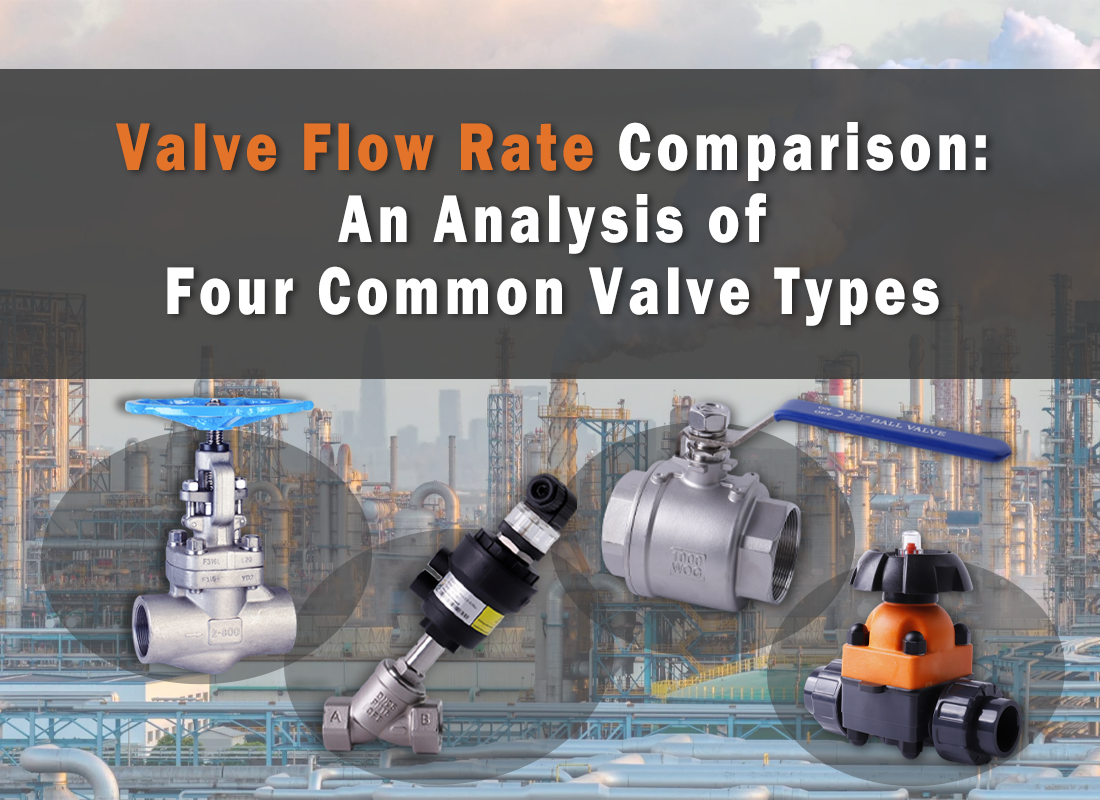 Valve Flow Rate Comparison: An Analysis of Four Common Valve Types
 The Temperature Limit of Valves: How Seal Material Affects Valve Body Performance
 Valve Flow Coefficients CV & KV: Differences Analysis and Selection Guide
You May Interest In
Apr 18, 2025 Blog
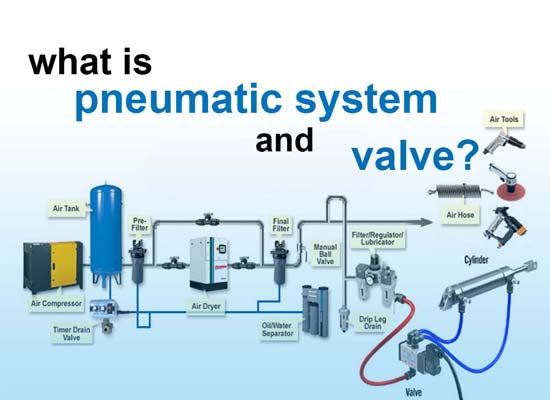
What Is Pneumatic System And Valve?
Sep 22, 2025 Blog
What are pneumatic automation products?


May 06, 2025 Blog
A Complete Guide to Pneumatic Components
Get a free sample

Fokca is a brand of Ningbo Fokca Automation Co., Ltd.
Looking for custom pneumatic cylinder solutions? Visit our sister brand, Fescolo.→
© 2026 Ningbo Fokca Automation Co., Ltd. All rights reserved. Sitemap