Dec 23, 2025
In pneumatic systems, compressed air is the primary power source used to drive cylinders, valves, and air tools. However, compressed air generated by air compressors often contains contaminants such as moisture, oil mist, dust, and unstable pressure. If this untreated air is supplied directly to pneumatic components, it can cause wear, corrosion, malfunction, and reduced service life.
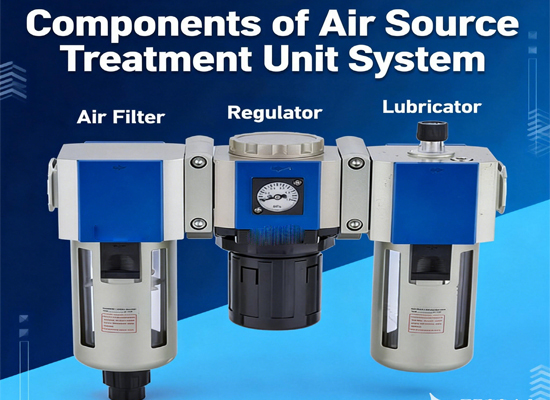
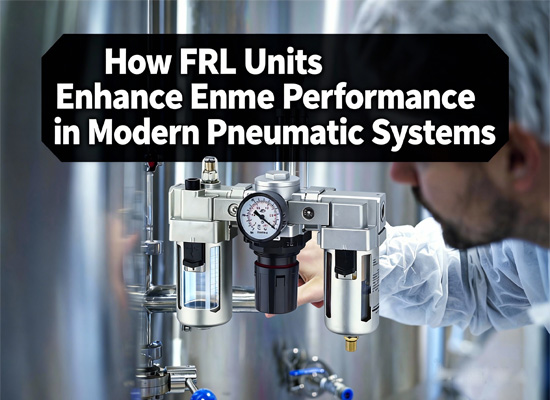
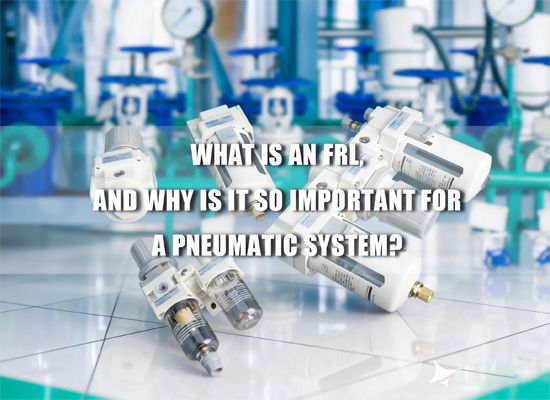
An air preparation unit system plays a critical role in ensuring clean, stable, and properly conditioned air is delivered to pneumatic equipment. This compressor air system include air filter,regulator,lubricator.Understanding how an air preparation unit works helps improve system reliability, efficiency, and long-term performance.
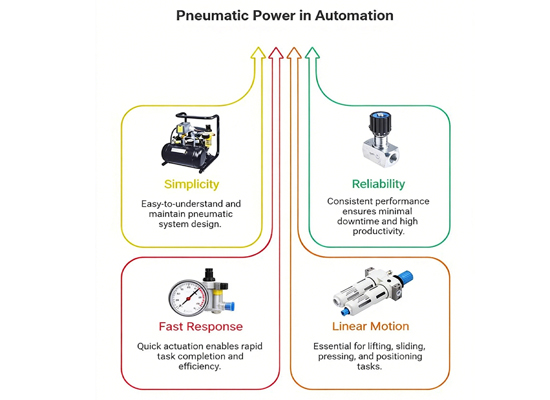
An air preparation unit is a device installed between the air compressor and pneumatic equipment to condition compressed air before it enters the system. Its main purpose is to remove contaminants, regulate air pressure, and, when required, provide lubrication.
Air preparation units are widely used in industrial automation, manufacturing lines, packaging machinery, and pneumatic control systems. They act as a protective interface between the air supply and sensitive pneumatic components such as cylinders, solenoid valves, and actuators.
The air filter removes solid particles, water droplets, and oil contaminants from compressed air. It prevents debris and moisture from entering pneumatic components, reducing wear and preventing corrosion or valve sticking.
The pressure regulator maintains a stable and consistent output pressure regardless of fluctuations in upstream air pressure. This ensures precise control and consistent operation of pneumatic devices.
The lubricator adds a controlled amount of oil mist into the air stream when lubrication is required. It reduces friction between moving parts, improving efficiency and extending component life.
Additional components may include pressure gauges for monitoring, manual or automatic drain valves, air dryers, shut-off valves, and soft-start valves, depending on system requirements.
First, compressed air from the compressor enters the air preparation unit.
Next, the air passes through the filter, where contaminants such as dust, water, and oil droplets are separated and collected.
Then, the cleaned air flows into the pressure regulator, which adjusts and stabilizes the air pressure to the required level.
If lubrication is necessary, the air passes through the lubricator, where a fine oil mist is mixed into the airflow.
Finally, clean, regulated, and conditioned air is supplied to the pneumatic system for reliable operation.
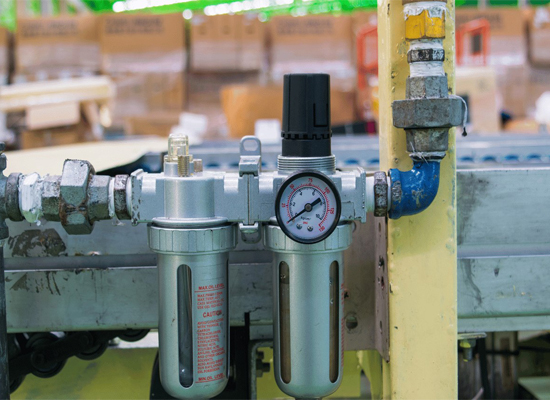
Air Filters protect downstream components by preventing contamination-related damage.
Pressure regulators improve system accuracy by ensuring consistent force output from cylinders and stable valve operation.
Lubricators reduce mechanical friction and wear, especially in high-speed or high-cycle applications.
Together, these components significantly enhance system reliability, efficiency, and service life.
Fokca Automation is a professional manufacturer of pneumatic air preparation systems. We not only supply individual units, but also offer integrated FRL (filter, regulator, lubricator) assemblies compatible with brands such as Airtac, SMC, and Festo. In addition, we provide a wide range of other pneumatic products, including pneumatic cylinders, solenoid valves, pneumatic tubing, and fittings. If you would like to learn more, please feel free to contact us directly.
(FK9016)
 Pilot Pressure vs Working Pressure in Industrial Valves: Key Differences and Selection Guide
 Water Hammer Explained: Why Angle Seat Valves Are the Optimal Solution
 Valve Flow Rate Comparison: An Analysis of Four Common Valve Types
 The Temperature Limit of Valves: How Seal Material Affects Valve Body Performance
 Valve Flow Coefficients CV & KV: Differences Analysis and Selection Guide
You May Interest In
Get a free sample

Fokca is a brand of Ningbo Fokca Automation Co., Ltd.
Looking for custom pneumatic cylinder solutions? Visit our sister brand, Fescolo.→
© 2026 Ningbo Fokca Automation Co., Ltd. All rights reserved. Sitemap