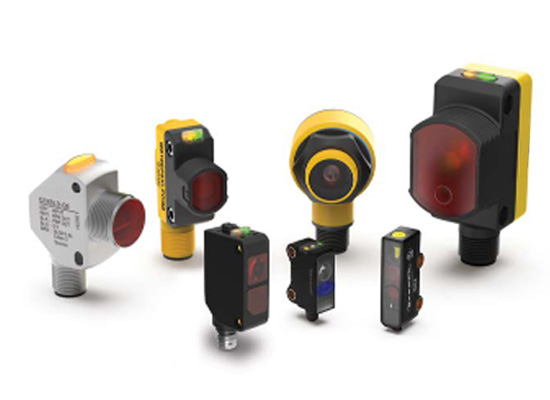
A photoelectric sensor detects objects by emitting a light beam and measuring its changes. It offers non-contact operation, fast response, long sensing distance, and works on any material. It is widely used for object detection, positioning, counting, and packaging line control.
Fokca offers diffuse and retro-reflective types. Diffuse reflective relies on object surface reflection, easy to install, ideal for short-range detection. Retro-reflective works with a reflector, offers long range (up to 20m), strong ambient light immunity, ideal for conveyors and passage monitoring.
A photoelectric sensor is a non-contact sensor that detects the presence or position of an object by emitting a beam of light and measuring changes in that beam. It consists of a light emitter (typically an LED or laser) and a receiver. When the target object blocks or reflects the light beam, the amount of light received changes, and the sensor outputs an electrical signal to the control system.
Photoelectric sensors are among the most widely used detection components in industrial automation. They offer advantages such as non-contact operation, fast response, long sensing distance, and immunity to the material of the target object. They are widely used for object presence detection, positioning, counting, and packaging line control.
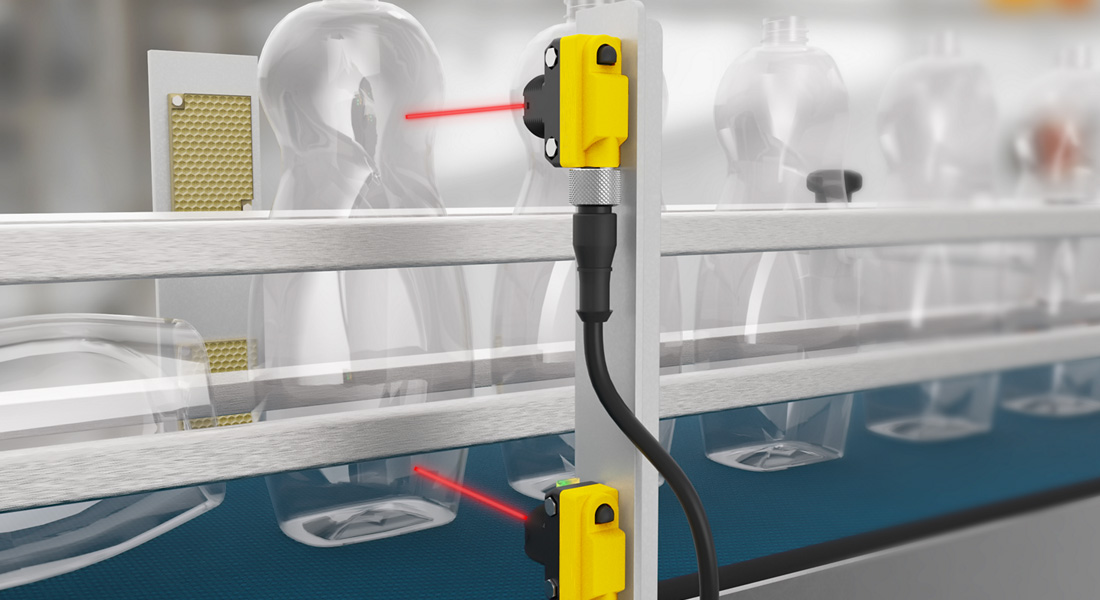
Unlike proximity sensors (which only detect metal), photoelectric sensors can detect objects of any material – plastic, glass, metal, wood, liquid, paper, etc. – making them the most versatile non-contact detection solution available.
Two Main Types for Different Needs – The diffuse reflective type relies on light reflected from the object's surface. It is easy to install and suitable for short-distance detection. The retro-reflective type works with a reflector, offering a long sensing distance (up to 20m) and strong ambient light immunity, making it ideal for conveyor belt detection and passage monitoring. Some models feature background suppression, which ignores background objects and only detects targets within a set distance.
Multiple Output Options for Broad Control System Compatibility – Available in NPN and PNP outputs, with Light On and Dark On modes selectable. Operating voltage is DC 10-30V, compatible with various PLC input modules. Response speed is extremely fast (millisecond level), suitable for high-speed counting and detection applications.
Stable and Reliable for Harsh Environments – IP67 protection rating makes them dustproof and waterproof, suitable for damp, dusty industrial environments. LED indicators facilitate on-site adjustment. Operating temperature ranges from -25°C to 70°C, with stable sensing distance and high repeat accuracy. Some models feature mutual interference prevention, ensuring stable operation when multiple sensors are mounted side by side.
Quality Assurance – Every batch undergoes rigorous testing to ensure stable and reliable sensing distance, response time, repeat accuracy, and other performance parameters.
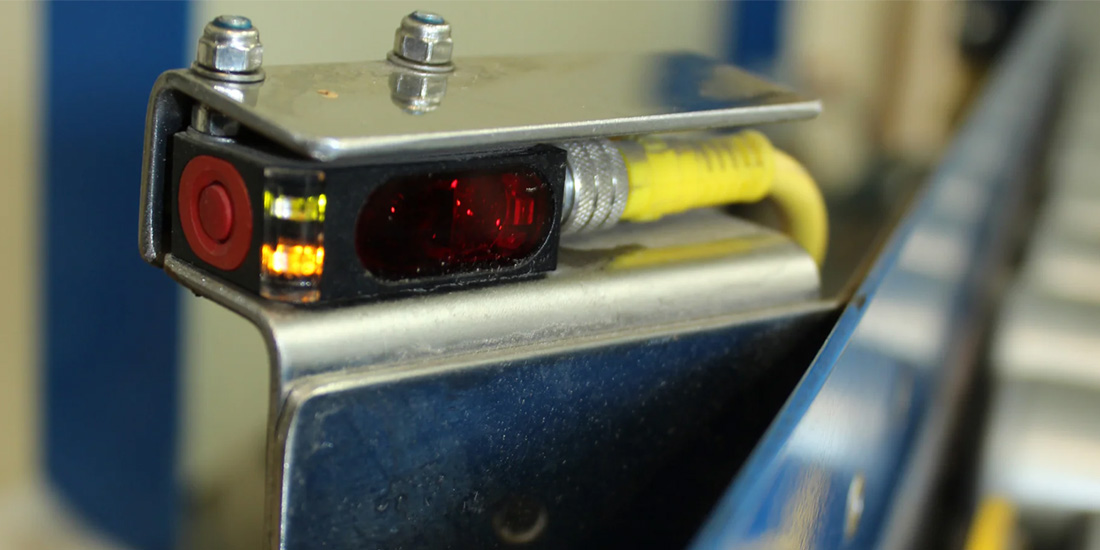
Verify sensing distance before installation, leaving a margin (recommended 70-80% of rated distance). For diffuse reflective types, conduct actual testing based on the target object's color and surface material, as sensing distance for black objects is significantly reduced.
Ensure the optical axis is properly aligned with the target object or reflector. Excessive angular deviation reduces received light intensity, causing unstable detection. For diffuse reflective sensors, keep the sensor perpendicular to the target surface.
Retro-reflective sensors must use a dedicated reflector. Standard white paper or metal plates have low reflectivity and will drastically reduce sensing distance. Keep the reflector surface clean and regularly remove dust.
Strong ambient light (sunlight, high-frequency lighting) may interfere with sensor operation. Use models with polarized filters or add light shields when necessary.
When multiple photoelectric sensors are mounted close together, emitted light may cause mutual interference. For through-beam types, cross-mount emitters and receivers. For retro-reflective types, choose models with anti-interference coding.
Verify wiring – Confirm that the power supply voltage matches the sensor's rated voltage, paying attention to polarity (brown/positive, blue/negative). When connecting the output to a PLC input, ensure the NPN/PNP type matches. Never short-circuit the output directly to the power supply positive or negative terminals.
Regular cleaning – Keep optical windows clean using a soft cloth to avoid scratching. Accumulated dust and oil will reduce sensing distance and may cause complete failure.
Q1: What is the difference between diffuse reflective and retro-reflective photoelectric sensors?
A1: Diffuse reflective sensors rely on light reflected from the object's surface, with emitter and receiver in one housing. They are easy to install, but sensing distance is affected by object color (white objects = longer distance, black objects = shorter). Retro-reflective sensors work with a dedicated reflector, offering longer sensing distance (up to 20m) with minimal influence from object color, but require a reflector. Choose based on your specific application requirements.
Q2: Can photoelectric sensors detect transparent objects?
A2: Standard photoelectric sensors may not reliably detect transparent objects such as glass bottles or film, as light passes through them. For these applications, use polarized retro-reflective or through-beam sensors, and adjust mounting position and sensitivity for transparent objects.
Q3: What factors affect sensing distance?
A3: For diffuse reflective sensors – target object color, surface material, and surface roughness (white objects give the longest distance, black objects the shortest). For retro-reflective sensors – reflector cleanliness and optical axis alignment. For through-beam sensors – ambient dust and fog. Leave a 20-30% margin when selecting sensors.
Q4: How can mutual interference be avoided when multiple photoelectric sensors are mounted side by side?
A4: For through-beam sensors, cross-mount emitters and receivers (alternating positions). For retro-reflective sensors, choose models with anti-interference coding. For diffuse reflective sensors, maintain adequate spacing or select models with anti-interference features.

Get a free sample

Links: www.fescolo.com(Pneumatic)
FOKCA ©1998-2025 All Rights Reserved Sitemap